Franklin J. Schaffner
Details

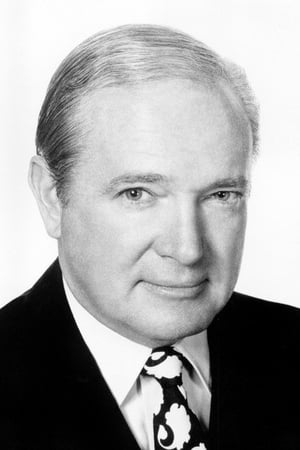
Born in Tokyo, Franklin J. Schaffner is remembered as one of the most powerful directors in the history of American cinema and television. Born in Japan in 1920, Schaffner first shaped his career in the first golden age of television and then gained worldwide recognition with his unique vision for cinema. In the early periods of his career, he became a part of the leading productions of American television. The experience he gained in prestigious television productions of that period, such as Studio One and Playhouse 90, matured his visual expression language. The legal drama The Defenders revealed how versatile Schaffner's directorial approach is; This production, bearing the traces of a human-oriented narrator sensitive to social issues, occupied a special place among the television productions of the period. With his transition to the world of cinema, Schaffner began to produce his own films with big budgets and philosophical depth. 1968's Planet of the Apes made his name known on a global scale. This science fiction masterpiece, starring Charlton Heston, left its mark on its time not only visually but also thematically; It has become a cultural symbol with its allegorical structure based on freedom, identity and the fragility of civilization. The pinnacle of Schaffner's career was undoubtedly the 1970 film Patton. This epic production, about General George S. Patton, the controversial commander of the Second World War, went down in cinema history with the extraordinary performance of George C. Scott. Schaffner won the Best Director Oscar at the 43rd Academy Awards with this film. The opening scene of the film still remains among the most iconic scenes in cinema history. After Patton, Schaffner directed Butterfly in 1973, in which he again teamed up with Charlton Heston. Adapted from a true story, this production reflected the struggle to escape from French prisons on the screen with dramatic mastery and attracted the attention of large audiences. When Franklin J. Schaffner passed away in 1989, he left behind a rich legacy that shaped both the television and cinema worlds. His passion for grand narratives, his perspective centered on the human spirit, and his meticulousness in visual expression made him one of the most respected American directors of the twentieth century.
Media

Movies Appeared In

Movies Written/Directed



TV Shows Appeared In

TV Shows Written/Directed