Adam Faberman
Details
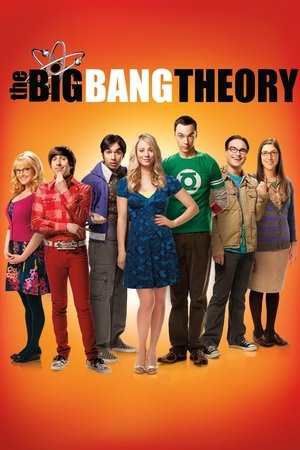
Adam Faberman, one of the writers who work behind the scenes of long-running and popular productions in the American television world, has built his career primarily on being a TV series screenwriter. Faberman, who has worked especially in comedy productions that reach large audiences, has largely based his journey in the industry on teamwork and a deep understanding of the characters. Faberman's name is mentioned with The Big Bang Theory, one of the productions that went down in television history. This legendary CBS series, created by Chuck Lorre and Bill Prady, started broadcasting in 2007 and did not leave the screens for twelve seasons. During this process, Faberman took part in the writing staff of the series and became one of the names responsible for preserving both the voices of the characters and the unique sense of humor of the series. The moment when Faberman's name came to the fore was in the final episode of The Big Bang Theory, "The Stockholm Syndrome". This episode, which aired on CBS in May 2019, was about Sheldon and Amy receiving the Nobel Prize in Physics and Penny announcing her pregnancy. This historic finale, watched by approximately 24.75 million viewers in America, was prepared by a large team of writers, including Chuck Lorre, Bill Prady and Steve Holland; Adam Faberman also contributed to the creation process of the last episode as part of this cast. This finale, the 279th episode of the series, received positive reactions from viewers and critics as it was found to be both emotionally and narratively strong. Faberman, who has been part of major production teams throughout his writing career, stands out as a name that has adopted the collective creativity approach required by television screenwriting. Participating in the writing process of a series such as The Big Bang Theory, which has been on air for more than ten years and turned into a cultural phenomenon, requires serious experience and mastery in the sector. Throughout this experience, Faberman worked meticulously with his team to maintain the consistency of the characters and to maintain a balance of both comedy and emotion in each episode. These types of writers, who prefer to exist behind the scenes rather than in front of them, are the real architects of television. Faberman, as one of the silent but effective representatives of these architects, takes his place among the screenwriters who have a signature in the moments when the audience is glued to the screen.
TV Shows Written/Directed