Thea von Harbou
Details
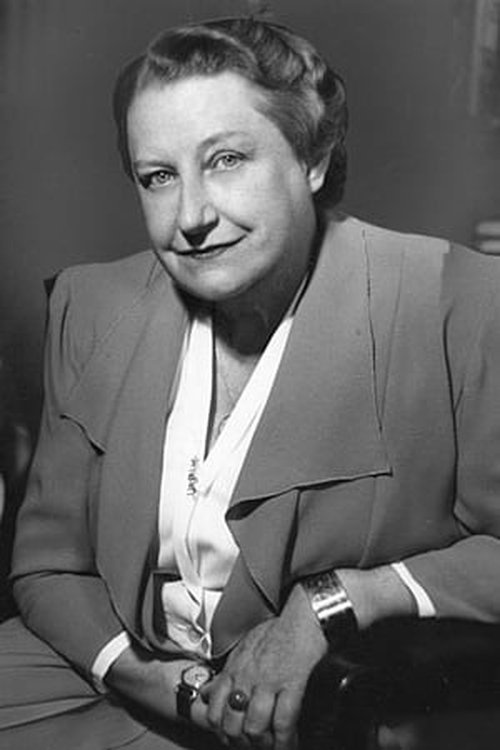
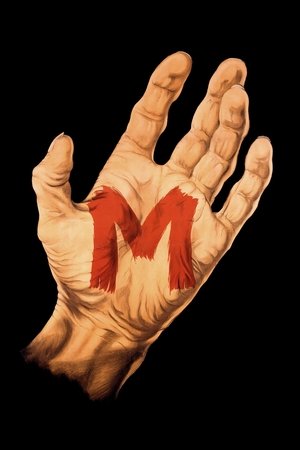
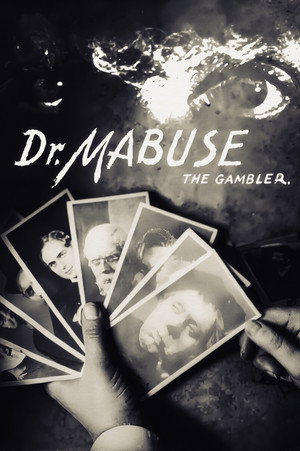
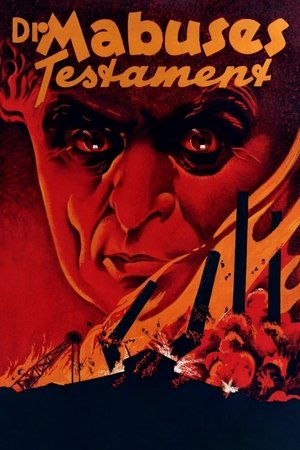
Born in the small Bavarian town of Tauperlitz in 1888, Thea von Harbou went down in history as one of the most original voices of German cinema and literature. Harbou, who first made his name as a novelist and theater writer, gradually turned into the most productive and influential screenwriter of Germany's silent cinema era. The turning point of his career was his partnership, both professional and personal, with director Fritz Lang. This collaboration paved the way for works that will be engraved in the history of world cinema. The scripts written by Harbou perfectly accompanied Lang's visual language; Each film they produced together carried a depth that transcended its era. Made in 1922, Dr. Mabuse, The Gambler, was one of the first major fruits of this partnership. The film, which deals with the chaos and moral collapse of Weimar-era Germany within the framework of a crime thriller, revealed Harbou's keen interest in social issues. The same sensitivity also manifested itself in the duo Die Nibelungen: Siegfried and Die Nibelungen: Kriemhilds Rache, shot in 1924. These two films, which brought German mythology and epic narrative to the big screen, were proof that Harbou could handle historical material with dramatic mastery. However, the production that made Harbou's name known to the whole world was Metropolis, which was released in 1927. This science fiction classic, which Harbou first wrote as a novel and then turned into a screenplay; It depicted the deep gap between the working class and the rulers through a dystopian future city. Metropolis, shot at Babelsberg Studios and bearing the title of the most expensive silent film of the period, pushed the boundaries of cinema art both visually and thematically. The film is still considered one of the fundamental references of the science fiction genre today. M - A City Searches for Its Killer, which he produced with Fritz Lang in 1931, continued to raise the bar at a time when sound was just entering cinema. This thriller, inspired by the real case of a child murderer, has become one of the masterpieces of crime cinema. Dr. in 1933 Mabuse's Will was the last collaboration between these two. Although their paths parted when Lang left Germany, Harbou chose to stay in his country and continued to write. Thea von Harbou, who died in 1954, left behind the traces of scripts and an inexhaustible imagination that left their mark on the golden age of German cinema.
Media


Movies Written/Directed