Ted Chiang
Details
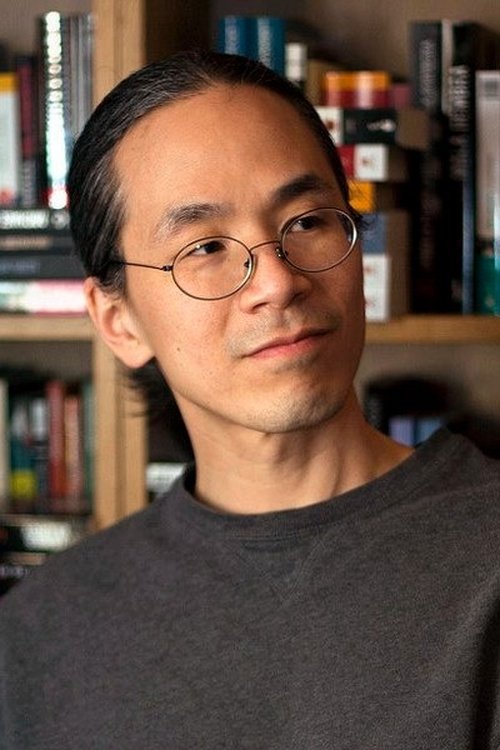
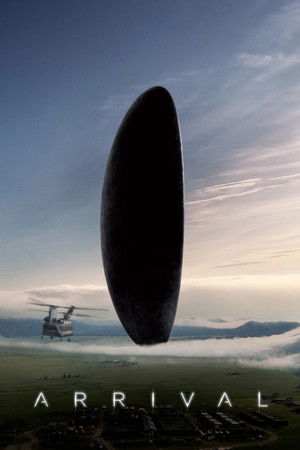
Ted Chiang, considered one of the most original voices of American science fiction writing, was born in Port Jefferson, New York's Long Island. Although the number of works he produced throughout his career is far from spectacular, Chiang, who pushes the boundaries of the science fiction genre with each of his stories, has become the most striking example of writers who write concisely but concisely. Chiang, who turned to writing after studying computer science, developed his own unique narrative language by blending his technical knowledge with philosophical and humanitarian questions. The most critical turning point that brought Chiang to international recognition occurred with the adaptation of his short story "Story of Your Life" to the cinema. This adaptation, directed by Denis Villeneuve, met with the audience in 2016 under the name Arrival. The film, starring Amy Adams, had a great impact as it brought deep philosophical questions based on language, time and consciousness to a mainstream production, and made Chiang's name known to millions of readers and viewers around the world. The film also revealed that science fiction is not just about technological speculation, but a tool that can touch the most fragile moments of human experience. Chiang's standing in the writing world is based on depth and originality rather than speed and volume. Although the number of stories he wrote over the decades was quite limited, the majority of these stories won the most prestigious awards in science fiction literature, such as Hugo, Nebula and Locus. In works such as "Division by Zero", where the laws of physics are eroded, or the poetic work "The Great Silence", where bird species and human influence intersect, Chiang invites the reader not just to a story, but to a deep thought experience. This last story examines humanity's desire to communicate and the deep contradiction in this desire through the endangered parrots of Puerto Rico. Chiang often says in interviews that he waits a long time to find out whether an idea really excites him, which is why he rarely writes. This attitude, which transforms writing into a careful and patient questioning rather than a production run, continues to be the most decisive factor that carries him to a special place in contemporary science fiction literature.
Media

Movies Appeared In
Movies Written/Directed