Fritz Lang
Details

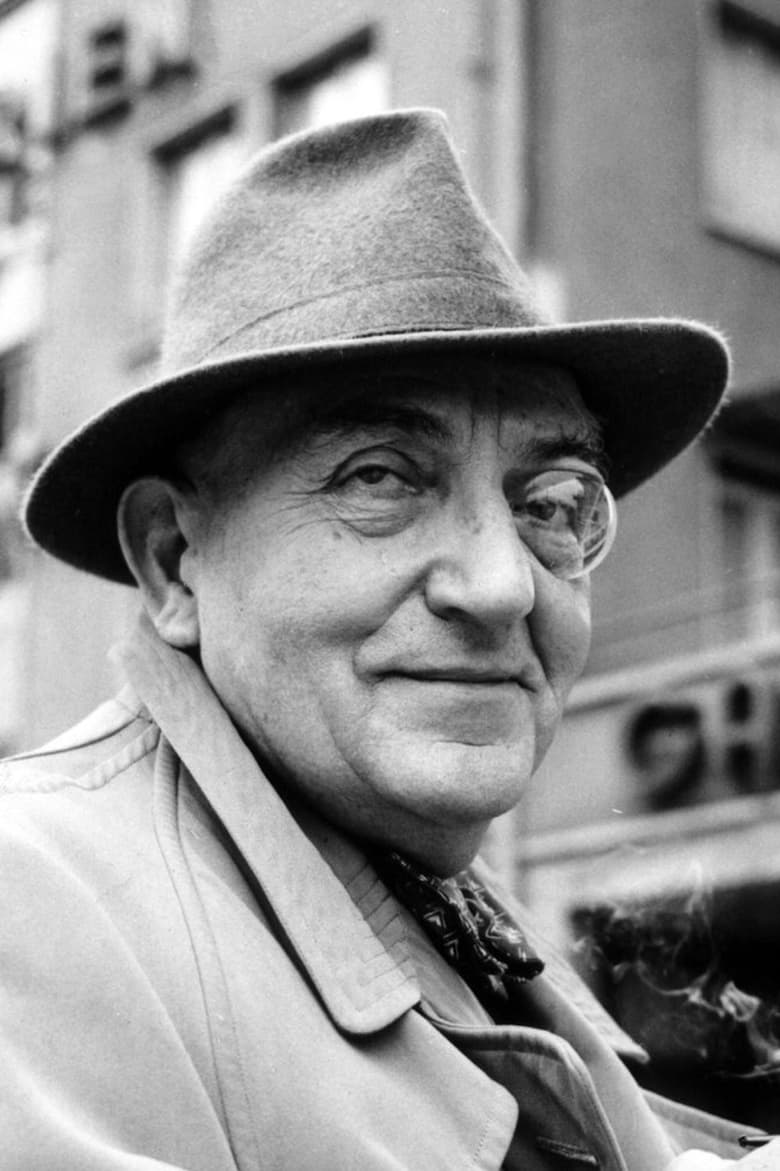
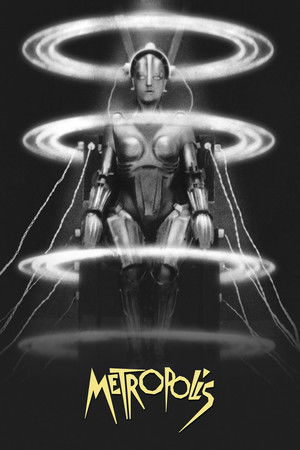
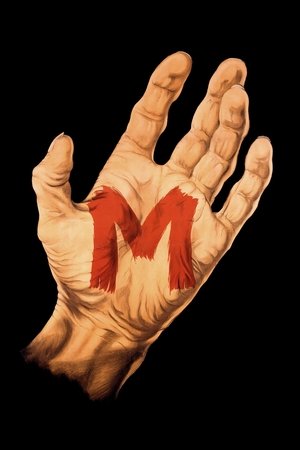
Friedrich Anton Christian Lang, who was born on December 5, 1890, on one of the gloomy winter days in Vienna, would eventually become one of the most influential names in the history of cinema. Lang, who studied architecture and found himself in the magical world of films after war wounds and a long European adventure, was recognized as one of the brightest directors of the silent cinema era shortly after taking his first steps in Germany. Considered the masterpiece of the German silent cinema era, Metropolis took its place as a work that changed the course not only of its period but of the entire history of cinema when it was released in 1927. This film, which deals with class conflict, authoritarian order and humanity's helplessness against the machine in a dystopian futurism, has gained more meaning over the years and continues to be a source of inspiration for subsequent generations. Lang's visual narrative power reached its peak here, and each frame turned into a meticulously designed painting. M - A City is Looking for Its Killer, shot in 1931, is considered one of the strongest examples of the sound cinema era. Inspired by the real case of a child murderer, this film questions both social psychology and the concept of justice in a shocking way. This production, reinforced by Peter Lorre's unforgettable performance, established Lang as a master throughout the world. Escaping the increasingly darkening atmosphere of Nazi Germany, Lang settled in the United States in the mid-1930s and continued his career in Hollywood. During this period, he created the most enduring works of the noir narrative tradition without losing his productivity. The Woman in the Window, made in 1944, and Scarlett Street, made in 1945, attracted attention with their tension-filled atmospheres and narratives examining moral collapse. The Big Heat, released in 1953, told the story of a detective fighting against a corrupt order in such an intense and dark language that it was considered a breaking point in the Hollywood cinema of the period. Lang has unquestionably taken his place among the directors who matured cinema as an art form with the importance he gave to narrative economy, his ability to build tension with visuals, and his mastery of embedding social criticism in fiction. Lang, who died on August 2, 1976, left behind a deep legacy not only in films but also in how cinema can be thought.
Media


Movies Appeared In

Movies Written/Directed
TV Shows Appeared In