Theodor Loos
Details
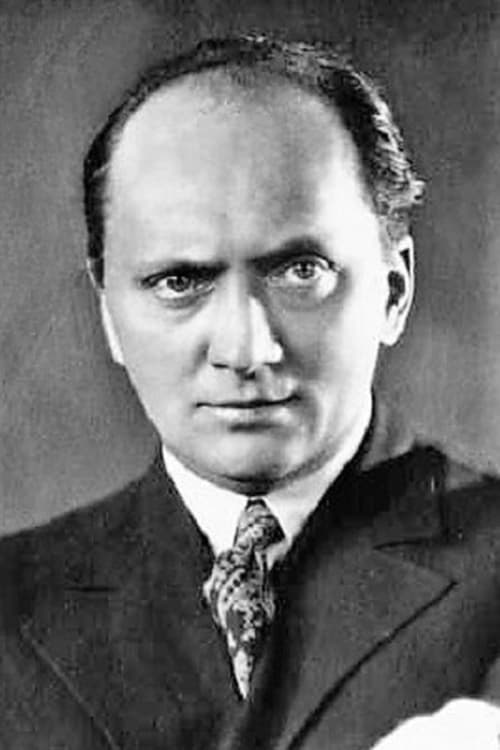
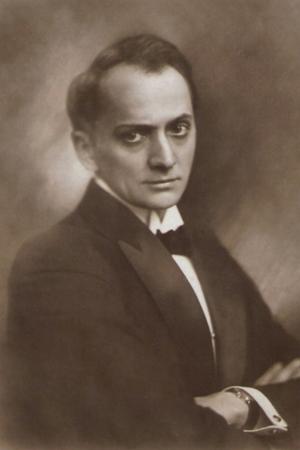
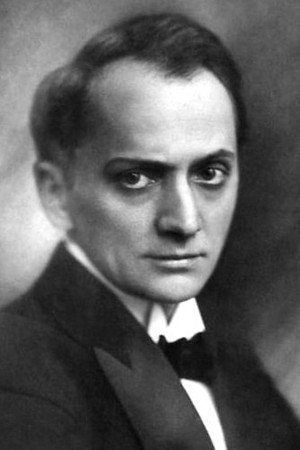
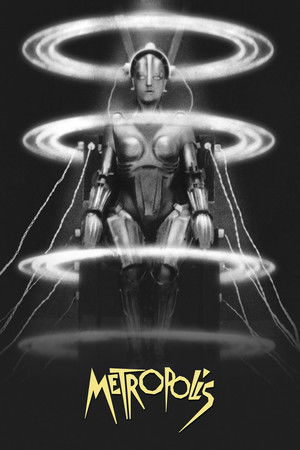
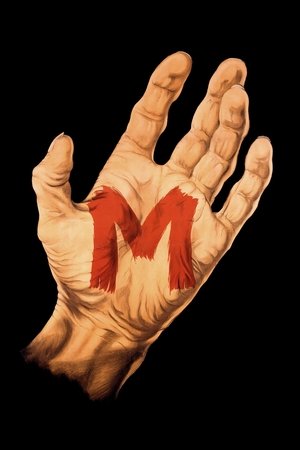
Theodor Loos, one of the few actors who transitioned seamlessly from the silent era of German cinema to the era of sound films, was born on May 18, 1883, in the town of Zwingenberg in the German state of Hesse. Loos, who had the opportunity to work with the most prestigious directors of his period throughout his long-term career, created the most important productions in the history of German cinema. Loos' name is identified above all with the directorial genius of Fritz Lang. The actor, who played the role of King Gunther in the 1924 films Die Nibelungen: Siegfried and its sequel Die Nibelungen: Kriemhilds Rache, displayed a strong and multi-layered character interpretation in these two epic productions. The films in question are among the most striking examples of the reflection of German expressionism on cinema, and Loos's contribution to these projects was appreciated by the critics of the period. Just three years later, in 1927, he crossed paths again with Fritz Lang. Loos, who played the character of Josaphat in Metropolis, which is considered a turning point in cinema, gave a convincing performance in this work, which tells about a dystopian future world, in a narrative that challenges the cinema language of the period. Metropolis is still remembered today as one of the most influential works in the history of cinema, and Loos' name is forever associated with this legendary film. While many actors lost their careers with the collapse of silent cinema and the rise of talkies, Loos successfully navigated this transition. He appeared in front of Fritz Lang's camera again with his role as Inspector Groeber in the 1931 film M - A City Searches for its Killer. In this thriller masterpiece, which went down in history with Peter Lorre's unforgettable performance, Loos contributed to the texture of the film with a calm acting approach that made you feel his authority and coolness. In 1933, Dr. In Mabuse's Will, Dr. He played the character Kramm; This film is considered among Fritz Lang's most mature works. Theodor Loos continued his career during the difficult years of Nazi Germany and took part in various projects, including the 1943 film Titanic. Loos, who passed away on June 27, 1954, left behind dozens of works that shed light on the golden age of German and world cinema. At a time when many actors were forgotten, he managed to maintain his value in the eyes of a master like Fritz Lang, thus ensuring his permanent place in cinema history.
Media

Movies Appeared In


Movies Written/Directed