Harakiri
Details
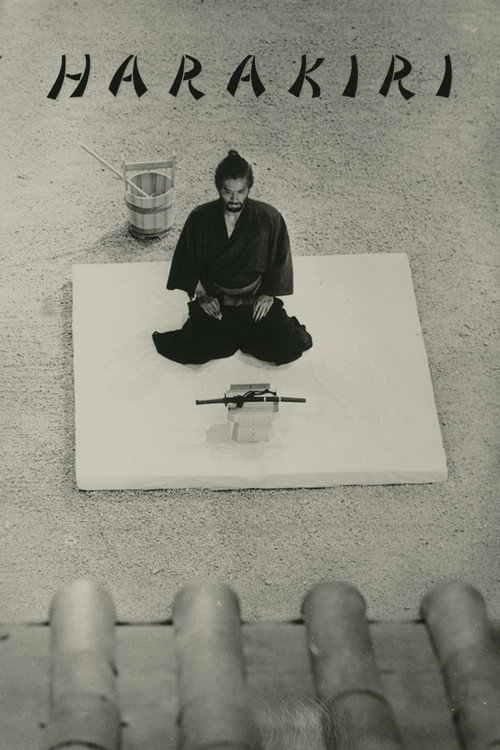


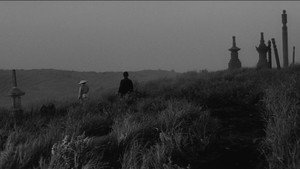
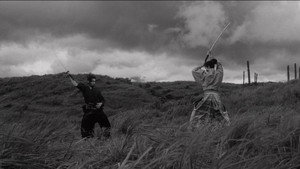
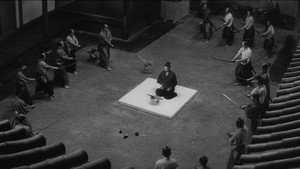
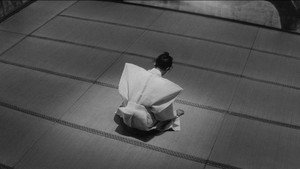
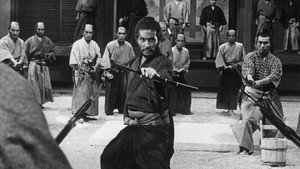
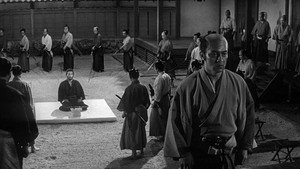
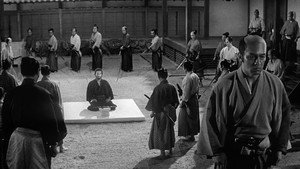
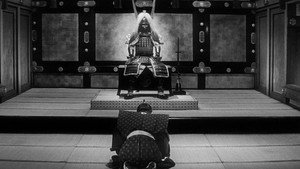
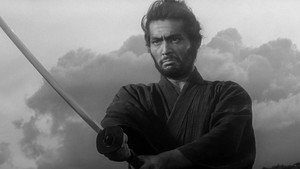
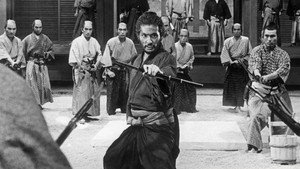
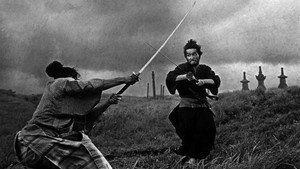
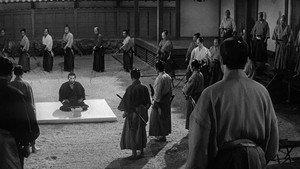
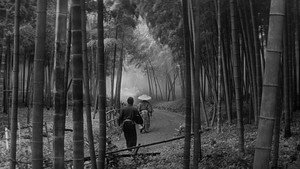
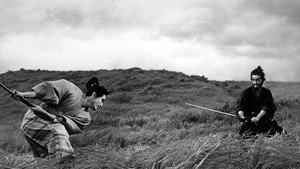
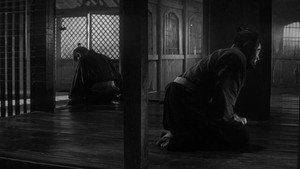
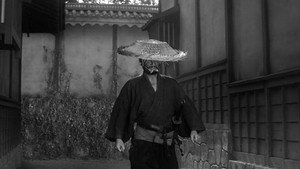
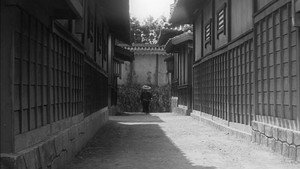
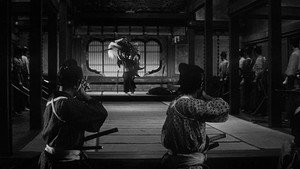
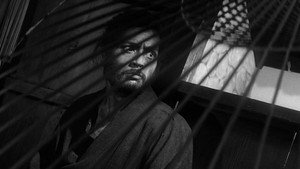
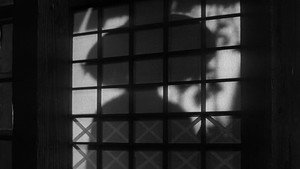
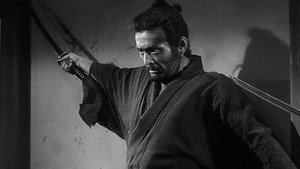
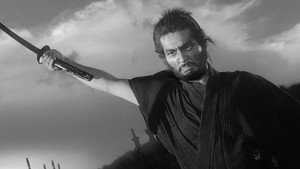
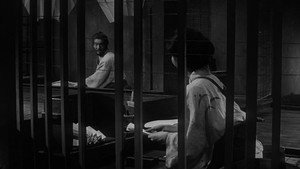
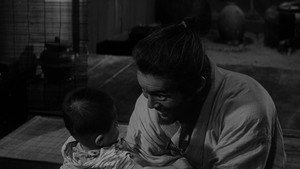
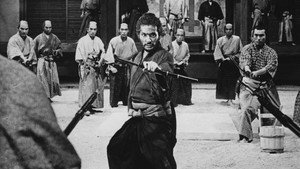
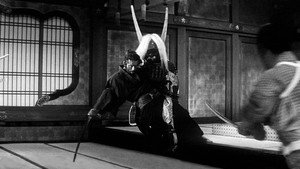
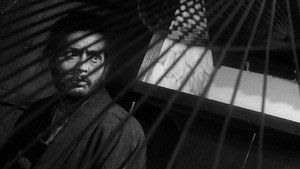
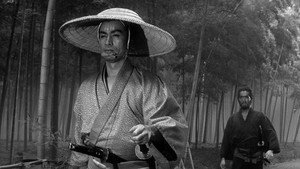
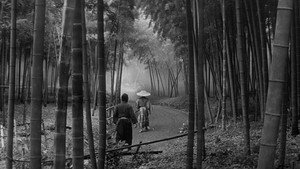
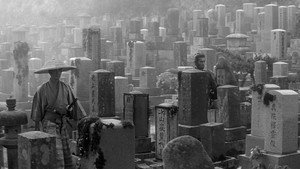
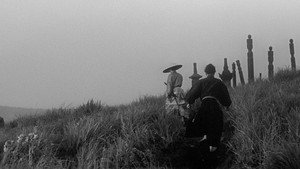
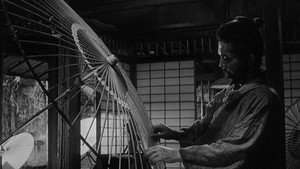
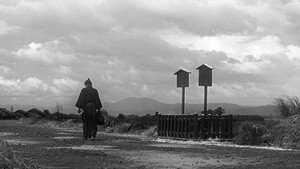
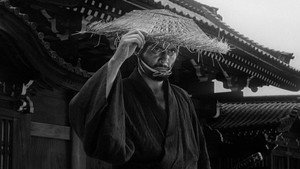
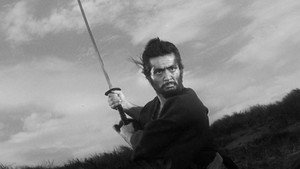
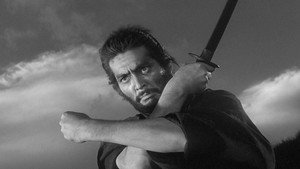
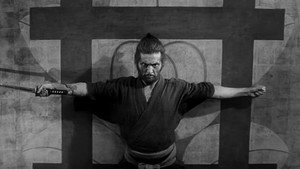
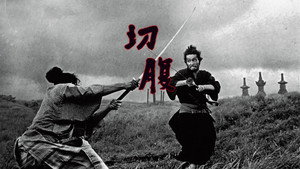
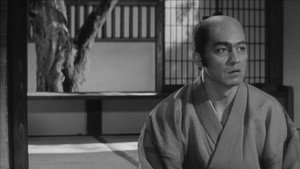
The silent cruelty of the Edo period is felt in every frame of this masterpiece by Masaki Kobayashi. The story of the souls who are trying to live their lives in the name of honor in an age when the war has ended and swords no longer have any meaning; drags a person into a spiral of thought that he cannot get out of. In the golden age of Japanese cinema, Kobayashi, who grew up in Kurosawa's shadow but spoke with his own unique voice, sets out here to dismantle the samurai myth. The film begins with a samurai asking permission for seppuku in the presence of a local lord, but this very lean beginning actually ignites the fuse of a showdown that has been built up layer by layer. With its structure that intertwines past and present, the narrative places the viewer in the position of both a witness and a judge. The social reality of the period does not remain merely a background in the film; it directly permeates the heart of the story. The ronins, left unemployed by the period of peace, are too late to realize how the system has reduced them to gears, how their honor has been turned into a commodity. Kobayashi here reveals the rottenness beneath the shiny exterior of the samurai ritual; in doing so, he uses neither angry nor didactic language, only cold and sharp observation is enough. Nakadai Tatsuya's lead performance elevates the film far beyond an ordinary period drama. Every expression on her face carries the weight of unspoken sentences. The contrasts created by the black-and-white images make the already tense narrative visually breathtaking. Toshiro Mayuzumi's music completes this fragile balance. The real question of the film is neither revenge nor death. The real question is what a person has left when faced with a system that shoves all the rules down their throat. Kobayashi doesn't just ask this question; he places it so deeply within the viewer's mind that it lingers long after the film ends. The fact that it still feels so poignant today, despite having been filmed decades ago, is the simplest proof that it is a timeless masterpiece.
JP

Shochiku

Media

Trailers
Cast




Writers & Directors
Reviews

badelf
August 19, 2012
10/10
This is an amazing Japanese classic written and filmed without flaw. The action unfolds in story-telling within story-telling. This is a film about truth. Whose truth? That is the unfoldment. In a perverted way, this amazing piece of work has become predictive of Western corporate banking. Perhaps you'll see what I mean at the end of the film.

Filipe Manuel Neto
May 22, 2023
7/10
**It's a film that might scare modern audiences a bit, but it deserves the opportunity we want to give it.** In addition to having a very strong film industry, Japan is a country with a very rich past that we in the West tend to devalue. A somewhat ethnocentric attitude, more typical of small minds. For a long time, the Japanese were a people divided by several feudal princes who fought among themselves, disputing power and regional influence. It was in this context, moreover, that the first ...
Similar Movies

Frequently Asked Questions
Harakiri was released in 1962.
Harakiri has a runtime of 2 hr 15 min (135 minutes).
Harakiri belongs to the following genres: Action, Drama, History.
Harakiri has a rating of 8.4/10 from 1,222 votes on TMDB.
In the United States, Harakiri is available to watch on: Criterion Channel, Amazon Video, Apple TV Store.