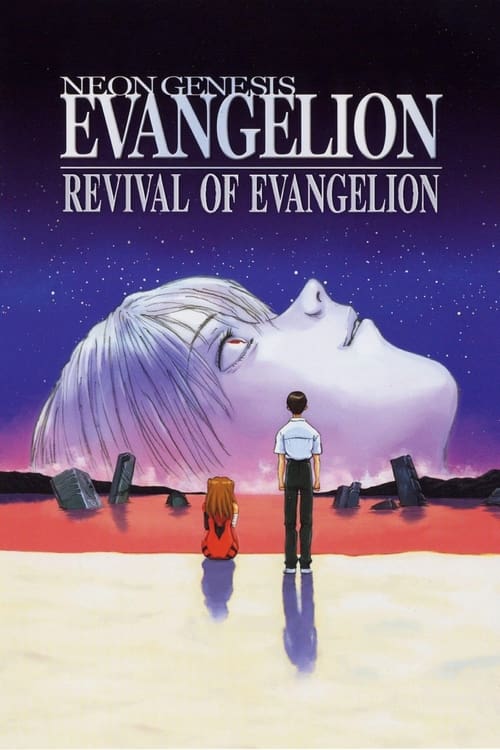
Neon Genesis Evangelion: The End of Evangelion
Details


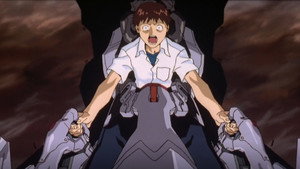
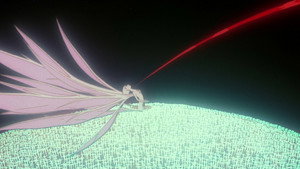
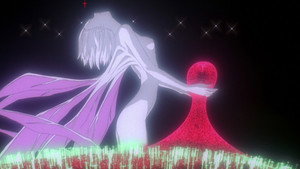
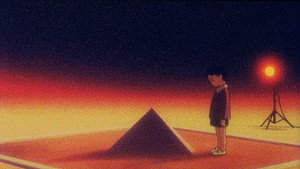
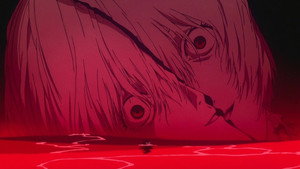
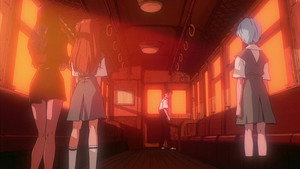
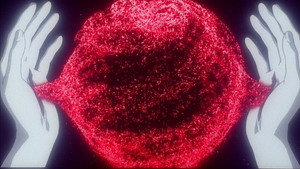
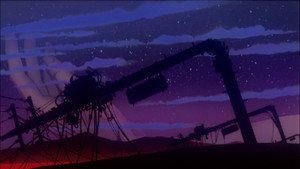
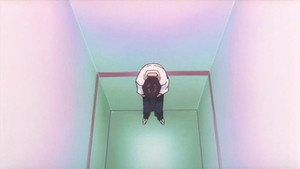
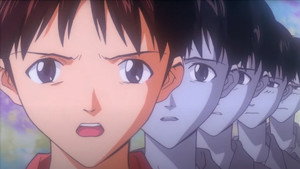
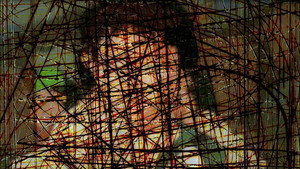
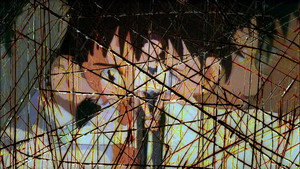
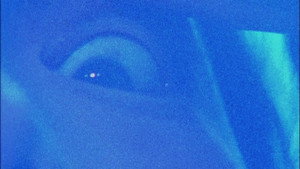
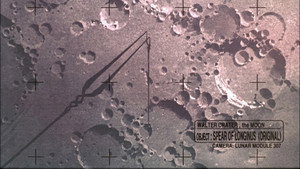
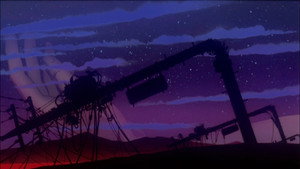
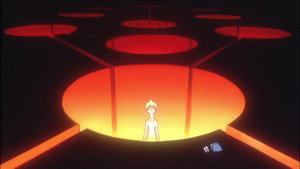
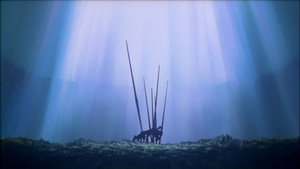
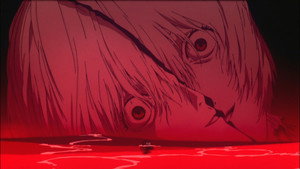
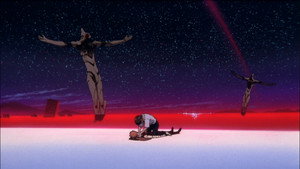
Some works cannot complete their narrative; because what they seek to convey pushes the boundaries of words and images. This 1997 film by Hideaki Anno is an experience that stands right on that borderline. Born in response to the controversial ending episodes of the Neon Genesis Evangelion series, this feature draws the viewer on a journey that is not looking for a finale, but confronting existence itself. The film takes place on an increasingly shrinking edge of the world. The Nerv facility is no longer a safe haven; when destruction from the outside meets collapse from the inside, the characters' inner worlds begin to disintegrate just as quickly. Shinji's silence, Asuka's anger, and Rei's mysterious calmness take on a strange new meaning in the midst of the apocalypse. But this meaning is not soothing; on the contrary, it is disturbing and deeply shocking. In this film, Anno offers both an action epic featuring giant robots clashing and a journey into the darkest corners of human consciousness. The two layers intertwine, and the viewer often begins to question which one is more real. The avant-garde visual language leans on surrealist moments; the frames, which go far beyond the usual anime aesthetics, turn the viewer into a witness rather than a passive spectator. The real issue of the film is not the apocalypse, but man's profound and insoluble relationship with himself. Loneliness, identity, the meaninglessness of existence and the fine line between being together and Dec Decaying; these are the real heartbeats that beat under all the noise of the movie. The concept of completion fills the screen as both a philosophical and a personal question: Can one exist by being absent in others, or as a whole within oneself? From the point of view of formal courage, this is why the End of Evangelion is considered one of the most original experimental works in the history of world cinema, not Japanese animation. It doesn't answer many questions; it leaves many doors wide open. But precisely this uncertainty makes the film worth thinking about even years later. Being able to feel both hollow and full for eighty-seven minutes is something few works achieve.
JP

GAINAX

movic

Star Chi...
TV Tokyo

Producti...

KADOKAWA...

Toei Com...

SEGA

Media





































































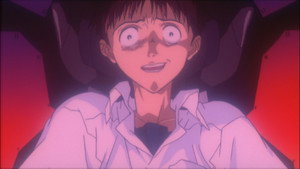






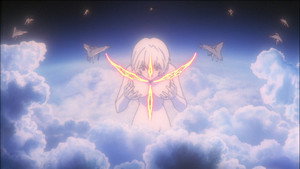


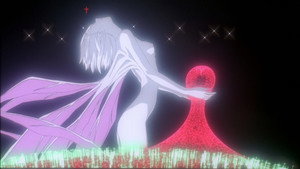

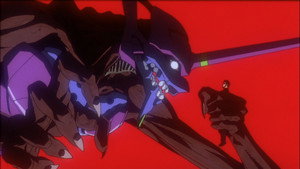
Trailers
Cast









Writers & Directors




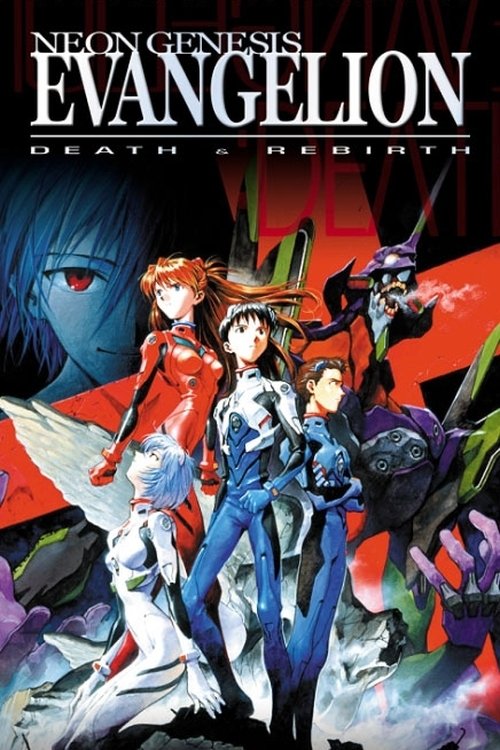
Neon Genesis Evangelion Collection

Reviews

sirdorius
November 21, 2025
3/10
Evangelion: Shinji is completely useless and whimpers for 90 minutes straight If you thought the series' ending was bad... This is somehow even worse! I think Shinji is depressed and hates his father... we can't really know for sure from the 100 times he told us that. I wish they really pushed the message one more time to be sure. Quality "deep" writing and peak anime story telling!
Similar Movies















Frequently Asked Questions
Neon Genesis Evangelion: The End of Evangelion was released in 1997.
Neon Genesis Evangelion: The End of Evangelion has a runtime of 1 hr 27 min (87 minutes).
Neon Genesis Evangelion: The End of Evangelion belongs to the following genres: Animation, Science Fiction, Drama, Fantasy.
Neon Genesis Evangelion: The End of Evangelion has a rating of 8.3/10 from 1,865 votes on TMDB.
In the United States, Neon Genesis Evangelion: The End of Evangelion is available to watch on: Netflix, Netflix Standard with Ads, Amazon Video, Apple TV Store, Google Play Movies.