Judgment at Nuremberg
Details
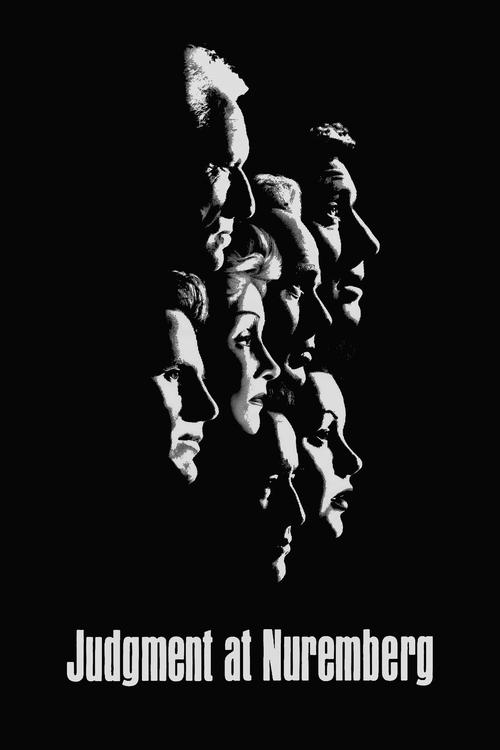


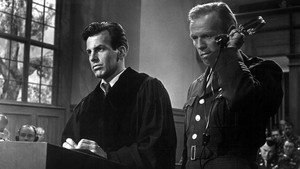
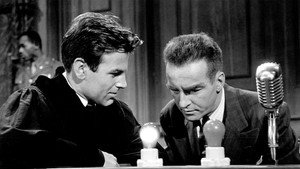
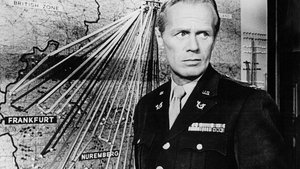
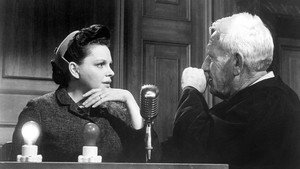
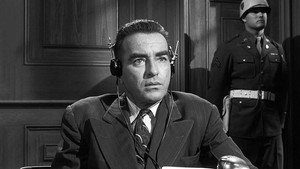
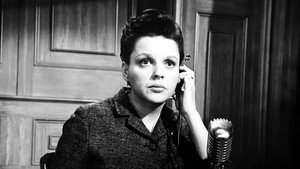
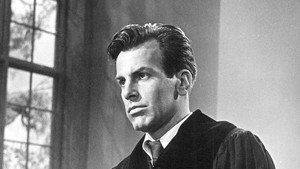
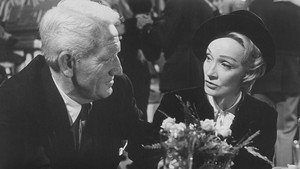
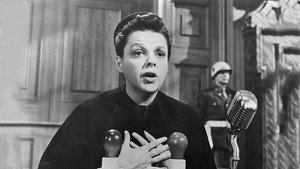
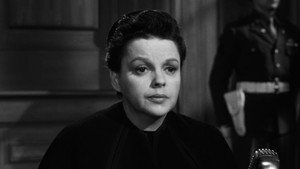
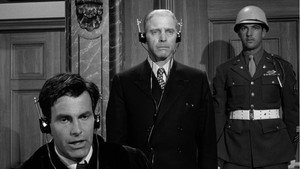
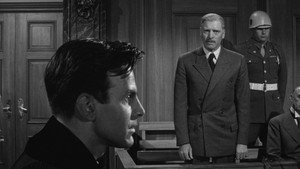
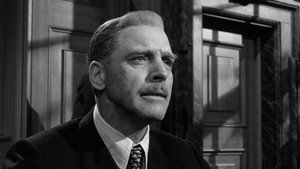
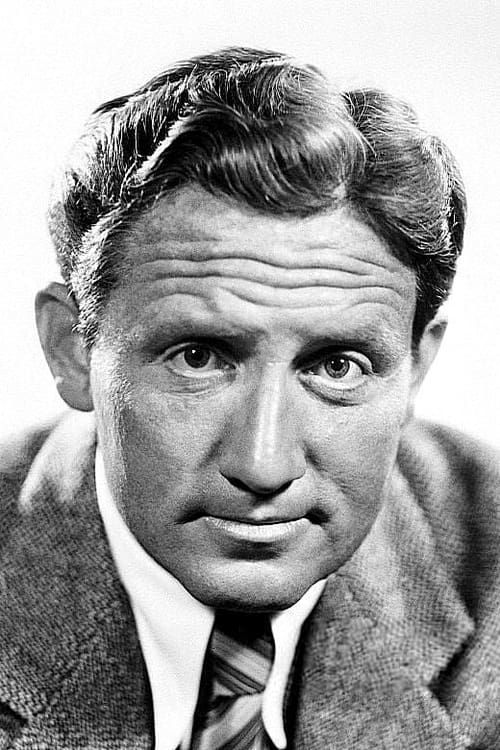
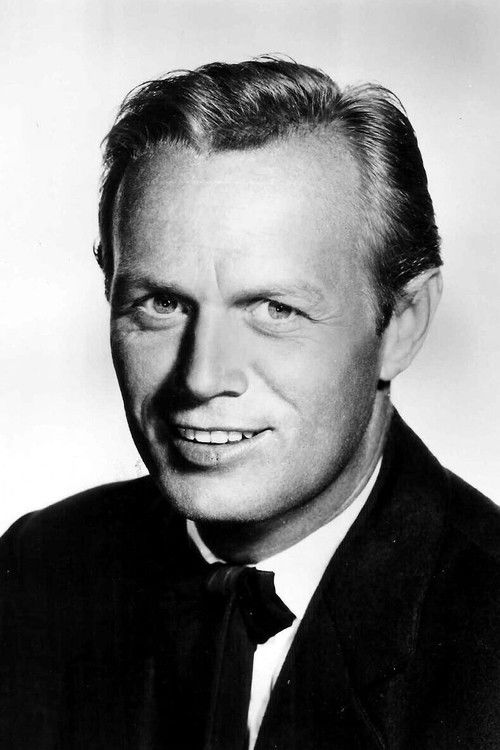
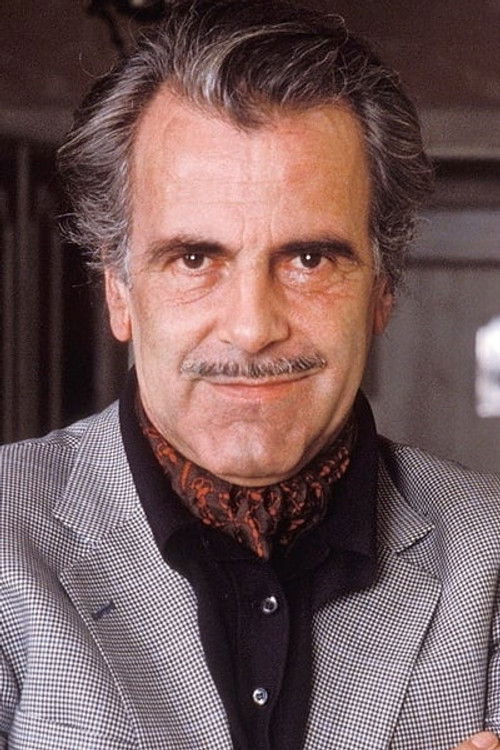
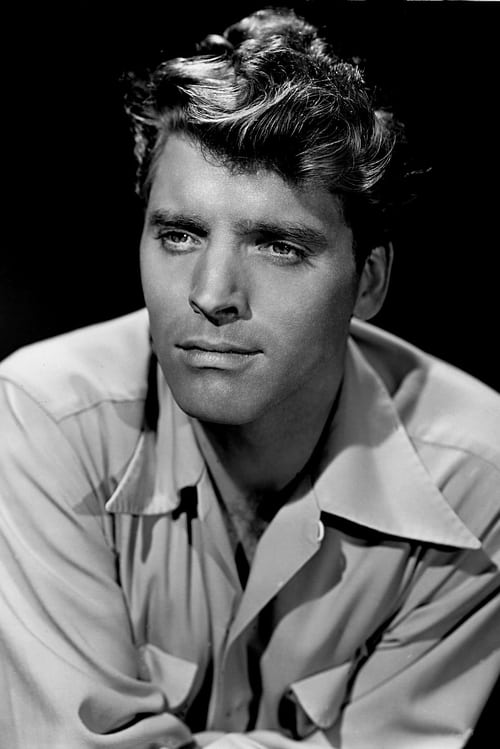
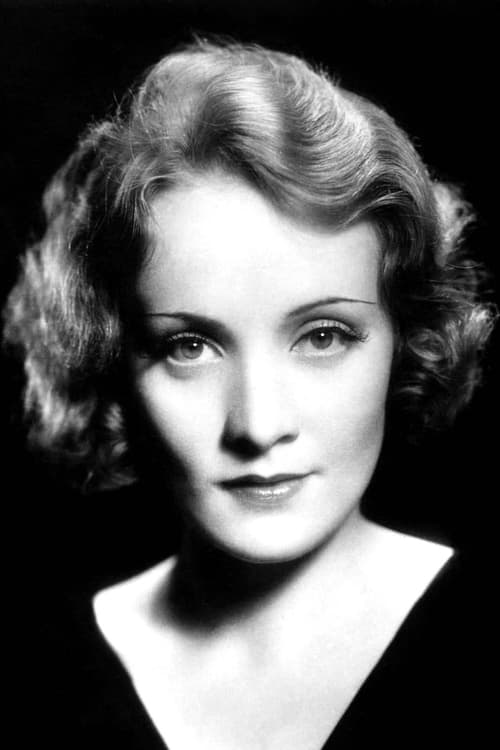
With the end of 1945, the smoke began to clear over Europe; however, history had not yet finished holding those responsible to account. The courts established in Nuremberg not only tried war criminals but also became a mirror in which civilization itself was questioned. This 1961 film by Stanley Kramer chooses to look boldly into that mirror. When read superficially, the story may seem like a courtroom drama. But a much heavier burden is carried behind the curtain: a process in which judges who use the law as a tool and prepare the ground for the deaths of millions of people are tried. The question that hangs in the air is not who is right, but under what conditions what can be considered "right." During a period when the Cold War was becoming increasingly intense, the tension between the West's political interests and the pursuit of justice forms the backbone of the film. Spencer Tracy portrays a rasped, cautious but extremely sharp judge of moral intuition with such skill that the audience is forced to think along with the eyes staring from that podium. In contrast, Maximilian Schell delivers one of the strongest defensive performances ever seen on screen. The tension between the two drives the nearly three-hour runtime of the film to a breathtaking pace of action. Burt Lancaster's cold and calculated silence, Marlene Dietrich's grace in the pride of defeat and Judy Garland's heartbreaking testimony point to the depth of the cast. The choice of black-and-white images is not coincidental. It draws the viewer into the gravity of that era, the harshness of war photographs, and the documentary authenticity. At some moments, the balance established between the Decrepitude of the courtroom and the inner worlds of the characters becomes almost suffocating, which serves the main purpose of the film. Kramer does not prefer to put the audience at ease by giving a morality lesson easily here. On the contrary, it magnifies the discomfort. He leaves the limits of complicity to the viewer's mind, how the culture of obedience can become the infrastructure of a massacre, and what the defense "I just did my duty" means. The very thing that makes this film enduring is that, despite having been made decades ago, it still poses questions that remain unanswered today.
US

Roxlom F...
Stanley ...
Media



Trailers
Cast




Writers & Directors

Reviews

CinemaSerf
April 20, 2023
8/10
Spencer Tracy is the presiding judge at the fictitious trial of some of the most evil Nazis to have survived the end of WWII. Chief amongst them is the formidable former jurist "Dr. Ernst Janning" (Burt Lancaster). Richard Widmark is tasked with leading the prosecution; Maximilian Schell as their defender. Make no mistake, this is no standard courtroom melodrama. The performances from all - especially a sensitive and measured Tracy who tries, despite every sense of humanity within himself pullin...

badelf
May 08, 2026
9/10
> Where were we when Hitler began shrieking his hate in the Reichstag? Where were we when our neighbors were being dragged out in the middle of the night to Dachau? Where were we when every village in Germany has a railroad terminal where cattle cars were filled with children being carried off to their extermination? Where were we when they cried out in the night to us?
Similar Movies



Frequently Asked Questions
Judgment at Nuremberg was released in 1961.
Judgment at Nuremberg has a runtime of 3 hr 11 min (191 minutes).
Judgment at Nuremberg belongs to the following genres: Drama, History.
Judgment at Nuremberg has a rating of 8.0/10 from 947 votes on TMDB.
In the United States, Judgment at Nuremberg is available to watch on: Amazon Video, Apple TV Store, Fandango At Home.