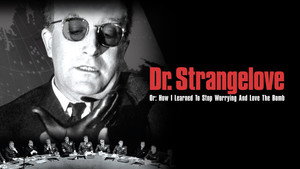
Dr. Strangelove or: How I Learned to Stop Worrying and Love the Bomb
Details
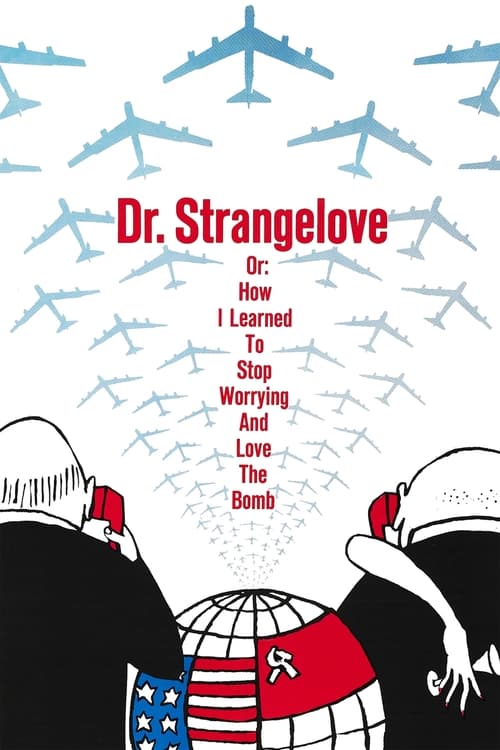


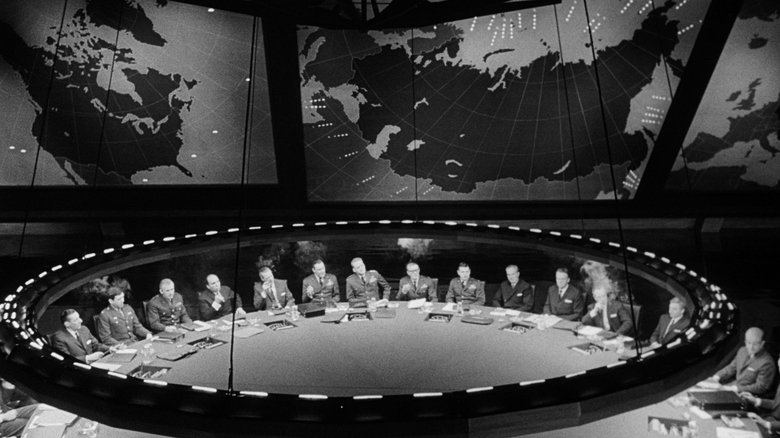
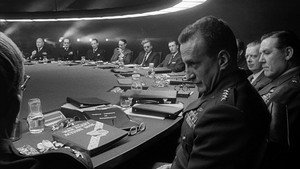
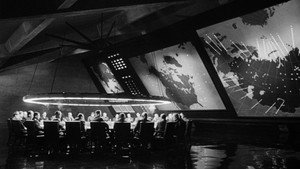
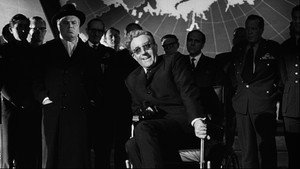
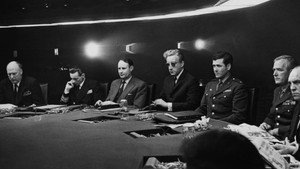
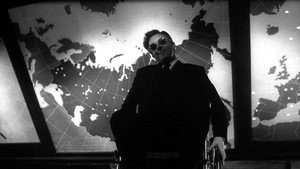
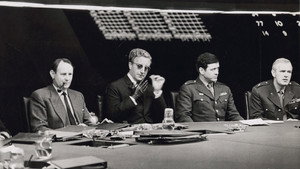
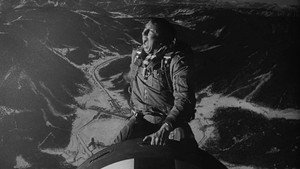
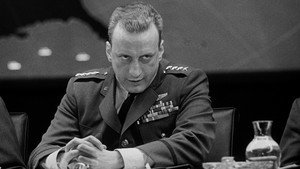
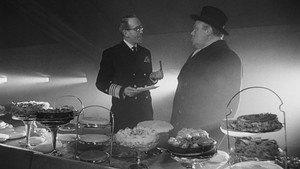
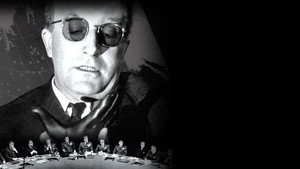
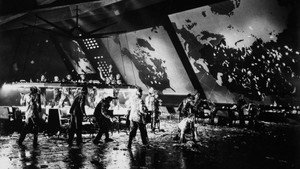
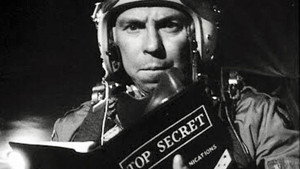
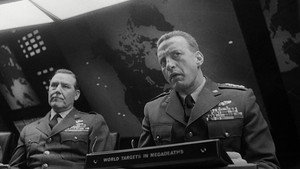
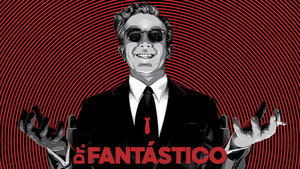
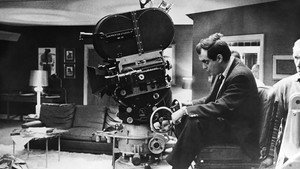
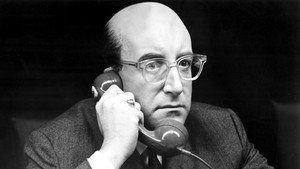
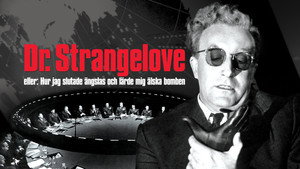
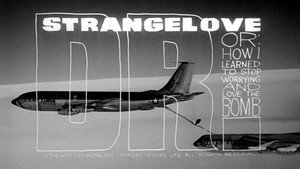
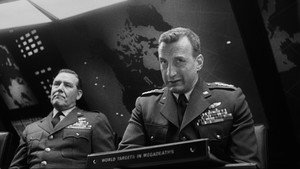
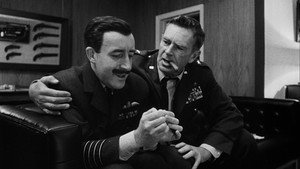
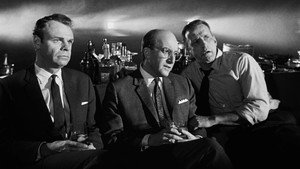
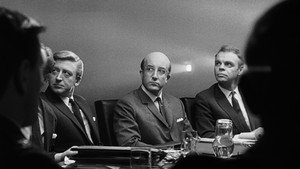
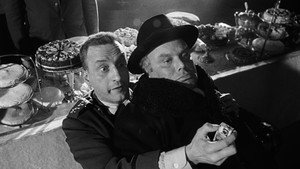
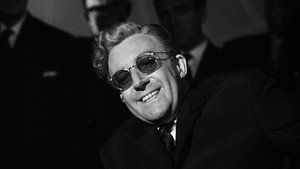
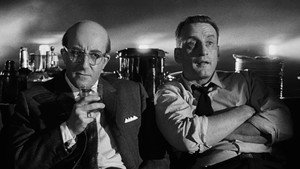
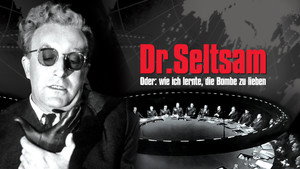
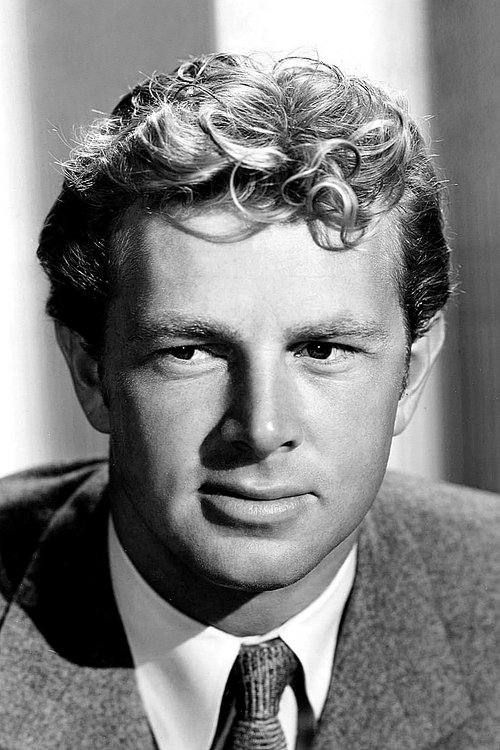
Stanley Kubrick pushed the boundaries of every genre with every work he brought to cinema; however, he never displayed this courage in any of his films. It hasn't taken it to such an extreme as Garipaşk. At one of the climaxes of the Cold War, turning a nuclear disaster that could destroy humanity into a black comedy is both an extremely dangerous and an extremely ingenious choice. Kubrick uses this choice so skillfully that the audience realizes they are deeply disturbed while laughing. The film questions how closely military rationality can be intertwined with madness. When the paranoia of a general, the inability of bureaucratic levels to function and the incapacity of politicians come together, the picture that emerges becomes a cartoonish but so familiar reflection of the Decadent Cold War period that really happened. The black-and-white image adds a documentary weight to this absurd story, while Deconstructing the distance between Kubrick's fictional world and the real world. Peter Sellers' portrayal of multiple characters simultaneously remains the most talked-about aspect of the film. As Sellers transitions between these characters, each representing a completely different human nature, he virtually tests the limits of acting. George C. Scott and Sterling Hayden, on the other hand, provide him with the perfect backdrop in this absurd orchestration. Kubrick's directorial approach here is extremely cold and detached; he observes the collapse of humanity as an entomologist observes insects. This distance further sharpens the film's satire. The War Room scenes, symmetrical frames reminiscent of propaganda posters, contrast with the cramped realism of the airplane cockpit, and this contrast sums up the spirit of the film: everything is ridiculous and deadly at the same time. Dr. When Garipaşk is watched today, it feels like nothing has changed. Because what it satirizes is not the political climate of a particular era, but human nature itself. The lust for power, blind trust in institutions, and the bizarre bureaucratic politeness maintained even in times of disaster... These are things that don't change over time. Kubrick saw this in 1964 and described it with a laugh; that laugh still chokes me today.


Hawk Fil...
Columbia...

Media













Trailers
Cast




Writers & Directors
Reviews

CRCulver
September 08, 2018
9/10
Stanley Kubrick's 1964 film <i>Dr. Strangelove</i> is a hilarious film about the nuclear annihilation of the human race. Its plot combines three strands that lead inevitably to this doomsday. In the first, an Air Force base commander (Sterling Hayden) goes insane and launches the go-code for his B52s to drop the bomb on their targets in Russia, while a British captain on an officer exchange program (Peter Sellers) tries to reason with him. In the second strand, we see the crew of a B52 comm...

barrymost
November 14, 2019
8/10
A U.S. bomber plane is heading for Russia. Communications are unavailable. The Commie Russians have built a doomsday device. And, according to crazy, (wheelchair-bound?), ex-Nazi scientist, Dr. Strangelove, nuclear destruction is upon us all! Thanks to this eccentric comedy, I now have considerable respect for the talent of Peter Sellers. How he pulled off three totally different roles so convincingly is just beyond me. Especially his portrayal of the U.S. President; I could hardly believe...

Filipe Manuel Neto
December 19, 2022
10/10
**Sex and war in an extremely sarcastic and intelligent film.** This film is one of the best of director Stanley Kubrick's career, and is also one of the most iconic and acidic satire that cinema has ever seen. Inspired by a tense novel that was published in the same period, and by the political and military events that were taking place at the time, the film shoots in all directions to give us the most absurd and ridiculous image of the rivalry between the USA and the Soviet Union. Despite e...

CinemaSerf
June 01, 2024
7/10
Just as "Seven Days in May" was hitting our screens, Stanley Kubrick used a superbly over-the-top effort from Sterling Hayden to depict a rogue general who has decided to use all the checks and balances in place to defend the United States to his own mischievous advantage and launch a pre-emptive bombing campaign on those pesky "Ruskies". It's only his perfectly moustachioed British executive officer "Mandrake" (Peter Sellers) who smells a rat, but he is on lockdown in their air force base that ...
Similar Movies







Frequently Asked Questions
Dr. Strangelove or: How I Learned to Stop Worrying and Love the Bomb was released in 1964.
Dr. Strangelove or: How I Learned to Stop Worrying and Love the Bomb has a runtime of 1 hr 35 min (95 minutes).
Dr. Strangelove or: How I Learned to Stop Worrying and Love the Bomb belongs to the following genres: Comedy, War.
Dr. Strangelove or: How I Learned to Stop Worrying and Love the Bomb has a rating of 8.1/10 from 6,170 votes on TMDB.
In the United States, Dr. Strangelove or: How I Learned to Stop Worrying and Love the Bomb is available to watch on: Amazon Video, Apple TV Store, Google Play Movies, YouTube, Fandango At Home.