Doctor Who

Details

Doctor Who
Where to Watch?
Britbox Apple TV Channel BritBoxBritBox Amazon ChannelAmazon VideoApple TV StoreGoogle Play MoviesFandango At Home

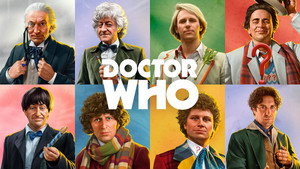
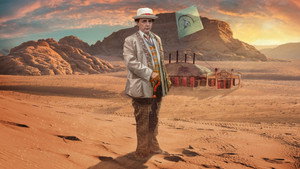
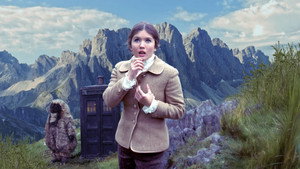
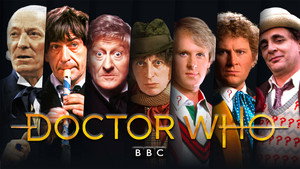
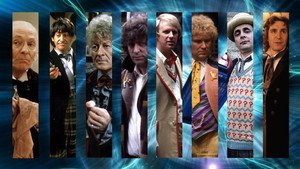
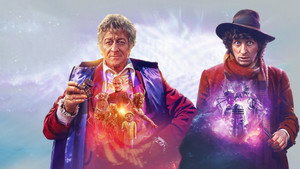
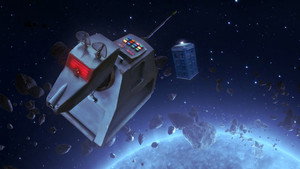
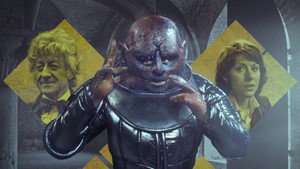
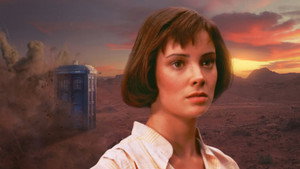
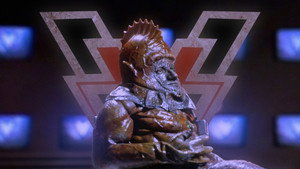
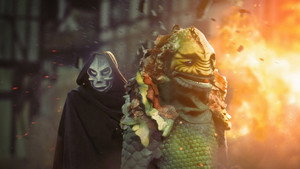
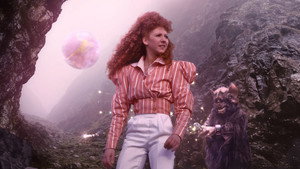
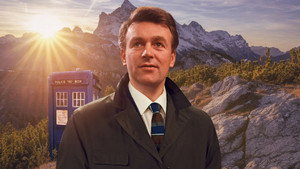
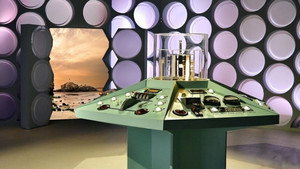
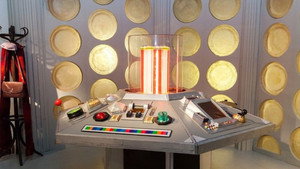
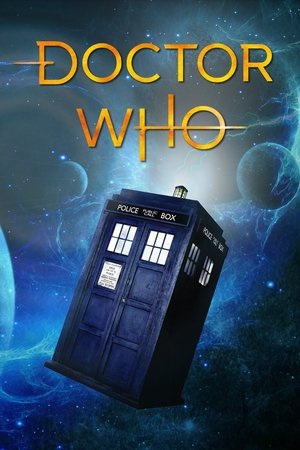
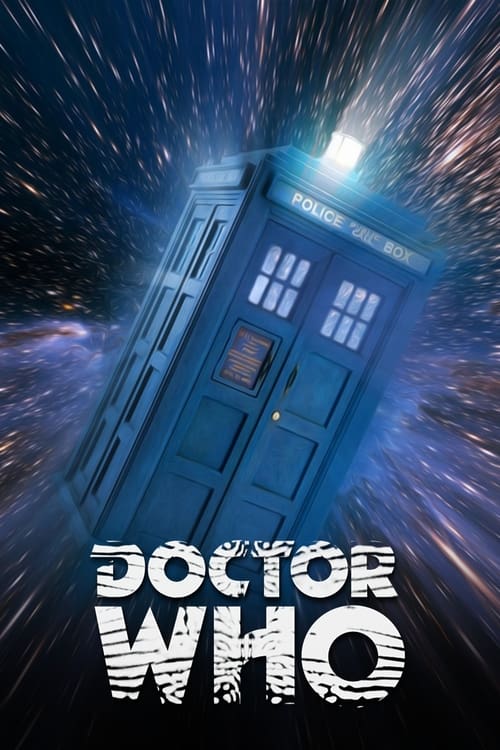
Some stories grow stale over time; others transform into time itself. this adventure, which started on BBC screens in 1963, has managed to fascinate generations for decades and has ceased to be just a television series and has become almost a cultural heritage. This title, which is also registered by the Guinness Book of Records, is not for nothing; the production in question still retains the distinction of being the world's longest-running science fiction television program. At its center is a mysterious character known as "The Doctor". This Time Lord, who travels through the depths of time and the infinity of space, is no ordinary hero. The spaceship he carries with him, the TARDIS, is also a symbol of the extraordinary; this vehicle, which looks modest and even inconspicuous from the outside, contains a completely different universe inside. Just like the series itself. What transcends the era of its production is not merely its science fiction elements. Each episode opens the door to a different time period, a different civilization, or a form of existence never before imagined. History is sometimes treated as a lesson, and sometimes as a fragile truth that faces the danger of being rewritten. In this regard, the series does not merely offer adventure to its audience; it stirs up curiosity, poses moral questions, and makes them question what meaning humans have in the universe. Since the first periods when low-budget special effects were overcome with creative solutions, the series has seen its boundaries as an invitation, not an obstacle. In the years when electronic music was considered an unknown area for television, he broke ground by creating that original soundtrack and balanced his visual limitations with a strong scripted fiction. During the period when Sylvester McCoy and Sophie Aldred gave life, the depth of the character came to the fore, and the tension between the dark and the light Decently felt inside the Doctor. Thanks to this approach, the series has managed to create a rare structure that can captivate both children and adults simultaneously. This adventure still continues for anyone who wants to understand time, not just race against it.

Rating: 7.9/10
Vote Count: 699
Start Date: November 23, 1963
End Date: December 06, 1989
Original Name: Doctor Who
Languages: English
Country:

GB

United Kingdom
Production Companies:

BBC

Popularity:61.8175

Media
https://image.tmdb.org/t/p/w780//aUKBmiyU8xAmxVfwJQSuUQD6Cpl.jpg
Doctor Who
Doctor Who
Doctor Who
Doctor Who
Doctor Who
Doctor Who
Doctor Who
Doctor Who
Doctor Who
Doctor Who
Doctor Who
Doctor Who
Doctor Who
Doctor Who
Doctor Who
Doctor Who
Doctor Who
Doctor Who
Doctor Who
Doctor Who
Doctor Who
Doctor Who
Doctor Who
Doctor Who
Doctor Who
Doctor Who
Doctor Who
Doctor Who
Doctor Who
Doctor Who
Doctor Who
Doctor Who
Doctor Who
Doctor Who
Doctor Who
Doctor Who
Doctor Who
Doctor Who
Doctor Who
Doctor Who
Doctor Who
Doctor Who
Doctor Who
Doctor Who
Doctor Who
Doctor Who
Doctor Who
Doctor Who
Doctor Who
Doctor Who
Doctor Who
Doctor Who
Doctor Who
Doctor Who
Doctor Who
Doctor Who
Doctor Who
Doctor Who
Doctor Who
Doctor Who
Doctor Who
Doctor Who
Doctor Who
Doctor Who
Doctor Who
Doctor Who
Doctor Who
Doctor Who
Doctor Who
Doctor Who
Doctor Who
Doctor Who

Trailers

Cast

Writers & Directors

Seasons

Specials
Specials
Special installments of the series.
Release Date:
August 26, 1991
Episode Count:
1392
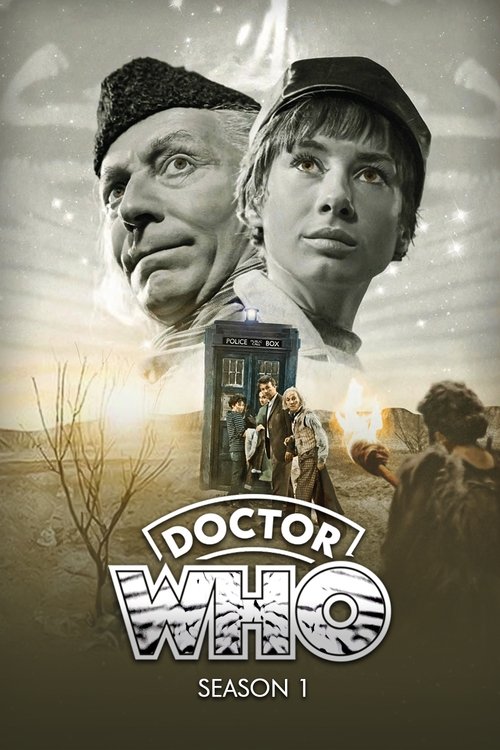
Season 1
Season 1
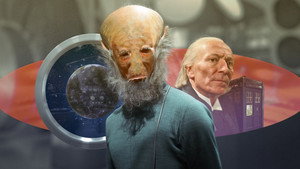
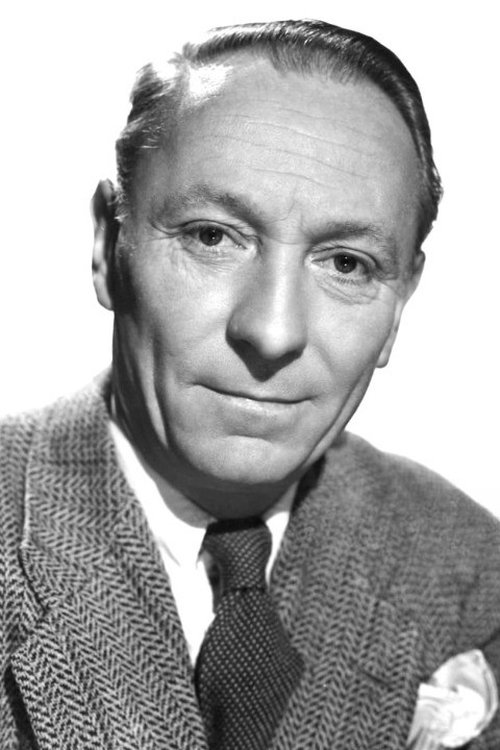
The season introduces William Hartnell as the First Doctor, an alien who travels through time and space in his TARDIS, which appears to be a British police box on the outside. Carole Ann Ford is also introduced as the Doctor's granddaughter Susan Foreman, who acts as his companion alongside her schoolteachers Ian Chesterton and Barbara Wright, portrayed by William Russell and Jacqueline Hill, respectively. Throughout the season, the Doctor and his companions travel throughout history and into the future. Historical stories were intended to educate viewers about significant events in history, such as the Aztec civilisation and the French Revolution; futuristic episodes took a more subtle approach to educating viewers, such as the theme of pacifism with the Daleks.
Episode Rating:
6.4/10
Release Date:
November 23, 1963
Episode Count:
42
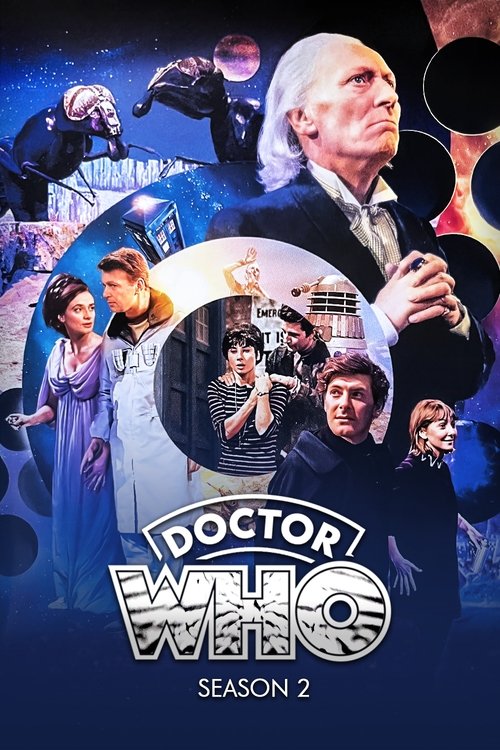
Season 2
Season 2
Milestones this season included not one but two encore appearances by the Daleks; the departure of the original three companions, Susan Foreman, Barbara Wright and Ian Chesterton; and the first appearance of someone else from the Doctor and Susan's home planet, and the first Time Lord enemy to appear.
Episode Rating:
6.4/10
Release Date:
October 31, 1964
Episode Count:
39
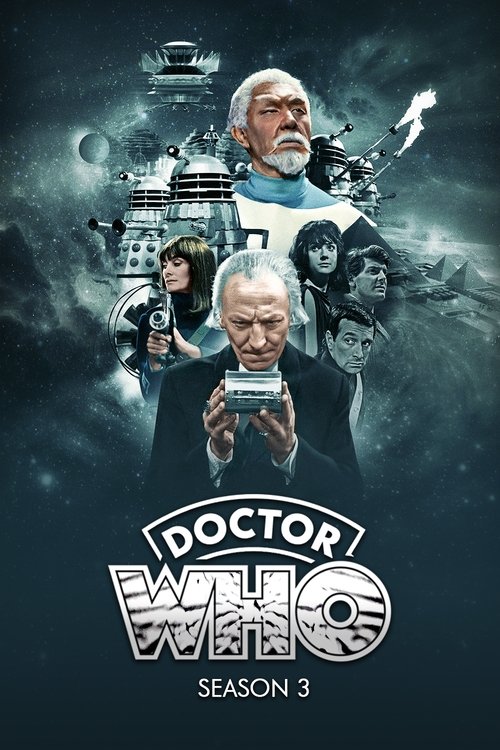
Season 3
Season 3
At twelve episodes, The Daleks' Master Plan was the longest story in the show's history until superseded by the fourteen-episode The Trial of a Time Lord in 1986. The season also had the greatest number of different companions (seven) and producers (three). This was the longest season in the history of the franchise to date, at 45 episodes. It also featured the first appearance of actor Nicholas Courtney, although not in his most famous role as the Brigadier. The Daleks' Master Plan also saw the return of Peter Butterworth as the Monk, who became the second Doctor Who enemy to make a return (after the Daleks themselves) to the show. This was also the season of The War Machines, to date the only televised story in which the taboo of never referring to the Doctor directly by the name "Doctor Who" is broken, with the exception of Missy's teasing in World Enough and Time.
Episode Rating:
6.4/10
Release Date:
September 11, 1965
Episode Count:
45
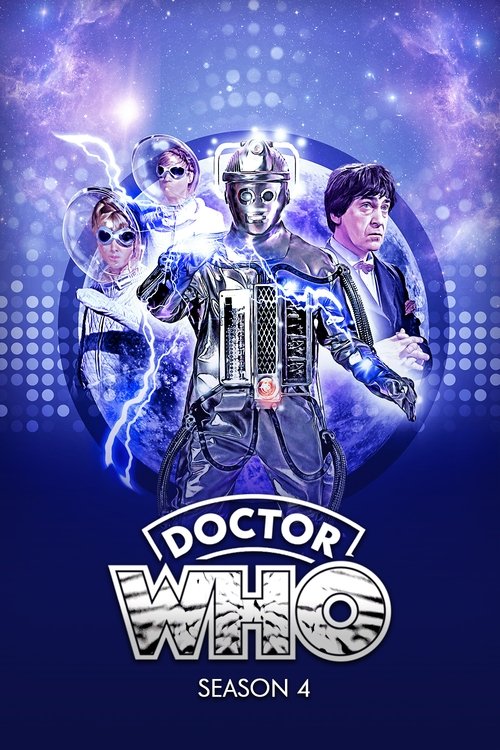
Season 4
Season 4
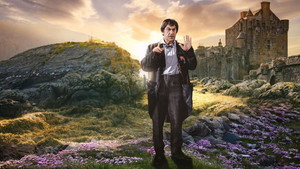
This season was a season of major changes for Doctor Who, including some that have influenced the series and franchise ever since. Most notably, season 4 saw William Hartnell's First Doctor hand off the baton to Patrick Troughton's Second Doctor in the very first regeneration. When Hartnell announced his plans to leave the series, the show's writers came up with the idea of having the Doctor change his appearance and personality. In 1966, while it was not uncommon for actors to change in ongoing TV and film roles, this was possibly the first time a change in appearance was written into the very nature of the character.
Episode Rating:
6.9/10
Release Date:
September 10, 1966
Episode Count:
43
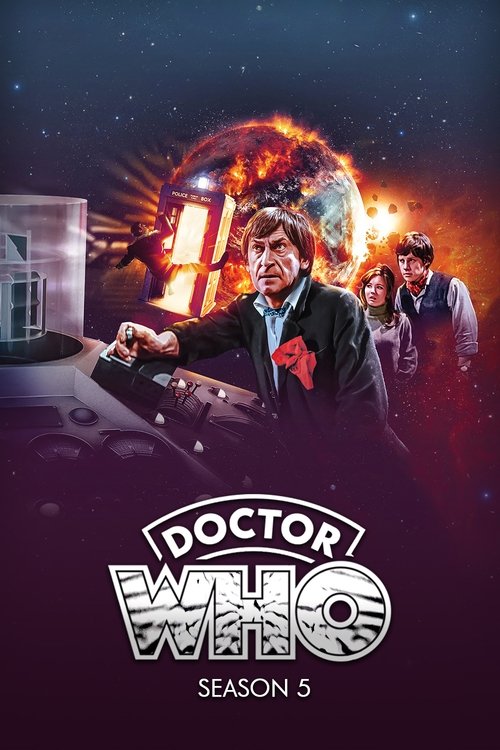
Season 5
Season 5
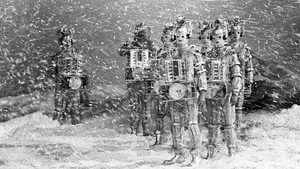
No complete stories from the season were known to have survived until the early-1990s when archivists recovered a complete version of The Tomb of the Cybermen. A second complete story, The Enemy of the World was recovered in 2013, along with a nearly complete recovery of the story that followed it, The Web of Fear. The season is also notable for having Patrick Troughton play a double-role as both the Doctor and Salamander in The Enemy of the World.
Episode Rating:
6.9/10
Release Date:
September 02, 1967
Episode Count:
40
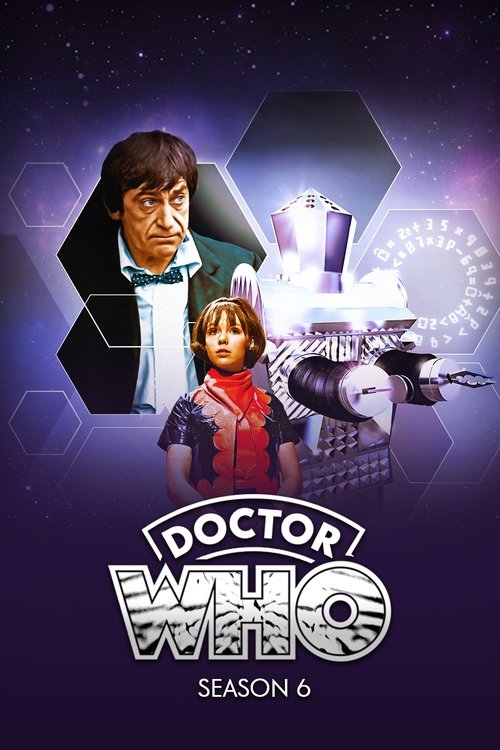
Season 6
Season 6
This season featured the first ever UNIT story, The Invasion, which showcased the return of Brigadier Lethbridge-Stewart. It also featured the first official appearance of Time Lords and the as yet unnamed Doctor's home planet (another member of Susan and the Doctor's race, the Monk, had appeared previously, but without much elaboration and without using the term "Time Lord"). It also marked the tenure of Patrick Troughton as the Second Doctor. It consisted of seven serials and forty-four episodes, including two epic-length storylines: the eight episodes of The Invasion and the ten-episode The War Games.
Episode Rating:
7.1/10
Release Date:
August 10, 1968
Episode Count:
44
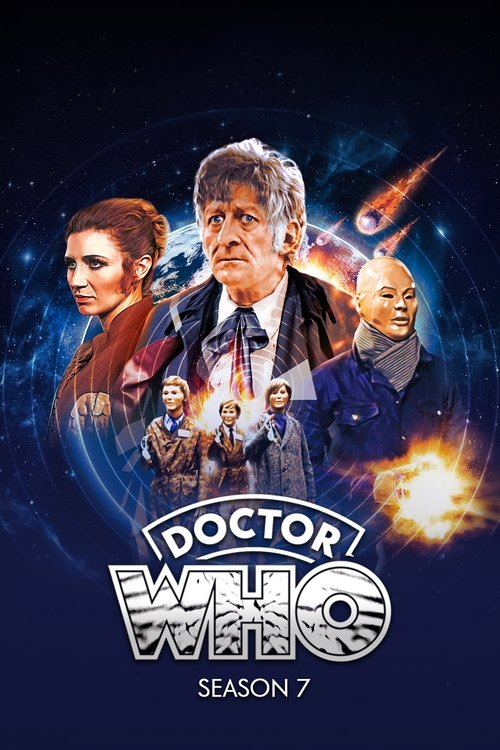
Season 7
Season 7
It was the first series produced and broadcast in colour and the first set entirely in one time period and almost entirely on Earth (the latter of these factors would later be repeated for Season 26 and Series 1, although in those two cases there was no attempt at an in-universe explanation for confining the Doctor to the planet). Although the series did not have an overall story arc, it did feature a recurring subplot of the Doctor trying to adjust to life as an exile while trying to circumvent the restrictions placed upon him by the Time Lords, and began the process where the Doctor would try to gain more control over his TARDIS. Beginning with this series and continuing for the next few years, most storylines involve the Doctor working with UNIT.
Episode Rating:
7.7/10
Release Date:
January 03, 1970
Episode Count:
25
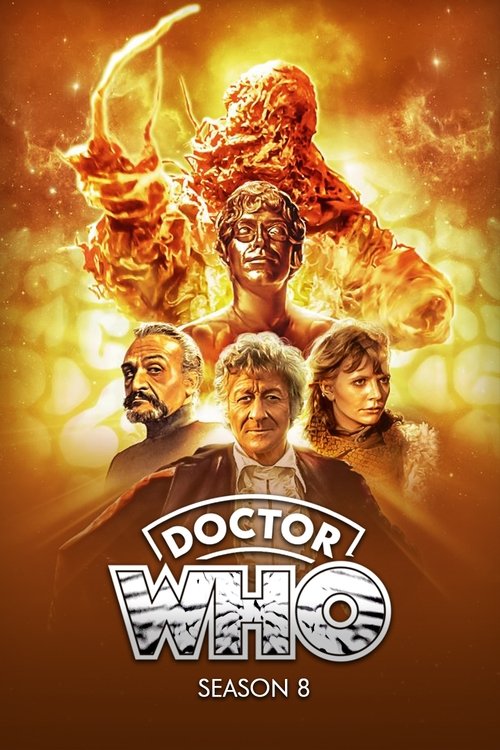
Season 8
Season 8
As of 2017, season 8 remains notable for being the season with the most number of regular characters. Not only did it see a new companion in the form of Jo Grant, but it featured a regular enemy — The Master — who was the first regular Time Lord enemy of the Doctor to appear more than twice, and an expanded regular UNIT cast that now included Sergeant Benton and Mike Yates in most episodes. Adding in returning regulars Jon Pertwee and Nicholas Courtney, the regular cast swelled to six.
Episode Rating:
7.2/10
Release Date:
January 02, 1971
Episode Count:
25
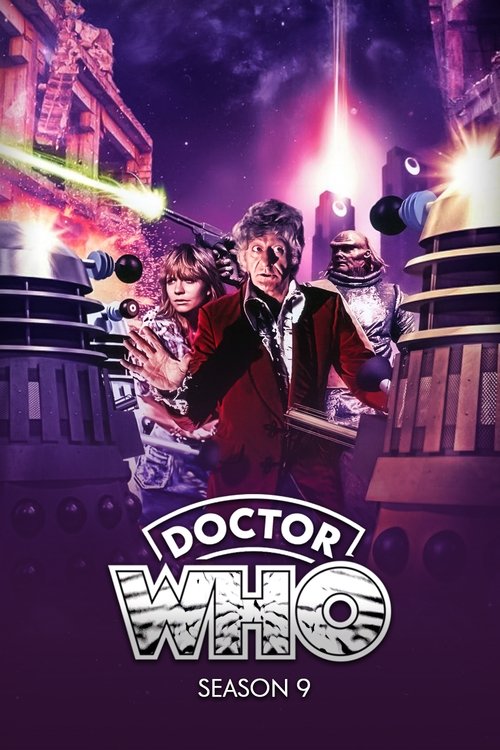
Season 9
Season 9
It was noted for being the beginning of the end of the Doctor's exile on Earth, with the Doctor's TARDIS still under the control of the Time Lords (The Mutants) and restricted freedom (The Curse of Peladon and The Time Monster), as well as UNIT and the Master appearing less frequently in compared to the previous two series. As well as the return of the Daleks and the Ice Warriors, this series also introduced Alpha Centauri, Aggedor and the Silurians' aquatic cousins the Sea Devils.
Episode Rating:
6.5/10
Release Date:
January 01, 1972
Episode Count:
26
Season 10
Season 10
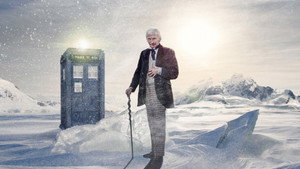
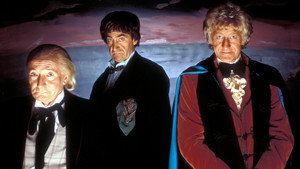
William Hartnell returned in a cameo as the First Doctor and Patrick Troughton in a more substantial role as the Second Doctor in The Three Doctors. This story marked the end of the Doctor's exile on Earth, opening up the series to more off-world adventures and beginning a gradual reduction of UNIT-related stories.
Episode Rating:
6.9/10
Release Date:
December 30, 1972
Episode Count:
26
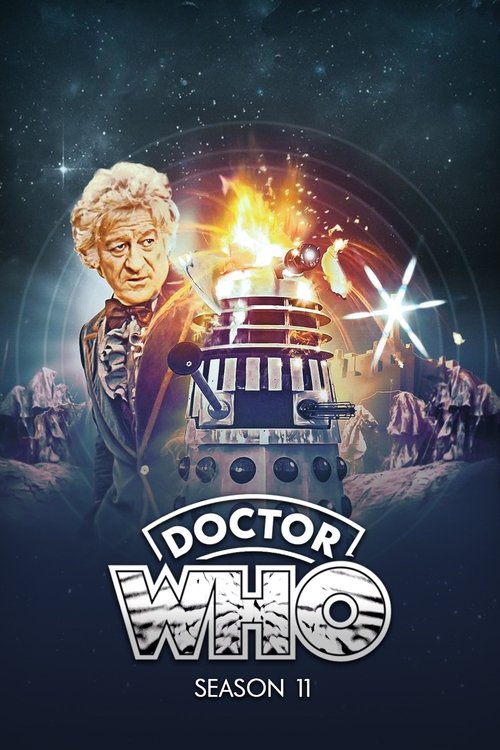
Season 11
Season 11
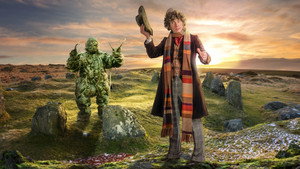
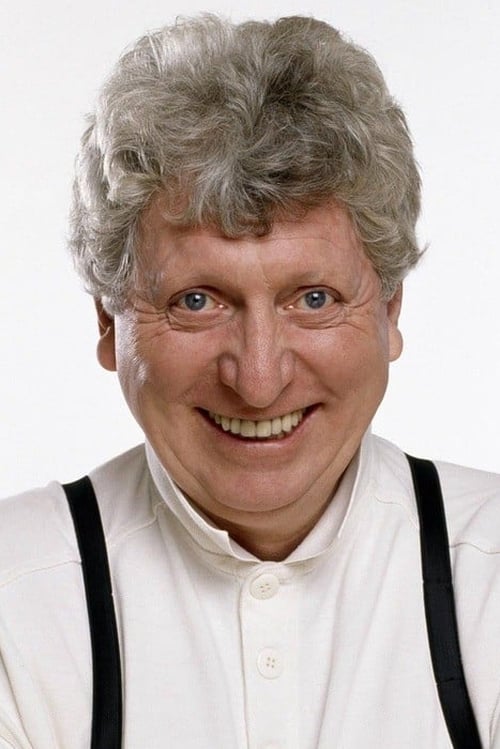
It was Jon Pertwee's final season as the Doctor and included, very briefly, the first appearance of Tom Baker as the Fourth Doctor. The Time Warrior, the season opener, introduced Sarah Jane Smith, who was a frequently featured character in the Doctor Who universe decades after her departure in Season 14. The same story also, for the first time, named the Doctor's homeworld as Gallifrey. UNIT also began to be phased out of the series during this season.
Episode Rating:
6.8/10
Release Date:
December 15, 1973
Episode Count:
26
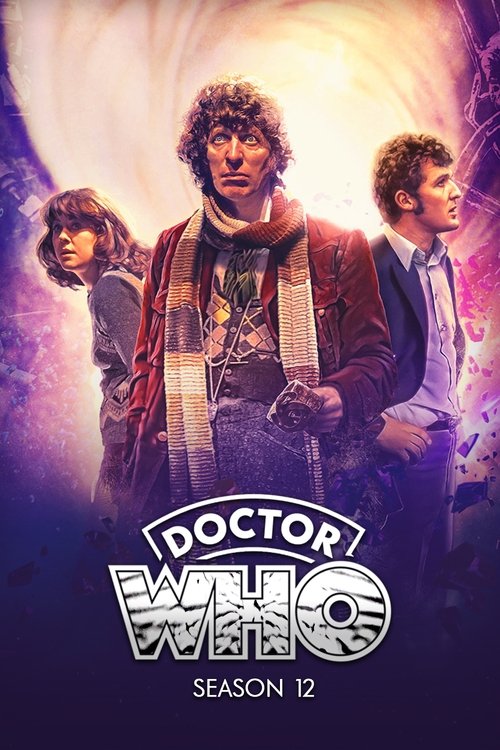
Season 12
Season 12
All the stories in this season were interconnected, several forming a loose story arc relating to Space Station Nerva. The Cybermen returned to the series for the first time since The Invasion. Genesis of the Daleks, a story which introduced Davros and showed the creation of the Daleks, is one of the most famous of all Doctor Who serials.
Episode Rating:
7.8/10
Release Date:
December 28, 1974
Episode Count:
20
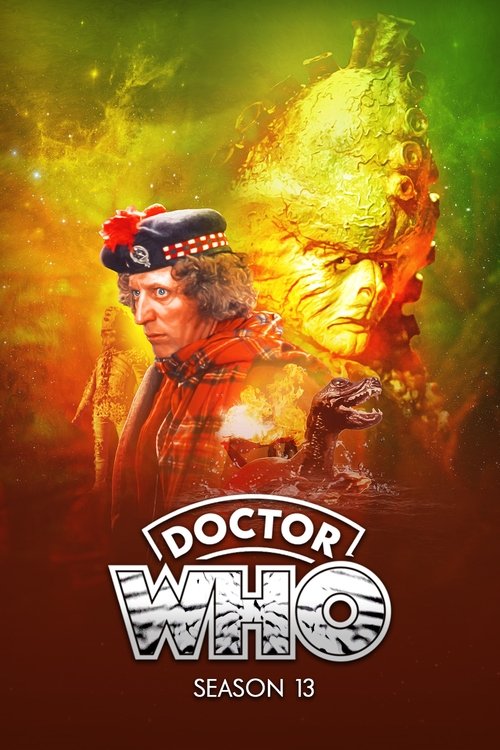
Season 13
Season 13
It was during this season that the Doctor cut ties to UNIT (after Terror of the Zygons, the Brigadier would not appear again until Mawdryn Undead in 1983, and The Seeds of Doom marked the last occasion to date that the Doctor was explicitly said to be working for UNIT - as opposed to working with them as occasions warranted). Several of the serials in this season, particularly Pyramids of Mars and The Brain of Morbius, are among the best-known of the 1970s-era storylines. Though it was aired as a part of Season 13, Terror of the Zygons was actually filmed as part of the previous season; this holdover allowed the series to switch back to an autumn season start.
Episode Rating:
7.6/10
Release Date:
August 30, 1975
Episode Count:
26
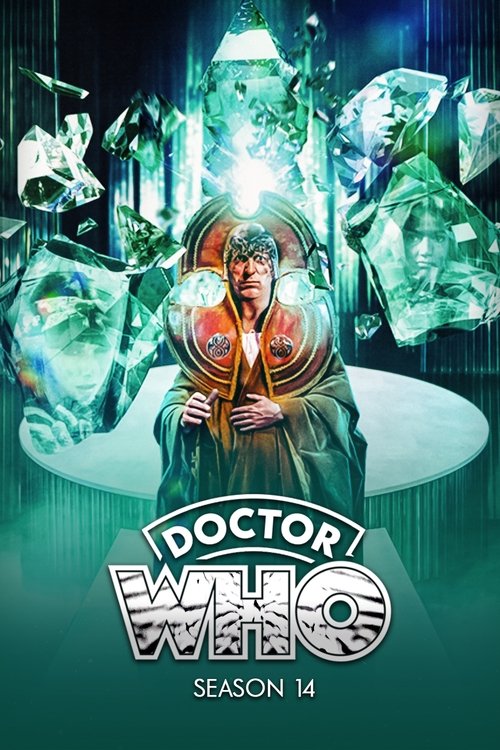
Season 14
Season 14
The season is notable for the departure of Sarah Jane Smith in The Hand of Fear and for The Deadly Assassin, a story set entirely on Gallifrey which expounded greatly upon the culture and history of the Time Lords, and the Eye of Harmony and Rassilon are mentioned for the first time. The Deadly Assassin also featured the return of the Decayed Master in a degenerated form and had the Doctor without a companion for an entire story for the first time in the history of Doctor Who. This story is also the first time the limit of regenerations is set.
Episode Rating:
7.5/10
Release Date:
September 04, 1976
Episode Count:
26
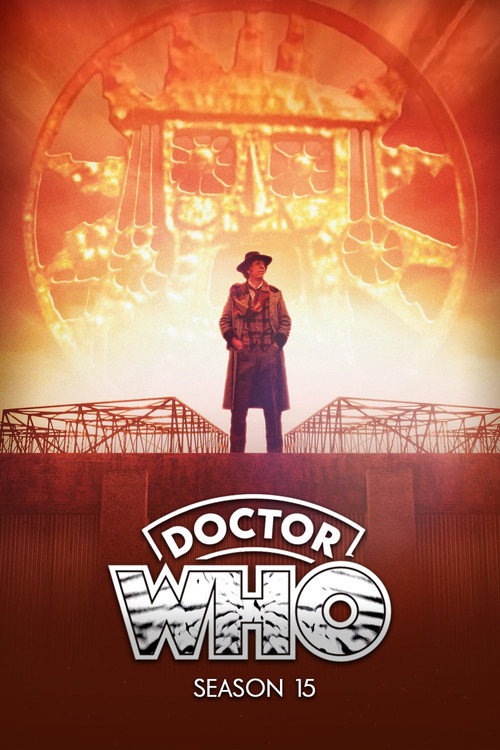
Season 15
Season 15
This season introduced K9 to the series and saw the departure of Leela. It was originally intended to include Terrance Dicks' story The Vampire Mutations but, due to a major BBC production of Dracula, it was postponed. It later became Season 18's State of Decay. To replace it, Dicks quickly scripted the season opener, Horror of Fang Rock. The season took a two week transmission break over the 1977 Christmas period, between the broadcast of part four of The Sun Makers and part one of Underworld.
Episode Rating:
6.7/10
Release Date:
September 03, 1977
Episode Count:
26
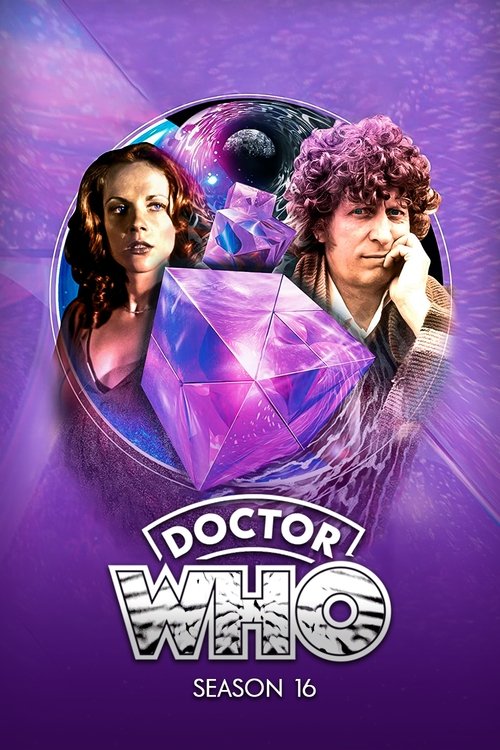
The Key to Time
The Key to Time
This season saw the introduction of the Black and White Guardians as well as the companion Romana, who became only the second female Time Lord companion since Susan. This season is sometimes colloquially known as The Key to Time season after the story arc involving the Key to Time. Although not the first season to consist of linked stories (Season 8 in 1971 was the first, as all the stories that year featured the Master), it was the first to be recognised as having a series long arc. Although multi serial arcs would occur again, such a full- season experiment wouldn't be attempted again until Season 23. The arc has a number of similarities to the Season 1 story The Keys of Marinus. The storyline was originally proposed for Season 15, but it required more planning.
Episode Rating:
6.7/10
Release Date:
September 02, 1978
Episode Count:
26
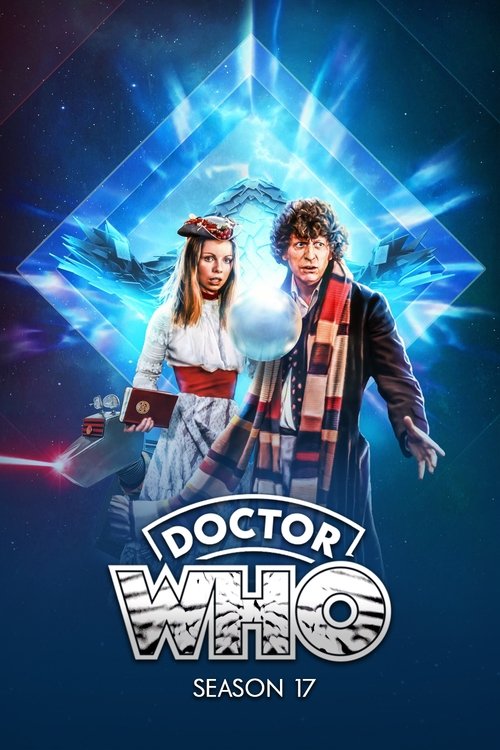
Season 17
Season 17
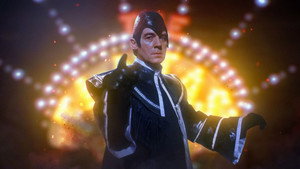
It consisted of five stories, plus the incomplete Shada, unfinished as a result of an industrial strike. Lalla Ward joined as Romana II, and the season is notable for the involvement of Douglas Adams in the writing department. This was the last season to use the traditional Delia Derbyshire "Doctor Who theme" arrangement.
Episode Rating:
6.9/10
Release Date:
September 01, 1979
Episode Count:
20
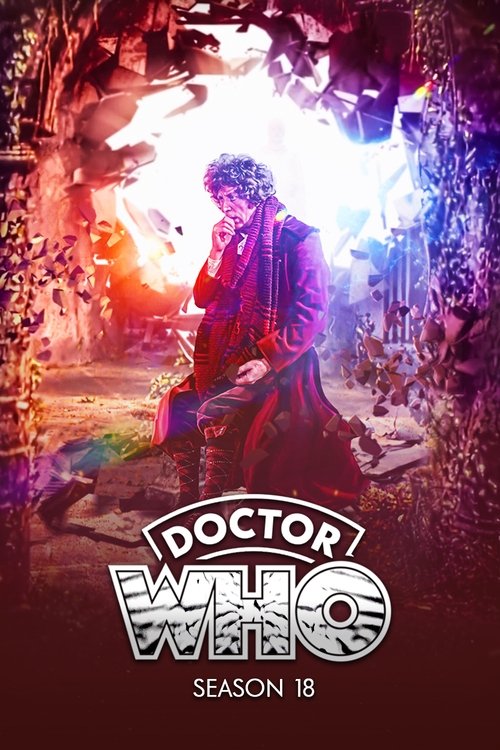
Season 18
Season 18
The season featured a story arc involving E-Space and the return of the Master who had stolen a new body rather than regenerate. The stories were darker and more adult in tone than those during the Graham Williams era. They also attempted to emphasise science, much to the satisfaction of both script editor Christopher H. Bidmead and executive producer Barry Letts. Notably, this season revolves around the theme of entropy, linking together all of its stories in a rare phenomenon for the show (while other story arcs would be linked together via people, objects, etc, the use of an overarching theme for a season was unprecedented). This theme would eventually foreshadow and culminate in the Doctor's regeneration at the end of the season.
Episode Rating:
6.7/10
Release Date:
August 30, 1980
Episode Count:
28
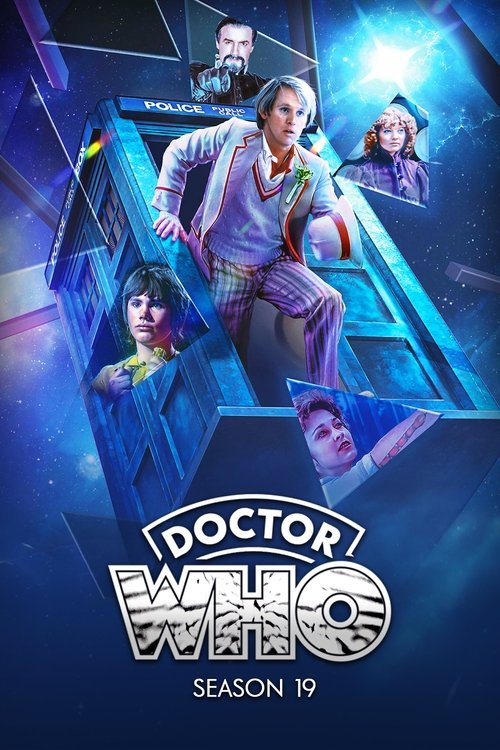
Season 19
Season 19
Two milestones occurred in Earthshock. Firstly, the Cybermen returned, unannounced, for the first time since Revenge of the Cybermen in 1975 with a completely different design, with David Banks' first appearance as Cyber-Leader, a role he would return to in subsequent stories involving the Cybermen until Silver Nemesis. Secondly, for the first time since The Daleks' Master Plan which had aired in 1965 and 1966, a companion died. Other milestones included Black Orchid, the first non-science fictional historical serial since 1966's The Highlanders, and the destruction of the Doctor's sonic screwdriver in The Visitation. A cliffhanger ending to the series appeared to have left Tegan stranded at Heathrow Airport with the Doctor abandoning her by mistake (the Doctor had spent most of the series trying to get Tegan back to Heathrow, which almost became a running theme).
Episode Rating:
6.9/10
Release Date:
January 04, 1982
Episode Count:
26
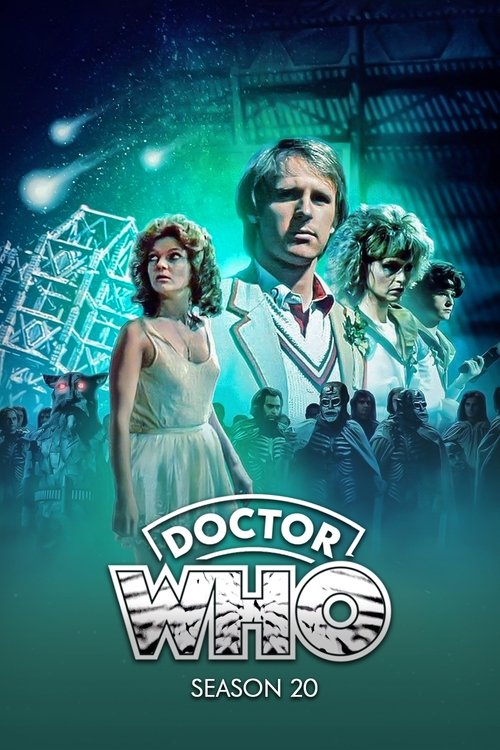
Season 20
Season 20
Structurally, the season retread season 18's formula of including a trilogy of stories bound together by an overarching theme. In this instance, the tripartite tale involved Turlough's attempts to kill the Doctor at the behest of the Black Guardian.
Episode Rating:
6.1/10
Release Date:
January 03, 1983
Episode Count:
22
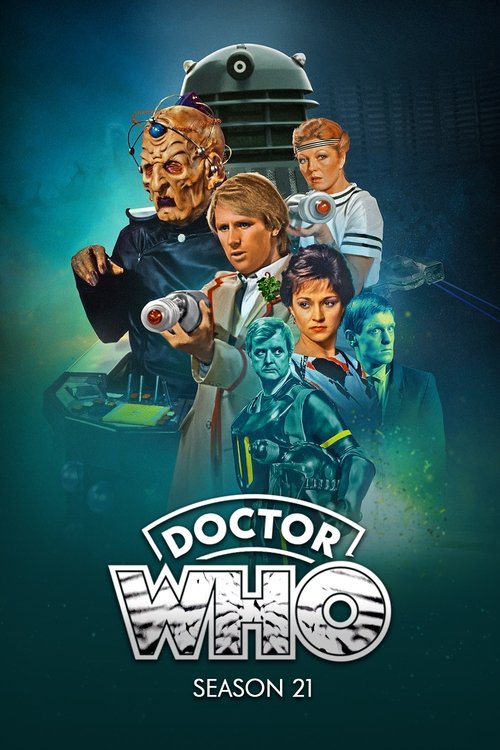
Season 21
Season 21
The Twin Dilemma, the first story with Colin Baker as the Sixth Doctor, aired last in the season. This season saw the departure of companions Tegan, Turlough and Kamelion and introduced Peri. Most episodes were the traditional twenty-five minute length. However, due to coverage of the 1984 Winter Olympics, Resurrection of the Daleks was re-edited before airing and shown as two forty-five minute episodes.
Episode Rating:
6.7/10
Release Date:
January 05, 1984
Episode Count:
24
Season 22
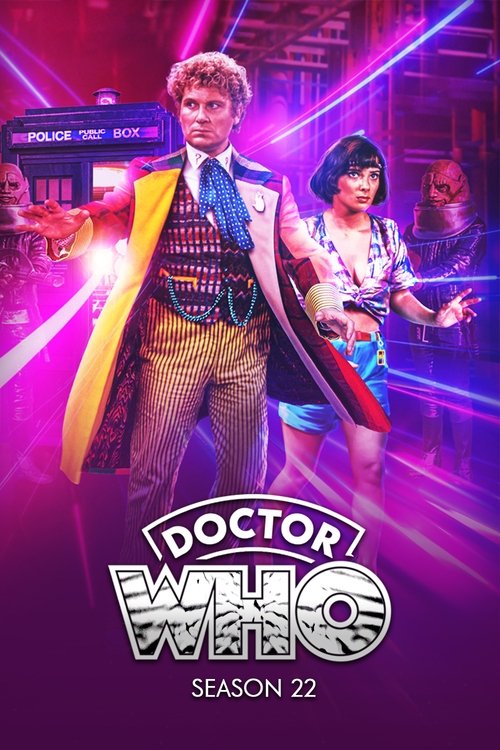
Season 22
With this season the BBC experimented with the format of the series, reducing the number of episodes to thirteen, but making each episode forty-five minutes long. The experiment did not result in improved ratings and at the end of the season the BBC announced it was cancelling the series; uproar from fans resulted in the BBC changing its mind and putting the series on an eighteen-month hiatus instead. This season is notable for featuring the final appearance of Patrick Troughton as the beloved Second Doctor, in a storyline that gave rise to a popular fan theory known as Season 6B.
Episode Rating:
5.4/10
Release Date:
January 05, 1985
Episode Count:
13
The Trial of a Time Lord
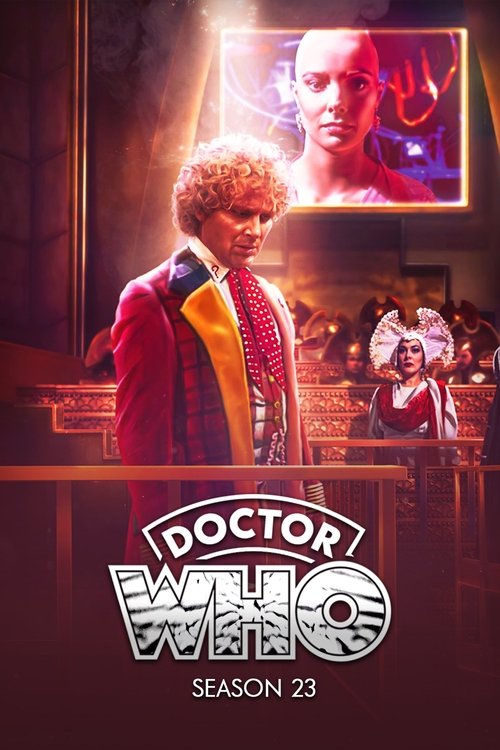
This season had a unique format, never again repeated in the show. Doctor Who had returned to production after a near-cancellation and an eighteen-month production hiatus. For the first time, a season consisted of a single story, The Trial of a Time Lord, although this was made up of four serials from a production perspective: each serial was written by a different person (save for The Mysterious Planet and the first part of The Ultimate Foe, both of which were written by Robert Holmes) and featured a different story presented as evidence, excluding the final two episodes which concluded the ongoing story of the trial; the trial storyline itself acted as a framing device to bracket the first three serials. As a result, whether The Trial of a Time Lord should be considered one story or four has been intensely debated. This single-story format, sometimes referred to as a "miniseries", would later be utilised for the third and fourth series of Torchwood.
Episode Rating:
5.4/10
Release Date:
September 06, 1986
Episode Count:
14
Season 24
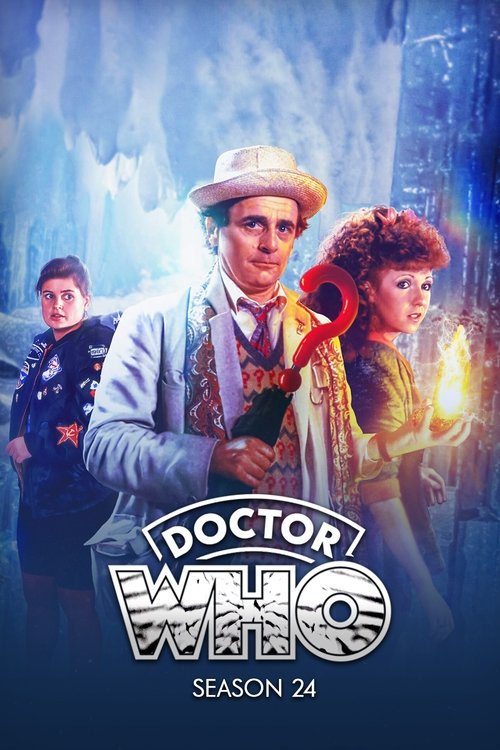
Season 24
Unlike season 23, there was no overall story arc, and the episode allotment - two four-episode stories, two three-episode stories - would be retained for the remainder of the original series. Notably, the season featured the introduction of new companion Ace, who would be a prominent figure in the spinoff fiction that kept the Doctor Who name alive following its cancellation in 1989 and was the final official onscreen companion until Rose Tyler in the revived series.
Episode Rating:
6.3/10
Release Date:
September 07, 1987
Episode Count:
14
Season 25
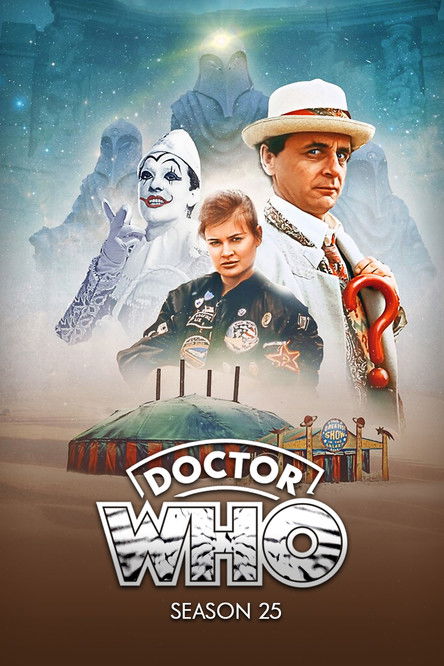
Season 25
As the silver anniversary season, it included several stories noting the milestone: Remembrance of the Daleks, which featured the final "classic series" appearance of the Daleks and Davros and which would feature scenes set at Coal Hill School and 76 Totter’s Lane, both significant locations in the first episode, An Unearthly Child; and Silver Nemesis, the final classic series appearance of the Cybermen, which had its first episode broadcast on the actual 25th anniversary of the series. It also showed the lighter side of the Seventh Doctor's personality fade and be replaced by darker qualities. The Greatest Show in the Galaxy was also the last episode to have the Doctor dressed in bright colours. This would also be the first season that would be recorded with the intention of, and be broadcast in, a stereo mix.
Episode Rating:
7.7/10
Release Date:
October 05, 1988
Episode Count:
14
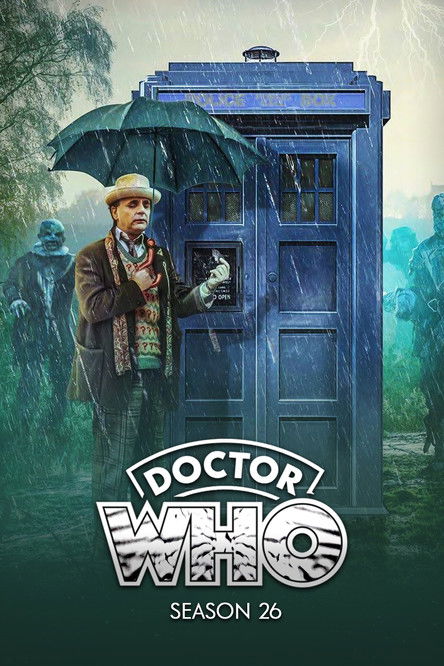
Season 26
Season 26
It was the final season of the "classic" series. Unusually for a Doctor Who season, aside from some scenes in Survival, all the stories took place on Earth. Apart from Battlefield, the stories followed a loose character arc, as Ace came to terms with her past. As for the Doctor, he had become darker in personality, treating others as pawns in the battle between good and evil while dressing in dark clothes to match his personality change. This was the first and so far only season to be produced entirely out of broadcast order.
Episode Rating:
7.4/10
Release Date:
September 06, 1989
Episode Count:
14

Reviews

cloister56

February 12, 2017

10/10

How do you review a show like Doctor Who that has been running for so long, enjoying dizzying highs and terrible lows (I'm looking at you The Twin Dilemma). The concept is the most open there can be. With the TARDIS the show can go anywhere and any when. This lead to a huge range in the stories, from historical with no alien involvement like The Aztecs (1964), to full on sci-fi like The Daleks (1963) and that was just the first series. The show created some of the most memorable monsters w...

Similar TV Shows

Frequently Asked Questions

Doctor Who has a total of 26 seasons.

Doctor Who first aired in 1963.

Doctor Who belongs to the following genres: Drama, Action & Adventure, Sci-Fi & Fantasy.

Doctor Who has a rating of 7.9/10 from 699 votes on TMDB.

No, Doctor Who has ended.

In the United States, Doctor Who is available to watch on: Britbox Apple TV Channel , BritBox, BritBox Amazon Channel, Amazon Video, Apple TV Store.