The Legend of Korra
Details
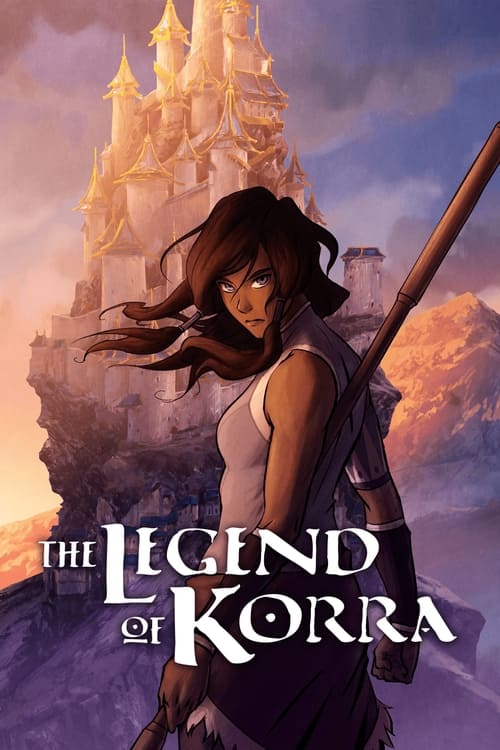


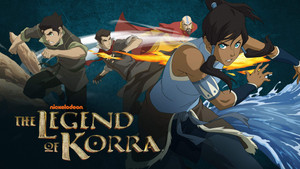
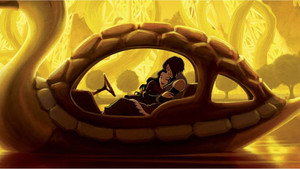
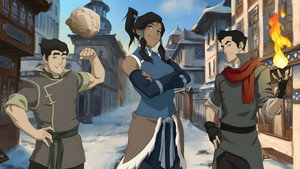
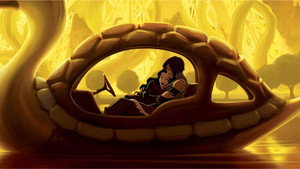
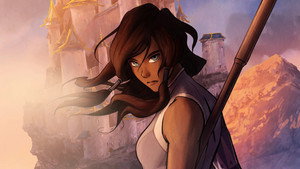
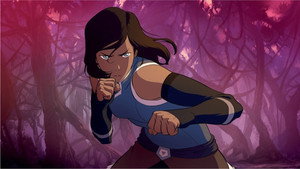
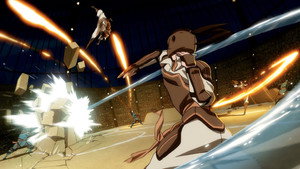
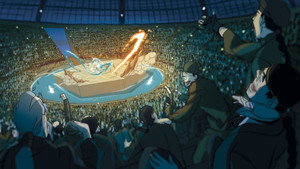
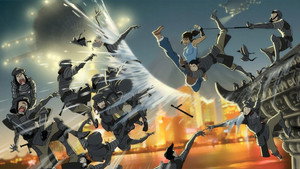
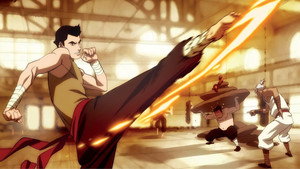
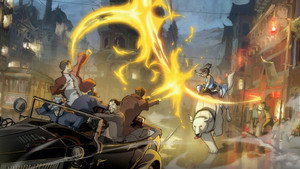
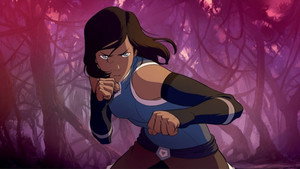
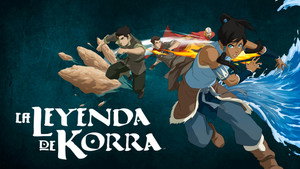
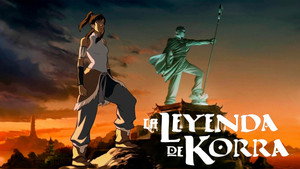
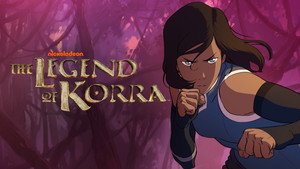
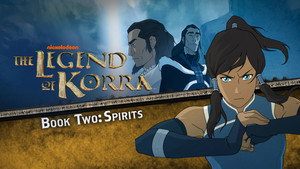
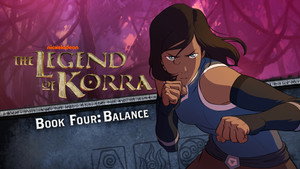
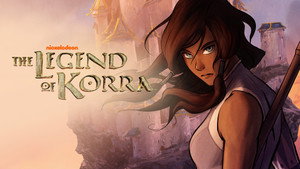
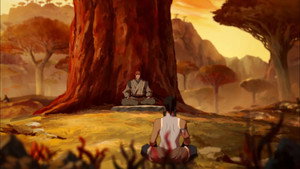
The story of a young woman who inherits Avatar Aang's legacy begins not with her predecessor's spiritual serenity, but with raw anger and stubbornness. Korra emerges as someone who does not fit the expectations of the deep-rooted Avatar tradition and has developed an instinctive resistance to every rule. This feature is what makes it both immersive and authentic. The series is structured as a deliberate departure from the epic fairy-tale quality of the previous work, The Last Airbender. Instead of bamboo forests and villages surrounded by earthen walls, it takes place in the crowded metropolis of Simsek Island, dominated by steam engines, radios and political discussions reminiscent of the industrial revolution. This steampunk touch shows that the universe grows in a living and organic way. It questions whether the world is changing, but that change does not always mean progress. Each season is treated almost as a separate story on its own, and each is built on a different threat and a different internal conflict. A wide thematic spectrum, ranging from egalitarian movements to political coups, loss and identity crisis, makes the structure an animation aimed only at children. Questions such as what is power, where legitimate authority ends, and how to balance individual freedom with social order are woven into the background of each season. Korra's journey is not merely a physical battle; it is primarily an inner reckoning. For someone who realizes their potential at an early age, understanding the true test lies in which environment it occurs constitutes the core depth of the series. Themes such as defeat, trauma, and rebuilding are addressed with an unusual courage and maturity. Especially in the later seasons, this boldness materializes in decisions that take the structure far beyond its era, both narratively and in terms of representation. The fight choreography is a reflection of the deep respect for Asian martial arts. The fact that each bending style is associated with a distinct worldview proves that aesthetics never remain superficial. The friction between spirituality and modernity, as a tension permeating the scenes, draws the viewer through the film, section by section. The Legend of Korra is one of those rare works that both entertains and makes you think, captivates and unsettles.



Pierrot

Nickelod...

Studio M...

Ginormou...
Media


Trailers
Cast








Writers & Directors



Seasons


Reviews

puncher
July 17, 2018
4/10
Art style, fight scenes, music, the show's production is great. But the series' story wasn't, starting from its characters - Korra's unwillingness to learn, Mako reduced to a side character, Bolin the tryhard funnyman, and Asami the Mary Sue- all throughout. Plots were resolved dramatically with asspulls and the villains were bland. The Legend of Korra wasted its potential to be the successful series after ATLA.
tmdb13547932
May 16, 2025
6/10
**SPOILERS AHEAD** **Season 1:** Season 1 overall I think is a decent start, unlike the predecessor, Korra did seasonal villains. Which honestly did not work, in this case Amon is fine and I did actually like the plot line. I was hoping we would go deeper into the aftermath when Amon fell, but that sadly never came. However, during the season he was a big threat and I felt like he had good reasons to start the cult. In some scenes I felt a bit sympathetic towards him but, this show rea...
Similar TV Shows










Frequently Asked Questions
The Legend of Korra has a total of 4 seasons.
The Legend of Korra first aired in 2012.
The Legend of Korra belongs to the following genres: Animation, Action & Adventure, Sci-Fi & Fantasy, Drama.
The Legend of Korra has a rating of 8.2/10 from 2,333 votes on TMDB.
No, The Legend of Korra has ended.
In the United States, The Legend of Korra is available to watch on: Paramount Plus Premium, Paramount Plus Essential, Paramount Plus Apple TV Channel , Paramount+ Amazon Channel, Paramount+ Roku Premium Channel.