
The Best Films Based on True Stories
The note "based on a true story" works like a kind of contract in cinema: the viewer takes their seat knowing that what they see on screen really happened somewhere, at some point — and their relationship with the story changes fundamentally. Coincidences, betrayals and triumphs that not even the most inventive screenwriter of fiction could invent are already written in the archive of real life. In this list, we have gathered cinema's most powerful works drawn from true stories under five thematic headings. To make reading easier, we have used a grouping that ranges from fraud and financial scandals to journalistic struggles, and from the lives of scientists to sports and music legends. True stories such as Schindler's List, The Pianist, 127 Hours, Captain Phillips and Society of the Snow, which appear in our survival films and drama films lists, we have left out of this one to avoid repetition; we highly recommend you look at those lists too.
Fraudsters, Money and Scandals
1. Catch Me If You Can (2002)
 8.0/10 2002 17215
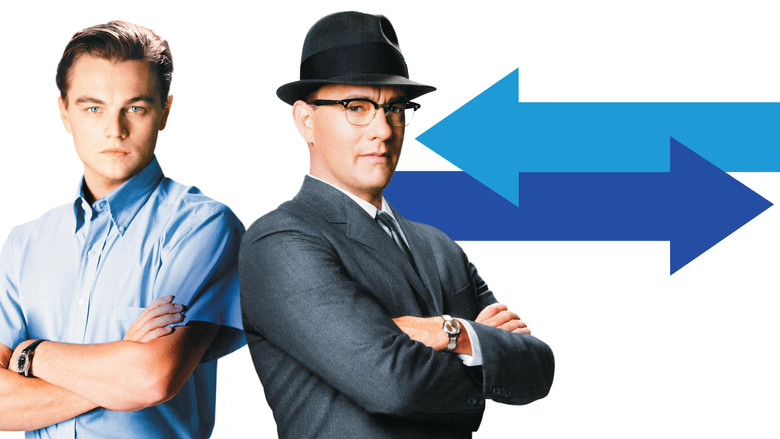
Directed by Steven Spielberg, the film was adapted from the self-reported autobiography of Frank Abagnale Jr., who — before turning 19 — assumed the identities of a pilot, a doctor and a lawyer and cashed forged checks worth millions of dollars. Against the performance of Leonardo DiCaprio, which carries both charisma and vulnerability, the cat-and-mouse game with the FBI agent Carl Hanratty, played by Tom Hanks, forms the narrative backbone of the film. Spielberg paired a dark subject like fraud with the pastel-toned, jazz-inflected aesthetic of the 1960s, creating one of the genre's most elegant examples; John Williams' award-nominated score is an inseparable part of that atmosphere. Christopher Walken, who plays Frank's father, received an Oscar nomination for Best Supporting Actor for his performance. At the heart of the film lies more than a crime story: the attempt of a child from a broken family to rebuild his lost life through false identities. Even though claims later emerged that part of Abagnale's account was exaggerated, this does not diminish the film's value — it even opens the door to the comment: "Perhaps a master con artist's greatest trick was his own story."
2. The Wolf of Wall Street (2013)
 8.0/10 2013 26076
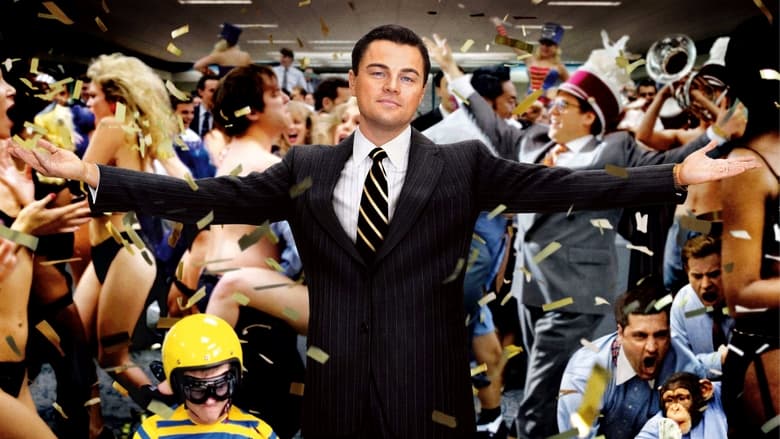
Directed by Martin Scorsese, the film was adapted, with a screenplay by Terence Winter, from the memoirs of stockbroker Jordan Belfort, who in the 1990s defrauded investors through his brokerage firm and made a fortune. Leonardo DiCaprio delivers one of the most unrestrained performances of his career, carrying Belfort's rise and moral decay for three hours with hypnotic energy; his physical comedy in the famous drug scene could become a course in acting all by itself. The partner Donnie played by Jonah Hill, an Oscar-nominated role, and the Naomi figure of the then-emerging Margot Robbie, which launched her career, are the other strong links in the cast. Scorsese deliberately takes the risk of using the language of excess to criticize excess: instead of condemning Belfort's world, the film exposes the viewer to the seduction of that world and, precisely through this, poses the uncomfortable question. Nominated for five Oscars, the film holds its place as one of the most energetic and controversial films about the greed of the financial world. The real Belfort appears in a brief role in the film's opening section.
3. The Social Network (2010)
 7.4/10 2010 13243
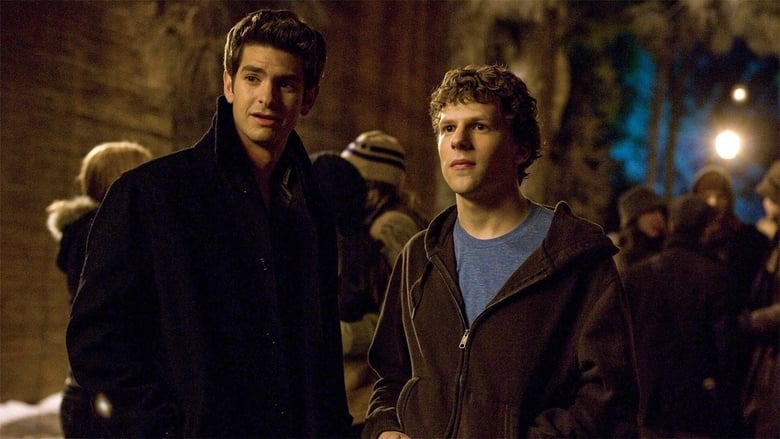
Directed by David Fincher, the film — whose screenplay, adapted by Aaron Sorkin from Ben Mezrich's book, won an Oscar — deals with the founding of Facebook and the lawsuits that came with it. The Mark Zuckerberg played by Jesse Eisenberg becomes one of cinema's most layered portraits of a real figure, a socially awkward but boundlessly ambitious genius; Andrew Garfield as the betrayed co-founder Eduardo Saverin and Justin Timberlake as Napster founder Sean Parker represent the emotional and moral poles of the narrative. Sorkin's machine-gun-paced dialogue, especially the nine-minute café scene at the start, became teaching material in the field of screenwriting. The Oscar-winning electronic score by Trent Reznor and Atticus Ross lends the story a cold and eerie modernity. In 2010, on its release, the film was seen as a founding story; today it is being reread as an almost prophetic document of an age in which social media transformed the world. The line "How does the youngest CEO of a $300 million company lose his only friend?" sums the film up neatly.
4. The Big Short (2015)
 7.4/10 2015 9895
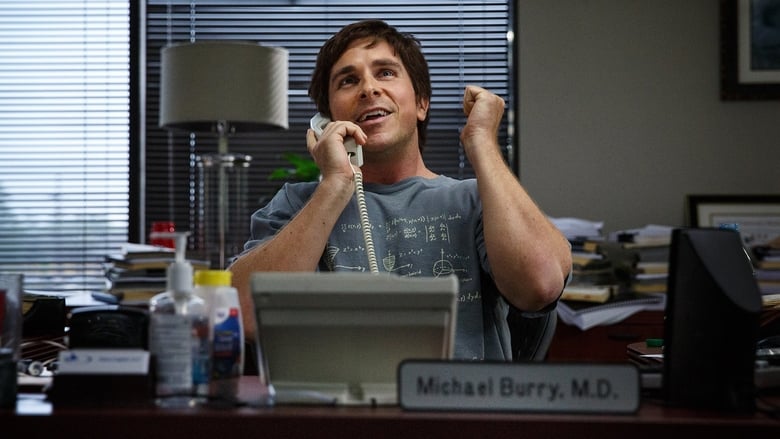
Directed by Adam McKay, the film was adapted from the book of the same name by Michael Lewis and tells the story of the 2008 global financial crisis — more precisely, of a handful of investors who saw the crisis coming earlier than anyone else. The fund manager Michael Burry, played by Christian Bale, with a glass eye and listening to heavy metal while he works, is the first to notice the mathematical proof of the housing market's collapse; the never-subsiding, furious Mark Baum played by Steve Carell and the narrator-banker who speaks directly into the camera, played by Ryan Gosling, are the other strong performances in the cast. McKay's boldest decision is the use of cutaways in which celebrity guests — such as Margot Robbie, who explains financial terms in a bubble-filled bathtub — explain the off-putting technical concepts like credit derivatives directly to the viewer; this method generates humor and makes the film accessible in terms of financial literacy. Awarded the Oscar for Best Adapted Screenplay, the work moves in the rhythm of comedy but leaves the viewer alone with a heavy truth in the finale: no one went to prison, and the bill was handed to ordinary people. One of those rare films that makes you angry but educates you while making you angry.
5. The Founder (2016)
 7.1/10 2016 5421
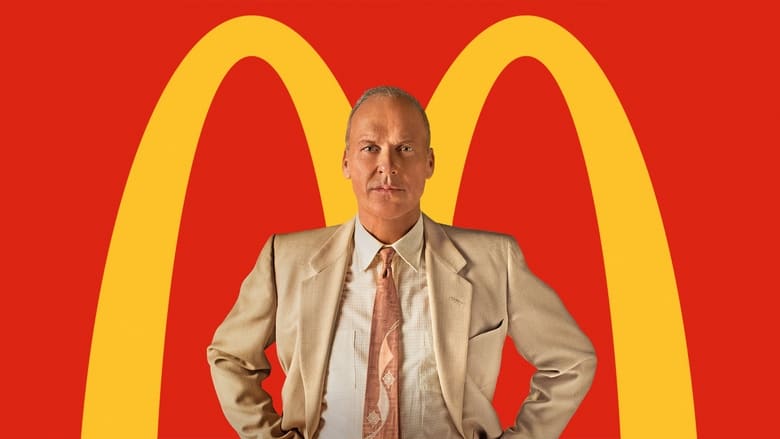
Directed by John Lee Hancock, the film tells the story of Ray Kroc, who turned McDonald's into a global empire but was not the person who founded the brand. In 1954, the 52-year-old Kroc, selling kitchen mixers, encounters the McDonald brothers' revolutionary fast-service system in California and recognizes the potential of this invention far more clearly than the brothers themselves. Michael Keaton portrays Kroc's transformation from a likeable opportunist into a ruthless empire-builder with a masterful performance that tests the viewer's loyalty step by step; the fact that Nick Offerman and John Carroll Lynch play the brothers, the true inventors of the system, gives the film both warmth and tragedy. The film shows the rarely told side of the American dream: sometimes the winner is not the one who invents, but the one bold enough to appropriate the invention. The line "Contracts are like hearts — they're meant to be broken" sums up Kroc's business ethics. For everyone who finds entrepreneur stories inspiring, an uncomfortable — and precisely for that reason essential — watch.
6. Goodfellas (1990)
 8.5/10 1990 14477
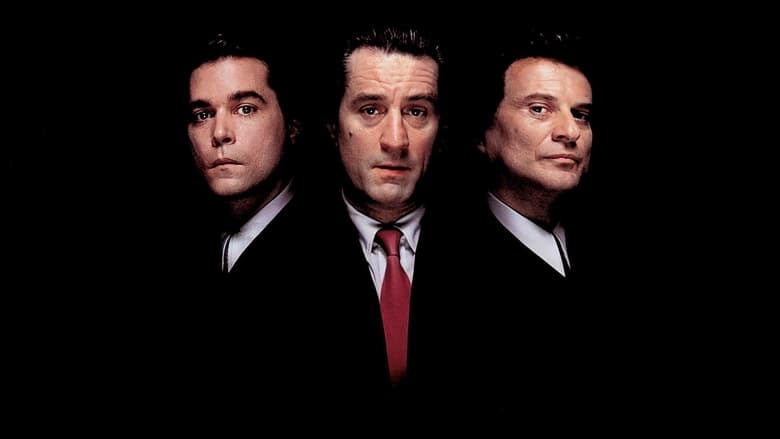
Adapted by Martin Scorsese from the book "Wiseguy" by journalist Nicholas Pileggi, the film deals with the real life of Henry Hill, who between 1955 and 1980 grew up in the mafia, rose within it, and in the end lost everything. Against the Henry carried in voiceover by Ray Liotta stand the cold-blooded Jimmy Conway of Robert De Niro and the ever-ready-to-explode Tommy DeVito of Joe Pesci. Pesci won the Oscar for Best Supporting Actor with this performance, identified with the "What do you mean, funny?" scene, and it is known that this famous scene was largely improvised. Scorsese's uninterrupted tracking shot following the characters through the back entrance into the Copacabana club is among the most analyzed scenes in film history. The film tells mafia life not with the operatic gravity of The Godfather but with an everyday, seductive and precisely therefore terrifying ordinariness. The work, whose name appears without exception on every list when the masterpieces of crime cinema are discussed, is one of the strongest proofs that a real life can be more astonishing than any fiction.
7. Molly's Game (2017)
 7.2/10 2017 4040
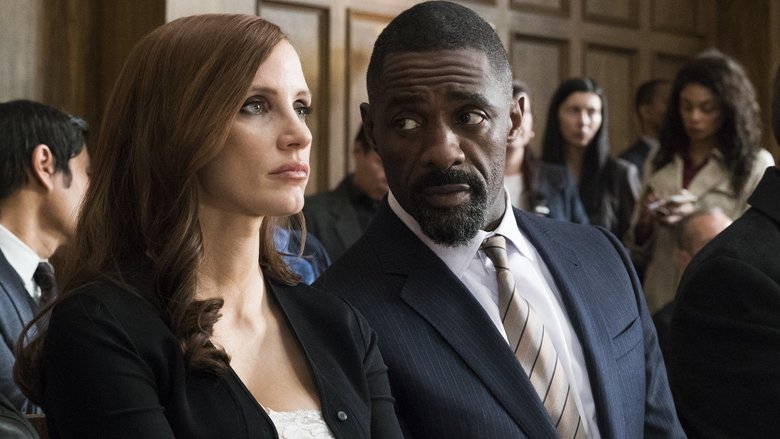
The film, in which screenwriting master Aaron Sorkin sat in the director's chair for the first time, was adapted from the memoirs of Molly Bloom, who, after an injury as an Olympic ski hopeful, became the organizer of illegal poker games attended by elites from Hollywood and Wall Street. Jessica Chastain delivers, at the center of the film, what amounts to a demonstration of power with a performance that carries Bloom's intelligence, ambition and principles all at once; the office scenes with Idris Elba in the role of her defense attorney are an example of how Sorkin's dialogue turns into a duel in the hands of two master actors. The late reckoning scene on the ice rink with the father played by Kevin Costner is the emotional climax of the film. Sorkin's Oscar-nominated screenplay possesses a narrative clarity that seats even a viewer completely unfamiliar with poker terminology at the table. The film draws an unexpected lesson in integrity from a story that promises scandal: Molly's refusal to reveal her clients' names at the price of losing everything raises the story from a glorification of crime into a character study.
8. I, Tonya (2017)
 7.5/10 2017 6218
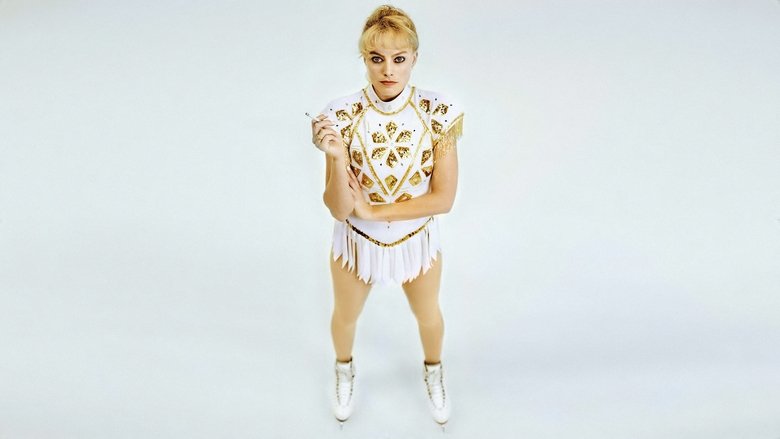
Directed by Craig Gillespie, the film tells the story of figure skater Tonya Harding, whose name was dragged into scandal by the 1994 attack on her rival Nancy Kerrigan, in the format of a mockumentary with contradictory witness testimonies. This narrative choice offers a clever framework that questions the very concept of the "true story." Margot Robbie, who also serves as producer, embodies Harding's rage, her talent and her never-quenched hunger for recognition with an Oscar-nominated courage; in a large part of the on-ice scenes, months of skating training pay off. But perhaps the film's most unforgettable character is the mother LaVona, played by Allison Janney with a parrot on her shoulder and a cigarette in hand, who has mixed her love with cruelty — for which Janney won the Oscar for Best Supporting Actress. The film does not try to whitewash a figure declared a "bad woman" by the media; instead, it shows how poverty, abuse and class prejudice shaped an athlete's fate. With its masterful balance of black comedy and tragedy, and with a structure that breaks the patterns of the biopic, the work is one of the most distinctive examples of the genre in recent times.
Journalism and the Struggle for Justice
9. Spotlight (2015)
 7.8/10 2015 8830
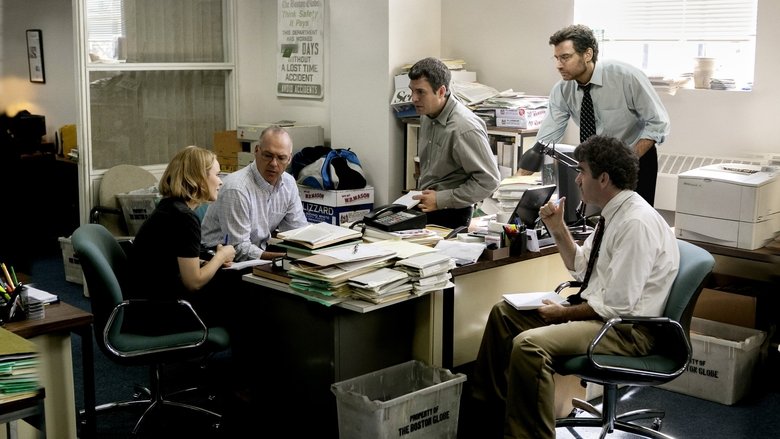
Directed by Tom McCarthy and awarded the Oscar for Best Picture, the work deals with the Pulitzer-winning 2001–2002 investigation by the Boston Globe's "Spotlight" investigative team, which uncovered the systematic abuse within the Catholic Church and its institutional cover-up. The cast of Michael Keaton, Mark Ruffalo, Rachel McAdams and Liev Schreiber acts with a restrained understanding of performance that serves not star turns but teamwork itself — and this choice aligns exactly with the essence of the journalism shown in the film. On a subject most easily suited to sensation, McCarthy keeps his camera consistently restrained; instead of dramatic musical outbursts or heroic moments, he shows the methodical labor of journalists going door-to-door, combing through archives and staying persistent on the phone. Ruffalo's single outburst of anger is shattering precisely because it comes amid this calm. The film, which also won the Oscar for Best Original Screenplay, sinks the viewer into a deep silence with the list of scandals that runs before the end credits. The strongest modern manifesto on the importance of investigative journalism.
10. Erin Brockovich (2000)
 7.4/10 2000 3673
Directed by Steven Soderbergh, the film is the true story of an unemployed, three-child single mother with no legal training who discovers that the energy company PG&E is poisoning a small town's drinking water and leads one of the largest damage lawsuits in American history. Julia Roberts won the Oscar for Best Actress with this role, regarded as a turning point in her career; Brockovich's bold clothing, her sharp tongue and her never-a-step-back attitude combined with Roberts' star identity to create an unforgettable screen figure. Albert Finney as the grumpy attorney Ed Masry, who hires her, turns the duo's verbal sparring into one of the film's most enjoyable veins. Soderbergh's plain and character-focused direction keeps the story from sliding into a hero narrative and holds it as a down-to-earth struggle story. That the real Erin Brockovich appears in the film in a small role — and, no less, as a waitress named "Julia" — is one of the work's elegant details. A story about being the voice for those overlooked by the system, drawing its power from its truthfulness.
11. All the President's Men (1976)
 7.7/10 1976 2096
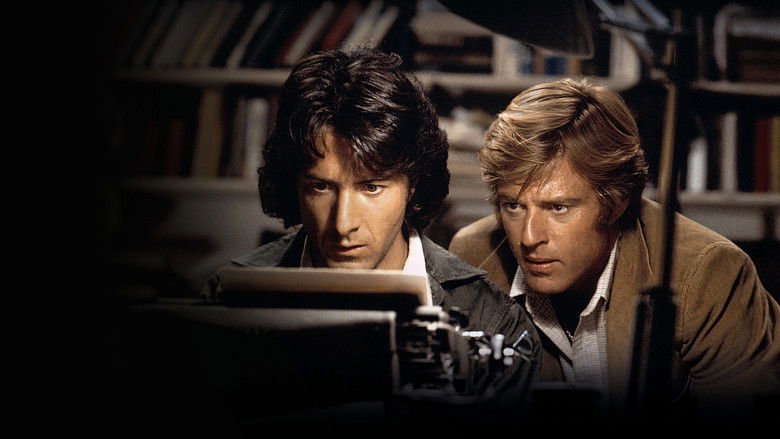
Directed by Alan J. Pakula, the film brought to the screen the investigations of Washington Post reporters Bob Woodward and Carl Bernstein, who uncovered the Watergate scandal step by step and set in motion the process that led to a president's resignation — when only two years had passed since the events. The meetings of the duo, played by Robert Redford and Dustin Hoffman, with the secret source "Deep Throat" in dark parking garages are among the scenes seared into cinema's memory of suspense; Jason Robards, who plays the legendary editor Ben Bradlee, won the Oscar for Best Supporting Actor with this role. The line "Follow the money," which the Oscar-winning screenplay by William Goldman added to the film, became — though it was never actually said — the universal watchword of investigative journalism. The visual contrast Pakula creates between the bright newspaper office and the shadowy outside world translates the labor of the search for truth into an almost architectural language. Despite being nearly half a century old, the film gains new relevance in every period when debates over press freedom flare up; the still-unsurpassed peak of its genre.
12. Zodiac (2007)
 7.5/10 2007 11634
Directed by David Fincher, the film tells of the reign of terror of the Zodiac Killer, who terrorized San Francisco in the late 1960s, whose identity has still never been officially established, and who operated with encrypted letters, based on a screenplay adapted from the books of cartoonist Robert Graysmith. The obsession-turned amateur investigation of Graysmith, played by Jake Gyllenhaal, together with the detective of Mark Ruffalo and the crime reporter driven to collapse played by Robert Downey Jr., draws three separate portraits of the destruction that the dead end within the human psyche inflicts. Fincher, known for his meticulousness about historical accuracy, reconstructed the sites of the events and the atmosphere of the period with documentary precision; that some scenes were reshot dozens of times is among the legends of the production process. The film deliberately refuses the customary satisfaction mechanisms of the serial killer genre: here there is no captured murderer, no solved case; only people who consume their lives chasing the truth. Precisely through this choice, Zodiac — though it did not receive the attention it deserved at its first release — came over the years to be recognized as one of the peaks of Fincher's filmography.
13. Argo (2012)
 7.3/10 2012 9006
The film, in which Ben Affleck both directed and took the lead role, tells the true story of how six American diplomats who escaped the storming of the U.S. embassy in Tehran during the 1979 Iranian Revolution and took refuge in the Canadian ambassador's house were smuggled out of the country with an incredible plan: CIA agent Tony Mendez proposes to take the diplomats abroad as the Canadian crew of a science-fiction film that would never be shot. The Oscar-winning screenplay by Chris Terrio masterfully balances the dose of Hollywood satire and espionage suspense; the producer duo who set up the fake film, played by Alan Arkin — who received an Oscar nomination for it — and John Goodman, shoulder the film's comic load with the line "Argo fuck yourself." Affleck interweaves period archive footage with his own scenes and gives the work a documentary texture; the final airport sequence is a textbook example of how to generate suspense from a story with a known outcome. The work, awarded the Oscar for Best Picture, is proof that reality is sometimes more incredible than the most exaggerated screenplay — and that was also the slogan of the operation: "This is our best bad idea."
14. Hotel Rwanda (2004)
 7.7/10 2004 3189
Directed by Terry George, the film tells the true story of hotel manager Paul Rusesabagina, who during the 1994 Rwandan genocide turned the luxury hotel he ran into a refuge and saved the lives of more than 1,200 people. Don Cheadle, in a performance regarded as the peak of his career and crowned with an Oscar nomination, works out with exceptional finesse how Rusesabagina turns his diplomatic cunning, bribery, flattery and bluff into weapons of survival; Sophie Okonedo, who plays his wife, also received an Oscar nomination that same year. Instead of showing directly the genocide in which hundreds of thousands lost their lives within a hundred days, the film prefers to make the horror felt through the echoes bouncing off the hotel walls — and this restraint multiplies the impact rather than diminishing it. The international community's turning away from the crisis forms the film's sharpest line of criticism; the abandonment summed up by a UN officer's words "You're Africans" leaves the viewer with a lingering sense of shame. One of the films in which cinema most powerfully fulfills its duty of remembering and bearing witness.
15. BlacKkKlansman (2018)
 7.5/10 2018 8134
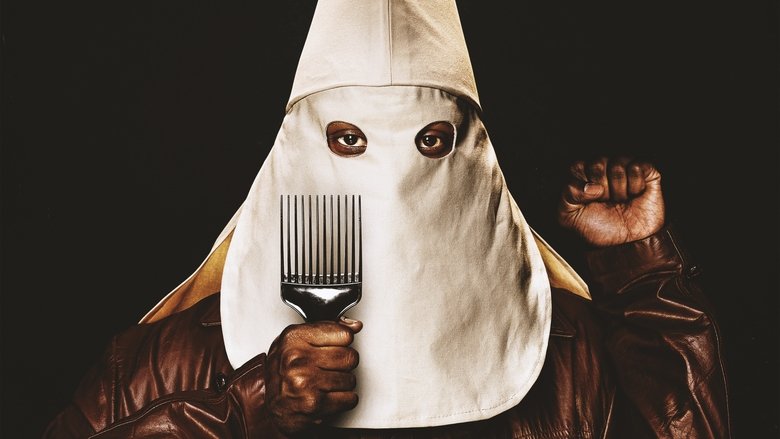
Directed by Spike Lee, the film tells the — yes, truly happened — story of Ron Stallworth, the first Black detective on the Colorado Springs police force in the 1970s, who managed to infiltrate the Ku Klux Klan by telephone. While Stallworth conducts the phone calls, his Jewish colleague Flip, played by Adam Driver, attends the in-person meetings; this absurd but real construction supplies the film with both suspense and a ground of sharp irony. John David Washington's charismatic lead performance and Driver's Oscar-nominated acting are the carriers of Lee's storytelling, which melts anger and humor in the same crucible. Awarded the Grand Prix at Cannes, the film also brought Lee the first competitive Oscar of his career (Best Adapted Screenplay). The director's boldest move comes in the finale: while the story closes in the '70s, the film connects it to the present with current archive footage and hurls in the viewer's face that racism is not a historical matter but an ongoing reality. A work that entertains and disturbs at once, that makes you laugh while holding you to account.
Science, Genius and History
16. Oppenheimer (2023)
 8.0/10 2023 11954
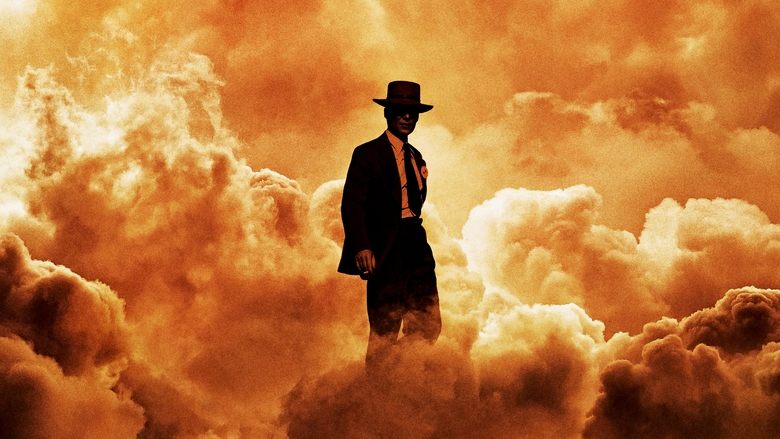
Adapted by Christopher Nolan from the Pulitzer-winning biography "American Prometheus" by Kai Bird and Martin J. Sherwin, the film unites the rise of the father of the atomic bomb, J. Robert Oppenheimer, the Trinity test, and his fall arriving with the postwar security hearing in a three-hour narrative. Cillian Murphy won the Oscar for Best Actor with his performance carrying the physicist's genius and moral collapse, while Robert Downey Jr. also received the award for Best Supporting Actor in the role of Lewis Strauss; the enormous cast, which also includes Emily Blunt, Matt Damon and Florence Pugh, offers one of the densest gatherings of actors in modern cinema. Nolan rendered the Trinity explosion without computer effects, using practical methods; the structure in which the color sequences represent Oppenheimer's subjective view and the black-and-white sections Strauss's perspective brings a structural innovation to the biopic genre. Awarded 7 Oscars, including Best Picture and Best Director, the work also achieved box-office success unprecedented for a biopic. The weight of the line "Now I am become Death, the destroyer of worlds" permeates every frame of the film; the most comprehensive cinematic work on the moral responsibility of science.
17. The Imitation Game (2014)
 8.0/10 2014 18164
Directed by Morten Tyldum, the film adapts the story of mathematician Alan Turing, who cracked Nazi Germany's Enigma encryption system in World War II, from the comprehensive biography by Andrew Hodges with the Oscar-winning screenplay by Graham Moore. Benedict Cumberbatch delivers an Oscar-nominated performance that peels back layer by layer the genius, social maladjustment and deep loneliness of Turing, regarded as the founder of modern computer science; Keira Knightley, in the role of the team's only female member Joan Clarke, was likewise honored with a nomination. While the film tells the struggle to break the code at Bletchley Park at the pace of an intelligence thriller, it saves its real blow for the last section: Turing, credited with shortening the war and saving millions of lives, was convicted for his homosexuality, sentenced to chemical castration, and lost his life at 41. The official apology and royal pardon came only decades later. The line "Sometimes it is the very people no one imagines anything of who do the things no one can imagine" is at once the film's motto and its legacy. A shattering biography in which one of the greatest debts and one of the greatest injustices in the history of science meet in one and the same life.
18. The Theory of Everything (2014)
 7.8/10 2014 11158
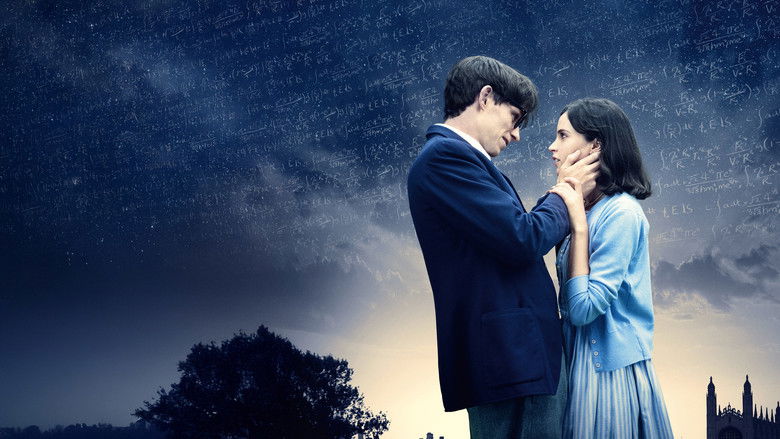
Directed by James Marsh, the film adapts the story of physicist Stephen Hawking from an unusual source — the memoirs of his first wife Jane Hawking — and thus tells a genius's biography as, at the same time, the story of a marriage and a sacrifice. Eddie Redmayne won the Oscar for Best Actor by embodying the brilliant Cambridge doctoral student's gradual imprisonment within his own body by motor neurone disease, with months of physiotherapy-guided preparation and extraordinary physical control; that he carries the progression of the disease consistently despite the non-chronological shooting order is one of the most praised aspects of the performance. Felicity Jones, in the role of Jane, gives the story's invisible heroine the depth she deserves with her Oscar nomination. That the synthesized voice heard in the film is the scientist's real voice, coming from his own device, is one of the work's most touching details. Instead of leaning on an inspirational framing such as "a man given two minutes to live explains the universe," the film also honestly shows the human cost in the shadow of genius. The elegant portrait of a life in which a man who researches time lived racing against time.
19. Hidden Figures (2016)
 8.0/10 2016 10502
Directed by Theodore Melfi and adapted from the book by Margot Lee Shetterly, the film brings to light the story of the three Black mathematicians Katherine Johnson, Dorothy Vaughan and Mary Jackson, who played a decisive role in the United States winning the space race but were long overlooked by history. The Katherine Johnson played by Taraji P. Henson is the brilliant mathematician who checks by hand the orbital calculations of astronaut John Glenn; that Glenn said "get the girl to check the numbers" before launch and explicitly asked for her is a moment truly recorded by history. Octavia Spencer's Oscar-nominated Dorothy Vaughan and Janelle Monáe's fiery Mary Jackson represent the three different fronts of the struggle: calculation, technology and law. The film tells the everyday mechanics of discrimination more effectively than grand speeches. Nominated for three Oscars, including Best Picture, the work also exceeded expectations at the box office and proved how great a public echo these stories have. An exemplary work in which the missing pages of the history of science are completed with the help of cinema.
20. First Man (2018)
 7.0/10 2018 5694
Adapted by Damien Chazelle from the official biography by James R. Hansen, the film deals with Neil Armstrong's path to becoming the first human to set foot on the Moon from an inward-turned perspective that refuses all the patterns of the hero narrative. Ryan Gosling turns Armstrong's famous reticence not into an acting obstacle but into the film's very subject: this is the story of a father who lost his little daughter and carries his grief all the way to the Moon. The scene with the wife Janet, played by Claire Foy — "Tell them you may not come back to your children" — sums up all by itself the cost of the space program on the domestic front. Chazelle builds the space sequences not with wide, clean images but with trembling shots from inside the cockpit, with metal creaking and jolting, and lets the viewer feel physically how fragile those capsules really were; with this approach the film won the Oscar for Best Visual Effects. The final sequence on the lunar surface offers, instead of the expected victory celebration, a highly personal moment of farewell that takes place in absolute silence. One of the most mature films of its genre, telling the quiet grief behind one of the greatest achievements in history.
21. The King's Speech (2010)
 7.7/10 2010 9352
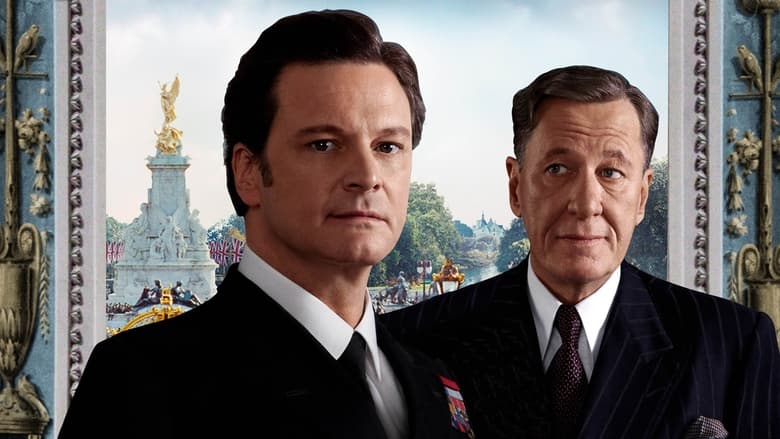
Directed by Tom Hooper and awarded 4 Oscars, including Best Picture, the work tells the struggle of King George VI, who unexpectedly becomes king through his brother's abdication, with his severe stammer, and the friendship he forms with the unconventional speech therapist Lionel Logue. Colin Firth embodies the speech difficulty that makes each of the king's public appearances a torment, and the childhood wounds beneath it, with a delicate performance that earned him the Oscar for Best Actor; the class-wall-demolishing relationship between him and the Australian therapist without a diploma but with unshakeable methods, played by Geoffrey Rush, is the beating heart of the film. That screenwriter David Seidler had himself stammered in childhood and waited to write this story until the Queen Mother's death lends the project a personal dedication spanning decades. Seidler was 73 when he received his Oscar. The radio address to be delivered to millions with the declaration of World War II offers a masterful finale that presses the film's entire tension into a single room and a single microphone. An elegant historical drama that reminds us that courage is not always to be sought on the front lines.
22. Hacksaw Ridge (2016)
 8.2/10 2016 14966
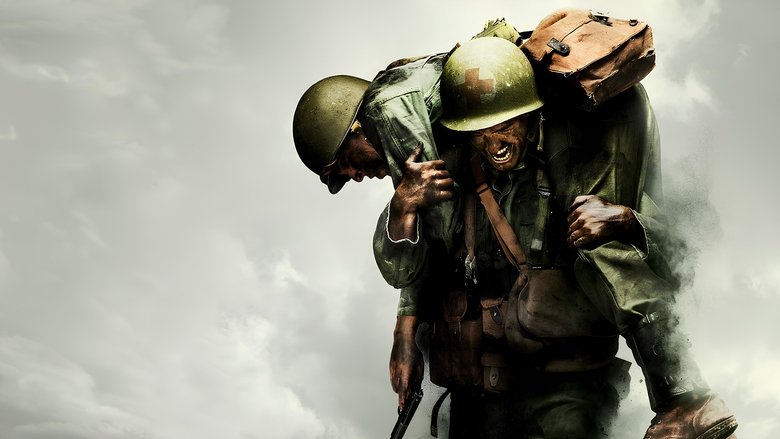
Directed by Mel Gibson, the film tells the true story of Desmond Doss, who in World War II — despite his faith-based refusal to take up a weapon — joined the army as a medic and, in the Battle of Hacksaw Ridge on Okinawa, single-handedly carried 75 wounded soldiers from the front line. Doss went down in history as the first conscientious objector to receive the Medal of Honor without using a weapon. Andrew Garfield delivers an Oscar-nominated performance that unites Doss's gentleness and iron will in one and the same body. The film consists of what feel like two separate works: the first half is a naive love story in Virginia and a struggle of principle reaching all the way to a court-martial; the second half is one of the most shattering battle sequences of war cinema. Gibson shows the horror of the front unvarnished and at the same time turns each rescue by Doss, moving about unarmed amid this violence with the prayer "Lord, one more," into what amounts to a spiritual resistance. Awarded two Oscars in the categories of editing and sound mixing, the work offers one of the most extraordinary definitions of courage: to be a hero by refusing to kill.
23. Dallas Buyers Club (2013)
 7.9/10 2013 9124
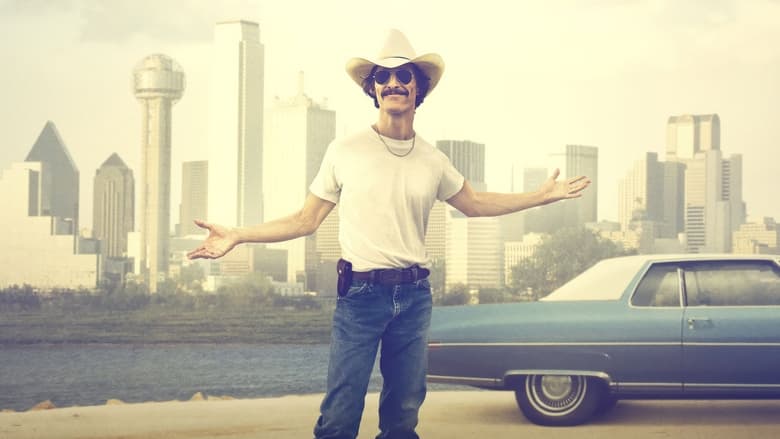
Directed by Jean-Marc Vallée, the film is the true story of Texan electrician and rodeo rider Ron Woodroof, who in 1985 was diagnosed with AIDS and given 30 days to live, and who with a "members' club" — for which he procured from abroad drugs not approved in the U.S. — both extended his own life by years and fought against the system. Matthew McConaughey won the Oscar for Best Actor with the physical transformation for which he lost over 20 kilos and the character journey on which he sheds, step by step, the prejudices of a homophobic provincial; Jared Leto, who plays the trans woman and business partner Rayon, also received the Oscar for Best Supporting Actor. Shot in just 25 days and on an extremely tight budget — that the makeup budget was only 250 dollars yet the film won the Oscar in that very category is one of the famous anecdotes of the production history — the film became proof that independent cinema can achieve the impossible. Vallée's non-intervening storytelling, conducted largely with a handheld camera, keeps the story hard and honest without sliding into sentimentality. A work that keeps its relevance in every period when the will to live collides with bureaucracy.
True Stories from Sports History
24. Moneyball (2011)
 7.3/10 2011 5832
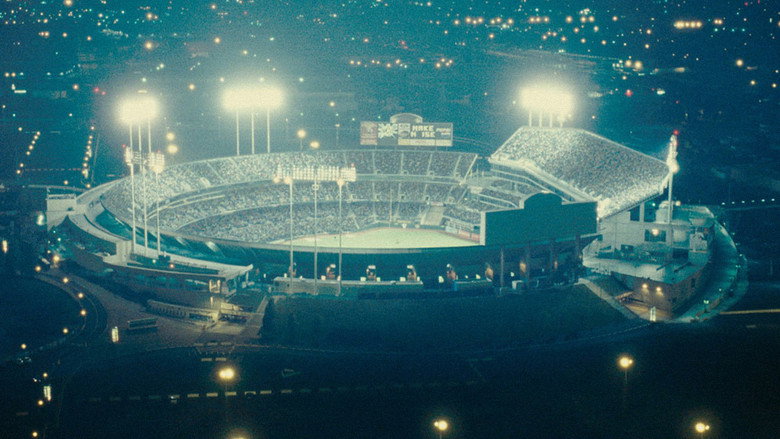
Directed by Bennett Miller, the film was brought to the screen from the groundbreaking book by Michael Lewis with the joint adaptation of two screenwriting greats, Aaron Sorkin and Steven Zaillian. The story tells how Billy Beane, general manager of the Oakland Athletics — whose budget in the 2002 season was only a third of that of wealthy clubs — discarded the established scouting tradition in player selection and turned to statistical analysis, and with this decision shook baseball's centuries-old rules. Brad Pitt offers an Oscar-nominated, mature performance carrying the ambition and wounds of Beane, whose own playing career ended in fiasco; while Jonah Hill, in the role of economics graduate and analyst Peter Brand, received his first Oscar nomination with this role in which he proved his dramatic ability. The film cleverly inverts the templates of sports cinema: the victory moments are experienced not on the field but during the player-trade phone calls and in front of the data tables. The Athletics' historic 20-game winning streak provides more than enough emotional counterweight to this intellectual narrative. Beyond sports, the film of a struggle against everyone who says "this is how it's always been done."
25. Ford v Ferrari (2019)
 8.0/10 2019 9074
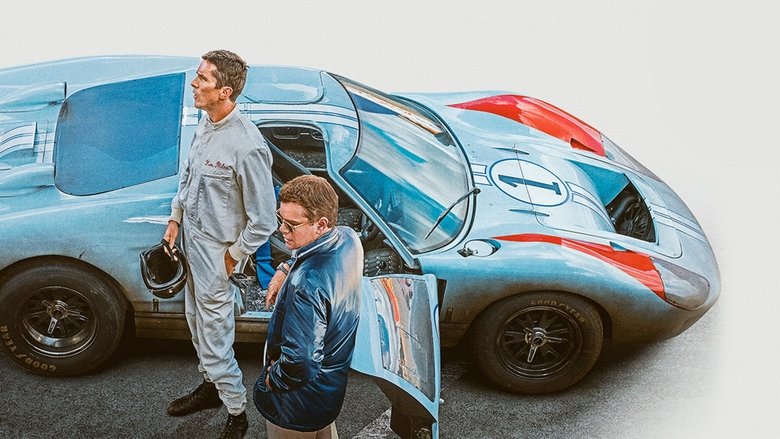
Directed by James Mangold, the film deals with the legendary project Ford launched in the 1960s to beat Ferrari — which would surrender its supremacy to no one — at the 24 Hours of Le Mans. The partnership between the designer Carroll Shelby, played by Matt Damon, and the grumpy but brilliant test driver Ken Miles, played by Christian Bale — and their at times literally fist-throwing quarrels — serves as the film's engine; Bale drew great critical acclaim with his performance uniting Miles's British accent, his devotion to family and his genius behind the wheel. Mangold preferred to shoot the racing sequences with real vehicles and real speed rather than drowning them in computer effects; the rainy night sections of the 1966 Le Mans are counted among the peak moments of motorsport cinema. But the film's real conflict lies not on the track but in the corporate corridors: the fight between engineering passion and corporate ego culminates, with the controversial photo-finish decision in the finale, in a bitter reality. Awarded two Oscars in the categories of editing and sound editing, the work is a demonstration of craftsmanship that fastens even those who understand nothing of engine noise to their seat for two and a half hours.
26. Rush (2013)
 7.7/10 2013 7887
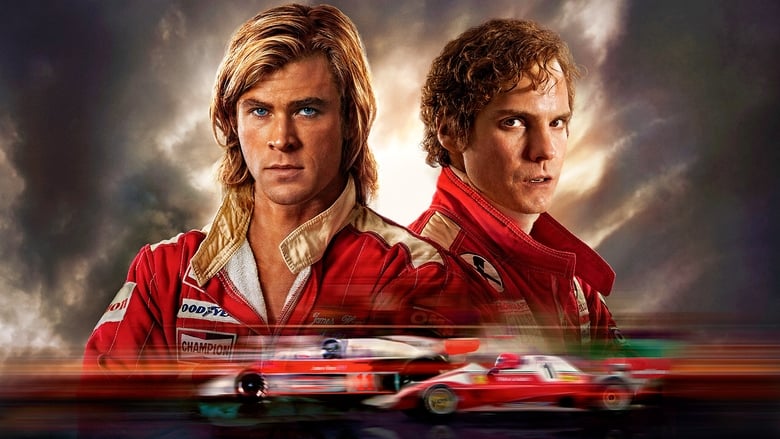
Directed by Ron Howard, the film tells one of the greatest rivalries in Formula 1 history — the championship battle in the 1976 season between the charismatic Briton James Hunt and the methodical Austrian Niki Lauda — with the sharp screenplay by Peter Morgan. Chris Hemsworth carries Hunt's reckless lifestyle and natural charisma; Daniel Brühl received Golden Globe and BAFTA nominations with his performance embodying Lauda's bold calculation and uncompromising discipline. The axis of the film is Lauda's dreadful crash at the Nürburgring, which left his face scarred for life; that the driver, despite the horror of his burn treatment, got back behind the wheel after only 42 days marks the film as one of the most extraordinary comebacks in sports history. Instead of forcing the two drivers into the hero-rival template, Howard treats them as two opposing life philosophies that condition each other; the hangar conversation in the finale is an elegant summary of this respectful enmity. The film, which balances the physicality of the racing scenes and the depth of character with equal mastery, is regarded as one of the best works ever made about motorsport.
27. The Fighter (2010)
 7.4/10 2010 4746
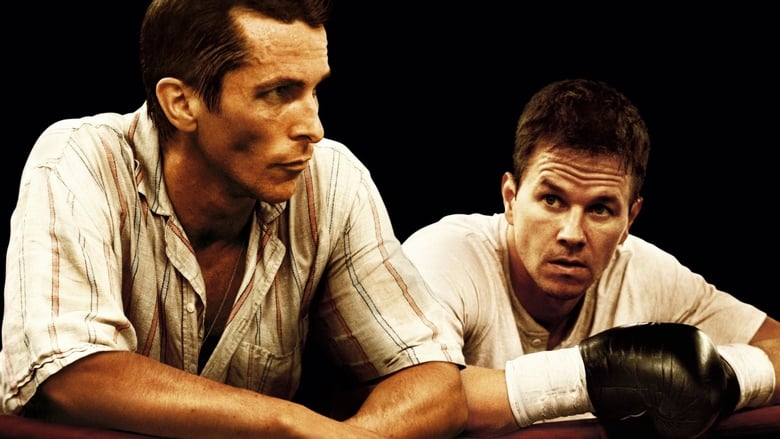
Directed by David O. Russell, the film tells the true story of boxer Micky Ward from the working-class town of Lowell, Massachusetts, who steps out of the shadow of his family, which both nourishes and suffocates him, and reaches for the championship. Around the quiet and patient Micky played by Mark Wahlberg rages the film's real storm: Christian Bale, in the role of the half-brother and trainer Dicky Eklund, once the "Pride of Lowell" but now battling drug addiction, won the Oscar for Best Supporting Actor with his weight loss and shattering physical transformation. While Melissa Leo, in the role of the family's iron manager-mother, was also awarded an Oscar that same night, Amy Adams, who plays Micky's girlfriend, received a nomination. With this concentrated success in the acting categories, the film possesses one of the genre's strongest ensemble performances. Russell shoots the boxing scenes in the television-broadcast aesthetic of the time, giving the fights an archive-footage authenticity. But the film's real ring is the domestic environment: the moments in which love becomes possessiveness and the family bond becomes a shackle are harder than any punch. The story of the real brothers Ward and Eklund is crowned in the end credits with their own footage.
28. Cinderella Man (2005)
 7.6/10 2005 2437
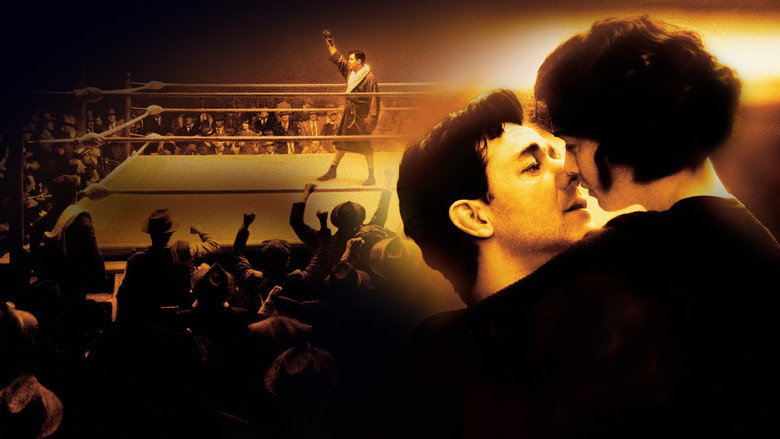
Directed by Ron Howard, the film is the true story of boxer James J. Braddock, whose career and hand were broken in the Great Depression of 1929 and who, to feed his family, returned to dock work and reached — with a comeback no one expected — for the world heavyweight championship. Russell Crowe turns the figure, with a performance placing Braddock's kindness and quiet dignity at the center, from a sports hero into a representative of the era's oppressed millions; Renée Zellweger in the role of the wife Mae and Paul Giamatti in the role of the Oscar-nominated manager Joe Gould are the emotional support beams of the story. Howard reconstructs Depression-era New Jersey — the houses with the electricity cut off, the relief lines, the crowds waiting for work at the docks — with a meticulous period design; real details such as Braddock returning the relief aid he had received to the state after the championship are authentic touches that feed the figure's legend. When the opponent in the final fight is Max Baer, blamed for the deaths of two opponents in the ring, the bout turns from a title match into a fight for survival. The dignifiedly told story of a man whom a nation made its banner in an age of the greatest hopelessness.
29. Coach Carter (2005)
 7.6/10 2005 3322
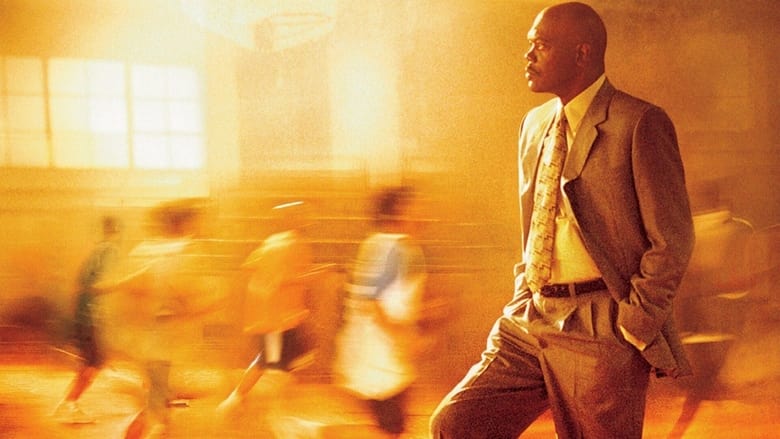
Directed by Thomas Carter, the film is based on an event that occurred in the city of Richmond, California, in 1999 and made the national press: high school basketball coach Ken Carter, when his undefeated team's school grades fell below the level set in their contract, chained up the gym, stopped the season and sent his players to the library. Samuel L. Jackson carries, in one of the most beloved dramatic performances of his career, Carter's uncompromising discipline and the deep faith beneath it with great dignity. While the film uses the motivational templates of sports cinema, in the background it deals with a far harder reality: that in a system where, for the young people of the neighborhood, the probability of going to prison is higher than that of going to college, winning a game alone changes nothing. The passage "Our deepest fear is not that we are inadequate," which one of the players reads out standing up in the gym, has become imprinted as the film's emotional climax. One of the most principled examples of its genre, in which victory is sought not on the scoreboard but on the graduation list.
30. The Blind Side (2009)
 7.7/10 2009 6875
Directed by John Lee Hancock, the film tells the journey of Michael Oher, who is tossed back and forth between homelessness and the foster-care system and who, after being adopted by the Tuohy family, reaches professionalism in American football. Sandra Bullock won the Oscar for Best Actress with the role of the determined mother Leigh Anne Tuohy; the figure's Southern directness and protective attitude that backs down before no one are regarded as the most iconic dramatic performance in Bullock's career. While the film is adapted from the work written by Michael Lewis, it also turns a tactical detail of the sport into the story's metaphor: Oher's position, the left tackle, is obliged to protect the "blind side" the quarterback cannot see; the film too is built on seeing the invisible. The work, breaking its genre's box-office records, was discussed anew years later when the real Oher made public the legal dispute between himself and the family; this development is a current lesson about the delicate balance between narrative and reality in "true story" adaptations. Even so, the mark the film left on millions of viewers keeps its place.
Music and Stage
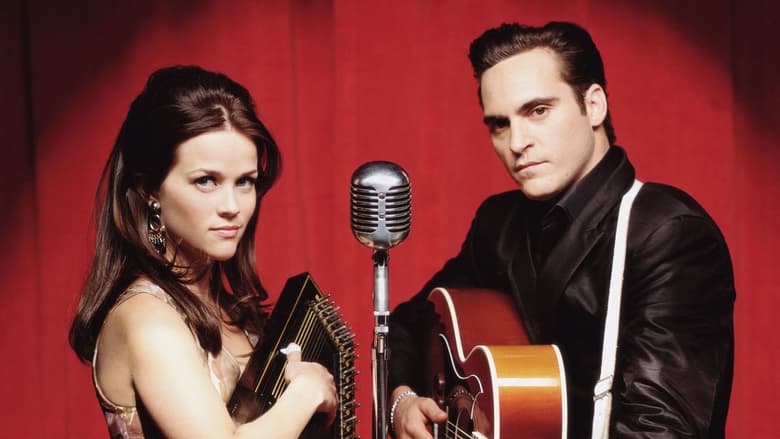
31. Walk the Line (2005)
 7.5/10 2005 3154
Directed by James Mangold, the film tells the journey of country music legend Johnny Cash from his poor childhood in Arkansas to his historic concert at Folsom Prison, and his more than decade-long, turbulent story with the love of his life, June Carter. The most remarkable feat of Joaquin Phoenix and Reese Witherspoon is that they sing all the film's songs without playback, in their own voices and live; in return for months of vocal and instrumental training, Phoenix came astonishingly close to that deep baritone of Cash, while Witherspoon practically recreated June Carter with her stage energy and won the Oscar for Best Actress with this performance. While Mangold follows the familiar stations of the biographical narrative — addiction, crash, rebirth — he places the heart of the story in the mutual healing of two people over the years. The Folsom concert that defines Cash's career is masterfully used as the film's opening and closing frame. Instead of feeding the legend of the "Man in Black," the film seeks its human being; one of the benchmark examples of its genre.
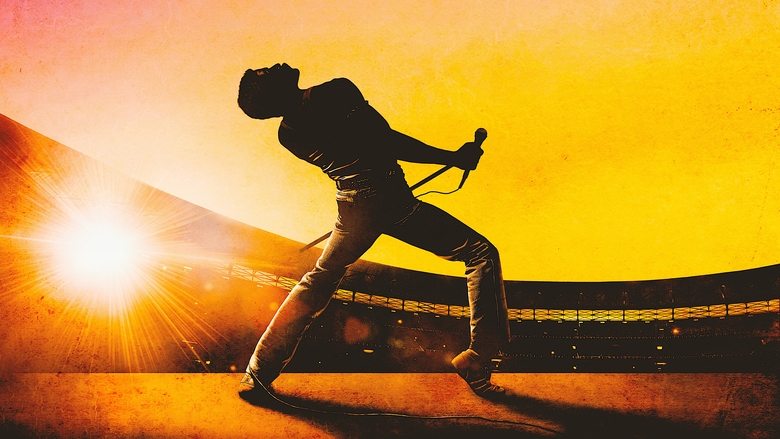
32. Bohemian Rhapsody (2018)
 8.0/10 2018 17836
The film telling the story of Queen and Freddie Mercury redefined biographical music productions with box- office records and, with a worldwide gross of over 900 million dollars, placed itself at the top of its genre. Rami Malek won the Oscar for Best Actor by embodying Mercury's stage presence, his vulnerability and his boundless artistic identity with great dedication. It is known that he rehearsed for months with dental prosthetics and studied the singer's archive footage frame by frame. The film's climax is the near-real-time recreation of the 1985 Live Aid concert, faithful from the stage set to the camera angles; the screen equivalent of this performance, regarded as the greatest 20 minutes in rock history, was watched with applause in the theaters. Made under the guidance of the living band members Brian May and Roger Taylor, the work — despite criticism of its chronological liberties — received a total of 4 Oscars, including in the categories of editing and sound. The film's real success is perhaps this: that after the end credits it led millions of new listeners to the Queen catalog and passed a legend on to new generations. The number of viewers who can sit motionless while "We Are the Champions" rises is quite limited.
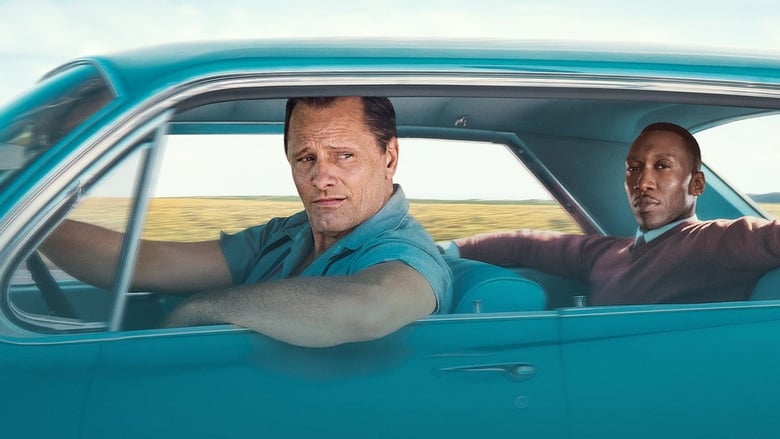
33. Green Book (2018)
 8.2/10 2018 12968
Directed by Peter Farrelly and awarded the Oscar for Best Picture, the work tells the true friendship that began in 1962 when the world-famous Black pianist Dr. Don Shirley hired the Italian-American nightclub bouncer Tony Lip as driver and bodyguard for his concert tour through the Southern states, where discrimination was harshest. The film's name comes from the real travel guide of the time that listed safe places for Black travelers. Mahershala Ali won his second Oscar for Best Supporting Actor with his performance uniting Shirley's artistic elegance and the loneliness of belonging fully to no world; while Viggo Mortensen received a nomination with the role of the food-loving, plain-speaking Tony, which he assumed by gaining weight. That one of the screenplay's co-writers is Nick Vallelonga, the son of the real Tony Lip, lends the anecdotes experienced on the road — especially the love letters dictated in the car — a firsthand authenticity. With its choice to treat a heavy historical subject with the warmth of a road movie and fine humor, the film won both great public affection and critical debate. What is certain is this: the chemistry between the two lead actors created one of the best friendships brought to the screen in recent years.
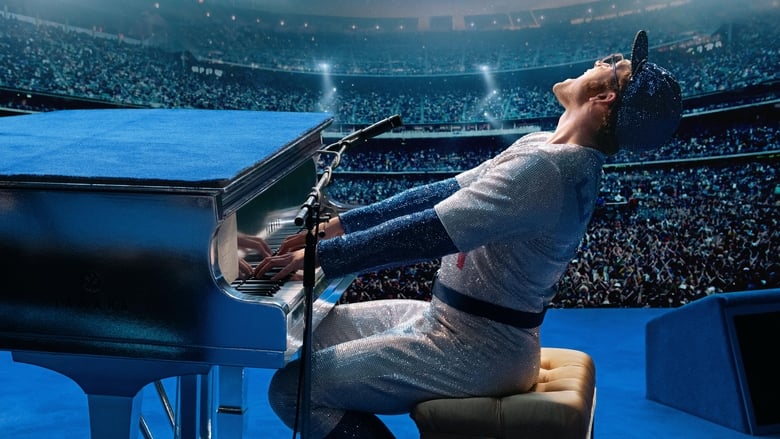
34. Rocketman (2019)
 7.3/10 2019 5019
Directed by Dexter Fletcher, the film shows the courage to tell the story of Elton John not with the traditional biography patterns but as a fantastical musical built on the artist's own music. The songs are used not in chronological order but according to their emotional function, and the characters occasionally lift off and detach from reality, dancing. Taron Egerton sang all the film's songs in his own voice — a choice approved by Elton John himself that became the work's most praised aspect. He embodied the transformation of Reginald Dwight, a shy provincial child, into the world's greatest stage star, and won a Golden Globe with this performance. The film deals unvarnished with the artist's addiction problems, his identity and his loveless childhood; that the story is told in flashbacks from a group therapy session at a rehab facility is a clever framework that makes the wounds beneath all the glamour visible. The finale arriving with "I'm Still Standing" turns the film's entire emotional burden into a triumph, as a kind of declaration of redemption. Released at the same time as Bohemian Rhapsody, the work proved that a more experimental and honest path is possible for music biographies; a cinematic experience as colorful as Elton John's stage costumes and as emotional as his songs.
Where to Start?
- If your suspense tolerance is high: Argo, Zodiac and, after Captain Phillips: Spotlight
- If you're looking for an inspiring story: Hidden Figures, The King's Speech, Coach Carter
- If finance and scandals interest you: The Big Short, The Wolf of Wall Street, The Social Network
- If you're a sports fan: Ford v Ferrari, Rush, Moneyball
- If you want to take a journey with music: Bohemian Rhapsody, Rocketman, Walk the Line
The power of true stories in cinema comes from that invisible weight the information "this really happened" adds to every scene. Together with the other true stories in our survival films and drama films lists, these works will keep your watchlist full for a long time.
For more film lists and recommendations, keep following DiziFilmAtlas.