
1. Die Hard (1988)
 7.8/10 1988 12359
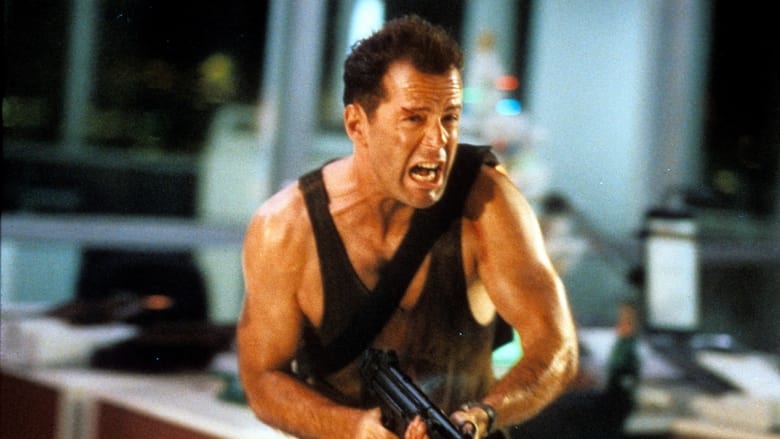
Directed by John McTiernan, Die Hard begins when New York detective John McClane (Bruce Willis) travels to Los Angeles on Christmas Eve to reconcile with his wife. Attending the company party at Nakatomi Plaza where his wife works, McClane finds himself in the middle of an unexpected battle when the building is seized by a professional criminal gang led by Hans Gruber (Alan Rickman). Unarmed, alone, and with limited communication with the outside world, McClane struggles both to save the hostages and to deal with the ruthless gang. Bruce Willis's career-defining performance, and equally Alan Rickman's portrayal of one of cinema's most memorable villains, make the film unforgettable. With its confined-space tension, witty dialogue, and cleverly crafted action sequences, Die Hard turned the "single location, single night" formula into an indispensable classic of action cinema. Years later, it still ranks at the top of Christmas movie lists and best action film rankings.
2. Mad Max: Fury Road (2015)
 7.6/10 2015 24181
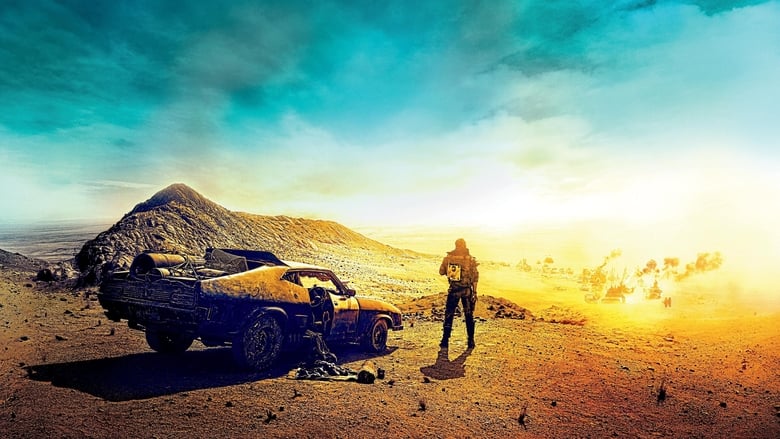
George Miller returned to his own franchise after thirty years with Mad Max: Fury Road, a film set in a barren, waterless future built around what is essentially one long chase sequence. Tom Hardy's Max joins forces with Imperator Furiosa, played by Charlize Theron, to rescue a group of women fleeing from a tyrannical dictator. The film's most striking aspect is that it was shot with minimal CGI, using real vehicles, stunt performers, and practical effects, which gives the action sequences a rare physical realism. Visually, it also qualifies as a work of art with its bold color palette and cinematography. Critics hailed the film not just as an action spectacle but as a cinematic experience where visual storytelling is more powerful than dialogue. The film won six Oscars and is considered one of the benchmarks of modern action cinema.
3. The Matrix (1999)
 8.3/10 1999 28099
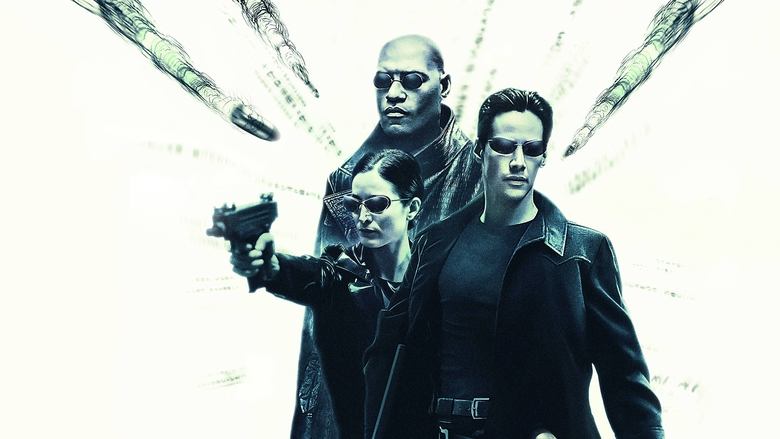
Directed by the Wachowskis, The Matrix follows computer hacker Neo (played by Keanu Reeves) as he discovers that the reality he inhabits is actually a simulation controlled by machines. Laurence Fishburne's Morpheus and Carrie-Anne Moss's Trinity introduce Neo to this "real" world while the film blends philosophical questioning with intense action sequences. The "bullet time" technique—where a bullet freezes in mid-air and the camera rotates around it—was revolutionary for its time and was imitated in countless films in subsequent years. The fight choreography drew inspiration from Hong Kong cinema and wire-fu techniques, bringing a new fighting language to Western cinema. Its philosophical subtext dealing with simulation, free will, and control makes it far more than an ordinary action film. The Matrix won four Oscars and is cited as a turning point in cinema history both for its visual effects and its cultural impact.
4. Terminator 2: Judgment Day (1991)
 8.2/10 1991 14408
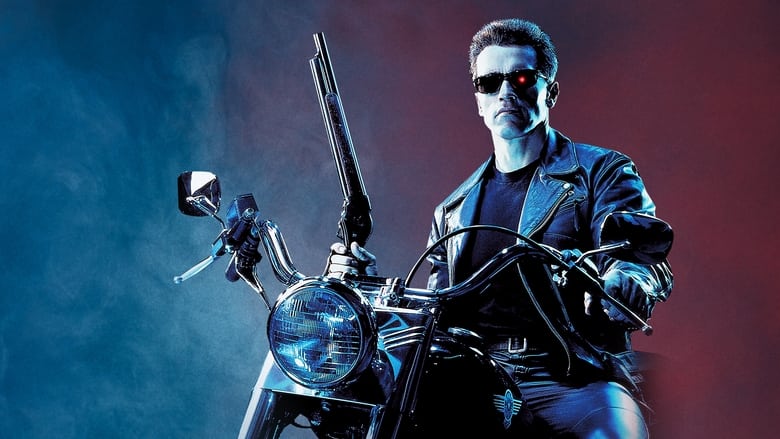
Directed by James Cameron, Terminator 2: Judgment Day transforms Arnold Schwarzenegger—who played a cyborg trying to destroy humanity in the first film—into a protective character. He is now tasked with protecting Sarah Connor (played by Linda Hamilton) and her son John from T-1000, a more advanced Terminator made of liquid metal capable of shape-shifting (Robert Patrick). The film's greatest achievement was the T-1000 effects, which pushed the CGI technology of the time to its limits; they were so impressive that they are considered a milestone in cinema history. Cameron succeeded in balancing large-scale action sequences with an emotional mother-son story. Schwarzenegger's iconic lines have permanently entered popular culture. The film held the title of highest-budgeted production at the time of its release and is still regarded as one of the finest examples of science fiction action today.
5. Heat (1995)
 7.9/10 1995 8415
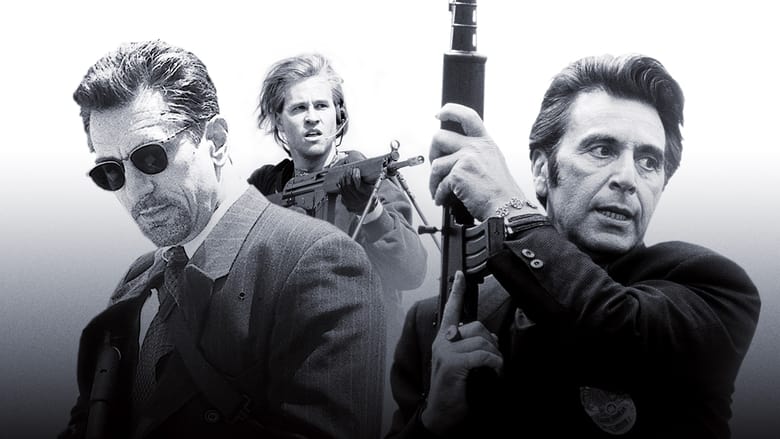
Directed by Michael Mann, Heat holds a unique place in cinema history as the first film to bring Al Pacino and Robert De Niro face to face in the same scene. Pacino plays detective Vincent Hanna, who is tracking a professional robbery gang led by Neil McCauley, while De Niro plays that very robber. The film is a high-character-depth crime drama that simultaneously explores the professional respect between the two characters and the personal costs in their private lives. The bank robbery and shootout on the streets of Los Angeles, with its realistic sound design and choreography, directly inspired many action films in subsequent years. Mann's calm, observational camera language builds the action on realism rather than exaggerated effects. Heat bridges genres as both a crime drama and an action film, and has gained more appreciation from critics with every passing year.
6. John Wick (2014)
 7.5/10 2014 20943
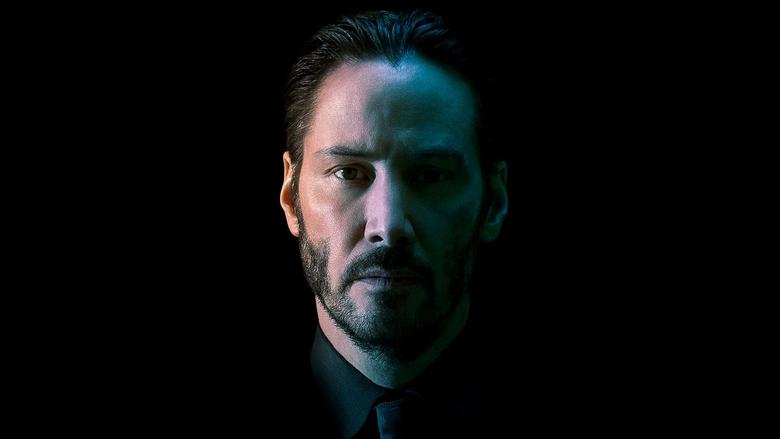
Directed by Chad Stahelski, John Wick stars Keanu Reeves as a retired assassin who is set into motion when the puppy given to him after his wife's death is killed. The simple but effective premise sets the stage for the film's real strength: its choreographed fight and gun sequences. The style known as "gun-fu"—combining armed combat with close-range fighting techniques—sets the film apart from other action productions. Stahelski's background as a stuntman allowed the scenes to be shot continuously and realistically; rather than hiding the complex choreography, the camera openly showcases it. The film built an expansive universe by creating its own "world of assassins." Despite its low budget, John Wick gained a large cult following and became the start of one of the most influential action franchises of the 2010s.
7. The Raid: Redemption (2011)
 7.4/10 2012 3903
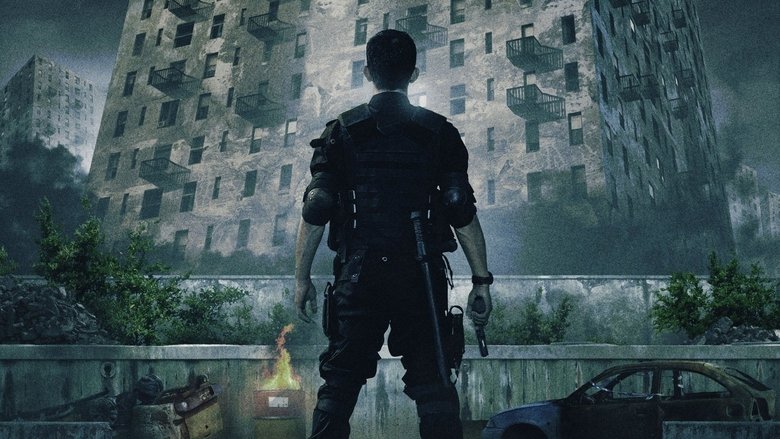
Directed by Welsh filmmaker Gareth Evans and shot in Indonesia, The Raid: Redemption follows a SWAT team raiding a multi-story building under the control of a crime lord, with events turning into a floor-by-floor survival battle when plans go wrong. Starring Iko Uwais, the film is known for introducing the Indonesian martial art of pencak silat to Western cinema. The choreography relies on long uninterrupted takes and the performances of real martial artists, adding a physical intensity to the scenes rarely seen in CGI-dependent action films. The limited budget and single-location constraint pushed the director toward creative solutions, giving the film an almost video game-like tempo. The film generated great interest at international festivals, quickly achieving cult status, and a sequel followed in 2014. The Raid is considered the most influential martial arts film of the 2010s.
8. Casino Royale (2006)
 7.6/10 2006 11750
Directed by Martin Campbell, Casino Royale marks Daniel Craig's first outing as James Bond and represents a fundamental reboot of the franchise. The film covers Bond's early days earning his "00" status and his mission to defeat terrorist financier Le Chiffre (Mads Mikkelsen) at a high-stakes poker game. Craig's harder, more human, and flawed interpretation of Bond moved the character away from the exaggerated gadgets and clichés of previous films, placing him in a more grounded spy drama. The film's opening chase and the parkour-themed pursuit at a construction site rank among the most innovative action sequences of the era. Eva Green's Vesper Lynd reveals Bond's emotional side, adding unexpected dramatic weight. Accepted by critics and audiences as one of the best entries in the franchise, Casino Royale revitalized the Bond series.
9. Léon: The Professional (1994)
 8.3/10 1994 16184
French director Luc Besson's Léon: The Professional brings together a solitary hitman (played by Jean Reno) and Mathilda—a young girl whose family has been murdered by a corrupt DEA agent (Gary Oldman)— with a young Natalie Portman in her first major role. Léon inadvertently provides Mathilda shelter, and she wants to learn the craft of assassination from him; this relationship forms the film's emotional backbone. Gary Oldman's corrupt agent Stansfield is considered one of cinema's most memorable and surreal villains. While Besson stages the action sequences—particularly the final confrontation—at a tense, fast-paced rhythm, the film's real power comes from the complex, father-daughter-like bond between Léon and Mathilda. Combining French cinematic aesthetics with the American action formula, the film has achieved cult classic status over the years. Its emotional depth makes it far more than an ordinary action film.
10. Aliens (1986)
 8.0/10 1986 10920
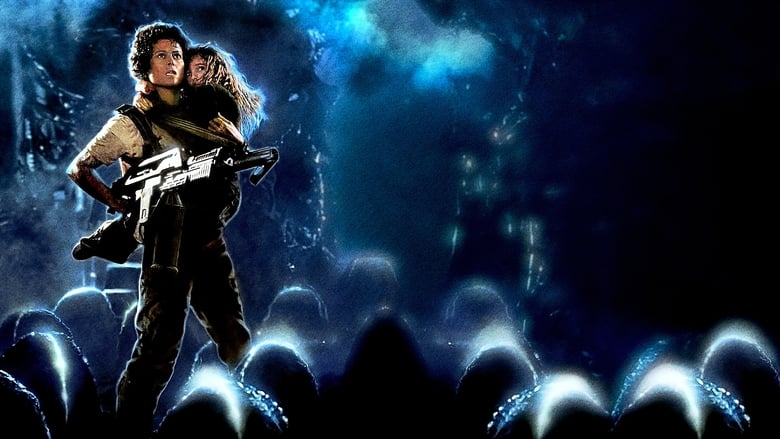
Directed by James Cameron, Aliens is the sequel to Ridley Scott's 1979 Alien, following Ellen Ripley (played by Sigourney Weaver) as she wakes years later and returns to an abandoned space colony with a group of marines. Cameron preserved the first film's slowly building horror element and layered military action and larger-scale confrontations on top of it, masterfully executing the genre shift. Weaver's performance made Ripley one of the strongest female protagonists in cinema history and earned her an Oscar nomination. The film's final confrontation with the Alien Queen—with Ripley inside the mechanical loader suit—has become an iconic cinematic moment. Its well-balanced blend of suspense and action allowed the film to be embraced by fans of both horror and action. Aliens has taken its place in cinema history as one of the most successful examples of science fiction-action.
11. Raiders of the Lost Ark (1981)
 7.9/10 1981 13708
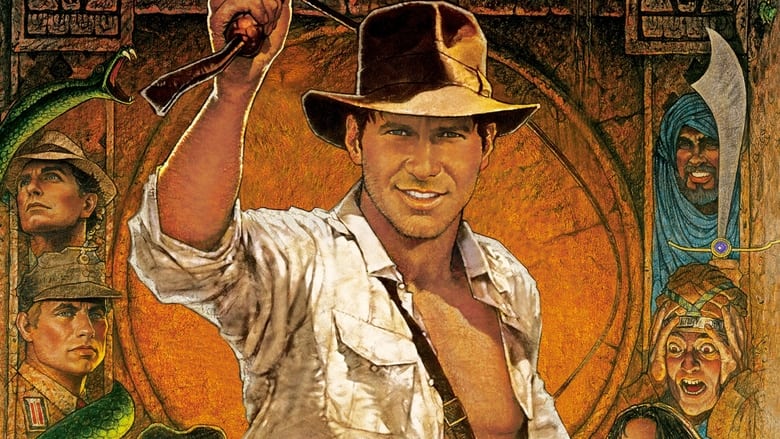
Directed by Steven Spielberg from a story by George Lucas, Raiders of the Lost Ark follows archaeologist Indiana Jones (played by Harrison Ford) as he races against Nazis trying to seize the legendary Ark of the Covenant. Drawing inspiration from 1930s pulp adventure magazines and old serials, the film created a new adventure-action formula combining escape sequences, whip use, and humor. From the rolling boulder in the rocky cave to the truck chase across the desert, many scenes rank among the most referenced action moments in cinema history. Ford's Indiana Jones redefined the archetype of the flawed but charismatic hero, shaping the idea of heroism for subsequent generations. Spielberg's use of the camera—always balancing action with character and humor—makes the film far more fluid than a mere spectacle. The film won four Oscars and continues to be considered the gold standard of the adventure-action genre.
12. The Dark Knight (2008)
 8.5/10 2008 35994
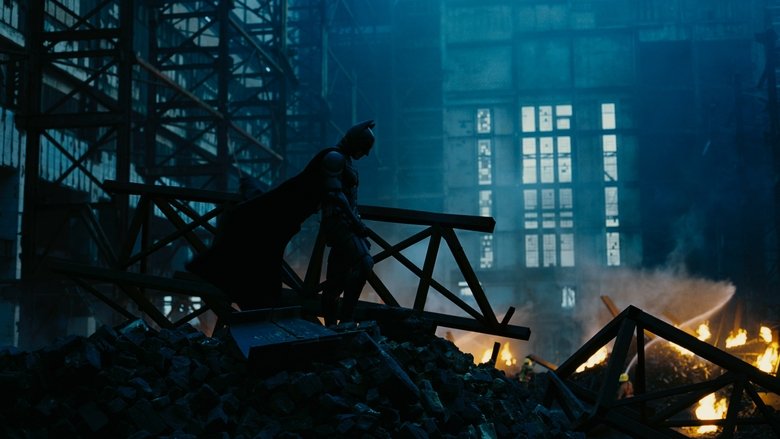
Directed by Christopher Nolan, The Dark Knight stars Christian Bale as Batman/Bruce Wayne and is immortalized by Heath Ledger's performance as the Joker, whose chaos across Gotham City forms the heart of the film. Nolan moved the superhero film away from traditional comic book aesthetics and into a dark urban drama exploring organized crime and terrorism. The posthumous Oscar Ledger received is proof of how extraordinary his performance was; the character's chaotic, unprincipled nature forms the film's moral center. The action sequences were filmed with IMAX cameras and staged in real cities with practical effects. The film's moral dilemmas make it a far more complex work than an ordinary action film. The Dark Knight is one of the landmark films that proved superhero movies could receive serious critical attention.
13. Kill Bill: Vol. 1 (2003)
 8.0/10 2003 19038
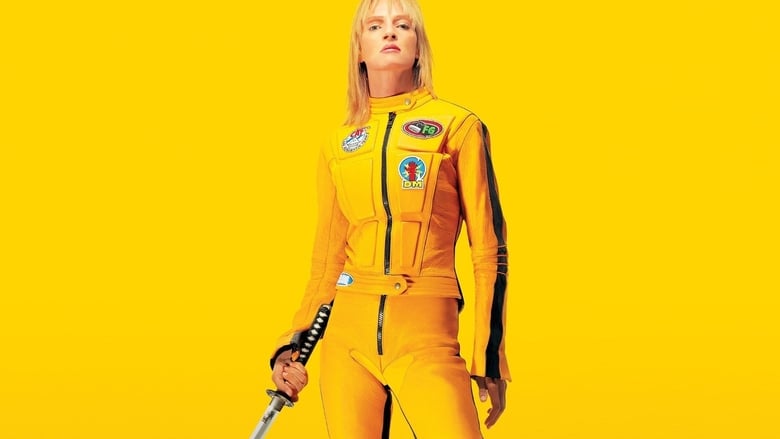
Directed by Quentin Tarantino, Kill Bill: Vol. 1 centers on "The Bride" (played by Uma Thurman), who is nearly killed by her former team on her wedding day and, after waking from a coma, swears revenge. Tarantino turned the film into a visual collage drawing from samurai cinema, Hong Kong kung fu films, Japanese anime, and spaghetti westerns. The sword fight with the "Crazy 88" gang—shot in a single long uninterrupted take—is one of the film's most memorable scenes for its choreography and visual design. The final duel with O-Ren Ishii (played by Lucy Liu) stands out as a minimalist yet visually striking scene set in the snow. Tarantino's characteristic dialogue style and non-linear narrative add an extra layer to the film's action sequences. Kill Bill received wide critical praise for its original approach to blending action with art cinema aesthetics.
14. Speed (1994)
 7.2/10 1994 6879
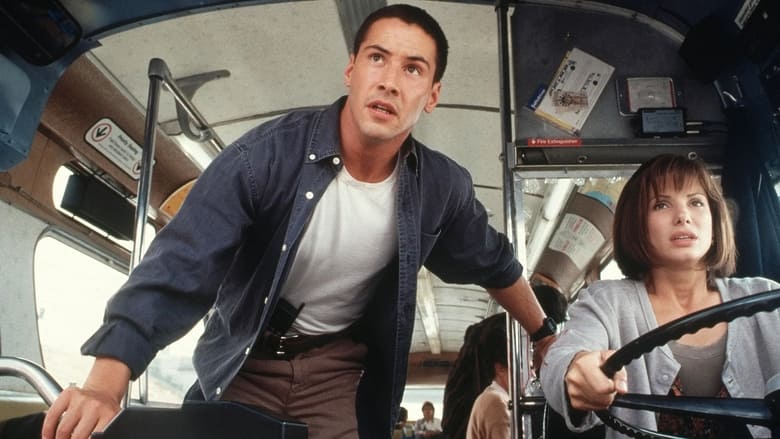
Directed by Jan de Bont, Speed follows SWAT officer Jack Traven (played by Keanu Reeves) as he tries to save a bombed Los Angeles bus that will explode if its speed drops below 50 miles per hour. Sandra Bullock's Annie—an ordinary passenger forced to drive the bus—adds an unexpected heroic dimension to the film. Dennis Hopper's bomber Howard Payne delivers a classic but effective villain performance. The film took a single simple premise and transformed it into a series of set pieces filled with escalating tension, creating one of the finest examples of the "high concept" action film. De Bont's visual competence from his background as a cinematographer ensured the scenes felt both clear and breathtaking. Speed is a textbook example of how a simple idea can be masterfully transformed into a genre classic.
15. Face/Off (1997)
 7.1/10 1997 5936
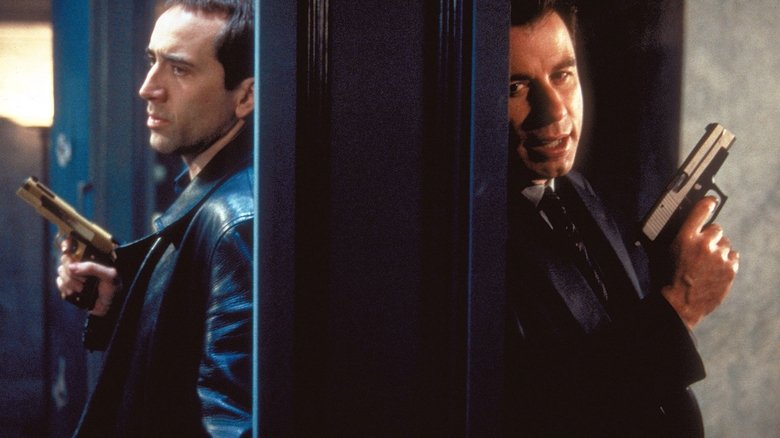
Hollywood film by legendary Hong Kong director John Woo, Face/Off features John Travolta as an FBI agent and Nicolas Cage as a terrorist—the two swapping faces and identities through surgery in an extraordinary premise. This fantastical setup gives both actors the opportunity to imitate each other's characters, offering a uniquely layered performance experience. Woo brought his signature "ballistic ballet" sequences to the film, successfully adapting Hong Kong action aesthetics to Hollywood. The boat chase and the final church confrontation are among the film's most visually spectacular scenes. The screenplay, exploring themes of identity, revenge, and moral duality, carries an emotional core despite its extremes. Face/Off remains one of the most original and stylized action films of the 90s.
16. Gladiator (2000)
 8.2/10 2000 21011
Directed by Ridley Scott, Gladiator follows Roman general Maximus (played by Russell Crowe) who, after his family is murdered by the corrupt Emperor Commodus (Joaquin Phoenix), is enslaved and thrust into the gladiator arena—and from there sets out on a journey of revenge. The film rebuilds the grandeur of ancient Rome with digital effects while staging arena fights in a brutal and realistic manner. Crowe's performance earned him an Oscar by bringing both physical strength and a deep sense of grief and honor to the character. Hans Zimmer's epic score is an important element supporting the film's emotional and visual scale. Gladiator combined a personal revenge story with a large-scale historical epic, rekindling interest in historical action films at the start of the 2000s. The film won five Oscars and is considered one of the modern classics of the epic action genre.
17. The Bourne Ultimatum (2007)
 7.4/10 2007 8405
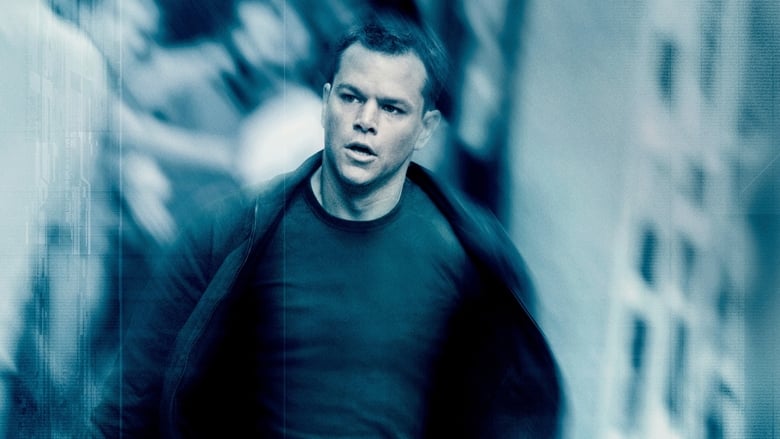
Directed by Paul Greengrass, The Bourne Ultimatum follows Jason Bourne (played by Matt Damon), an amnesiac former CIA assassin trying to uncover the truth about his past and the secret program that created him. In this third installment, Bourne simultaneously evades CIA agents hunting him and tries to protect a journalist source. Greengrass's handheld camera style and rapid editing added a raw, realistic texture to fight and chase sequences that influenced many spy films in subsequent years. The chase sequences in Tangier and London, filmed in real urban environments, reinforce the film's sense of realism. The Bourne character moves away from the traditional Bond-style sleek spy and draws a more tired, paranoid, and human agent profile. The Bourne Ultimatum is considered one of the films that redefined the spy-action genre in the mid-2000s.
18. Inception (2010)
 8.4/10 2010 39446
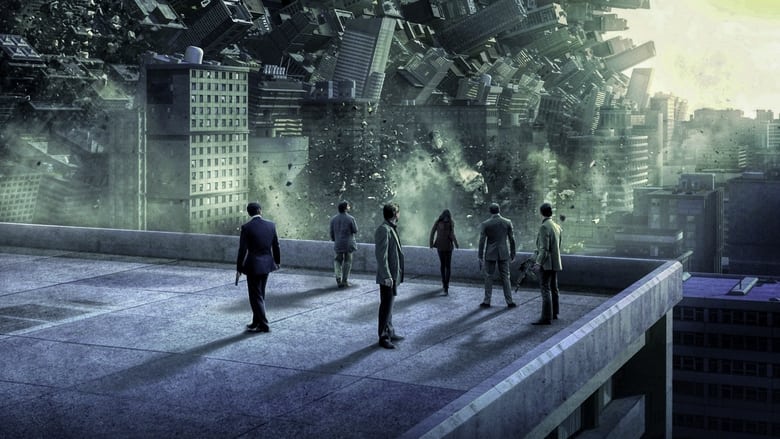
Written and directed by Christopher Nolan, Inception follows a team led by Dom Cobb (played by Leonardo DiCaprio) who, rather than entering people's dreams to steal information, tries to plant an idea in someone's mind. The film presents a layered understanding of reality with its dream-within-a-dream structure, building action sequences with different physical rules at each level. Hans Zimmer's tension-filled score is an important element that heightens the emotional intensity of the scenes. Nolan received wide critical praise for his skill in transforming complex science fiction concepts into a coherent action narrative. The film's ambiguous ending sparked debates among audiences that lasted for years. Inception won four Oscars and is considered one of the most original and intellectually rich examples of science fiction action.
19. Mission: Impossible – Fallout (2018)
 7.5/10 2018 9175
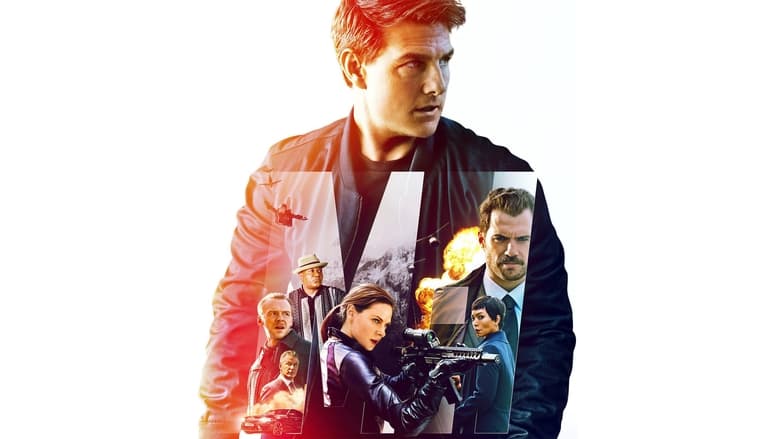
Directed by Christopher McQuarrie, Mission: Impossible – Fallout follows Ethan Hunt (played by Tom Cruise) as he races to recover stolen plutonium cores before a terrorist organization can seize them. Throughout the series this film is shot on an ever-growing scale, with Cruise frequently performing his own stunts; the helicopter chase, the HALO jump, and the Paris motorcycle pursuit were all filmed taking real risks. The fight scene between Henry Cavill's CIA agent August Walker and Cruise is considered one of the franchise's most acclaimed action moments for its choreography. McQuarrie's direction presents complex espionage intrigue at a fluid pace while not neglecting the film's emotional subtext. This sixth entry in the series has been widely regarded as the pinnacle of the franchise by both critics and audiences. Its commitment to practical effects is the most distinguishing feature setting it apart from its CGI-heavy contemporaries.
20. Skyfall (2012)
 7.3/10 2012 16173
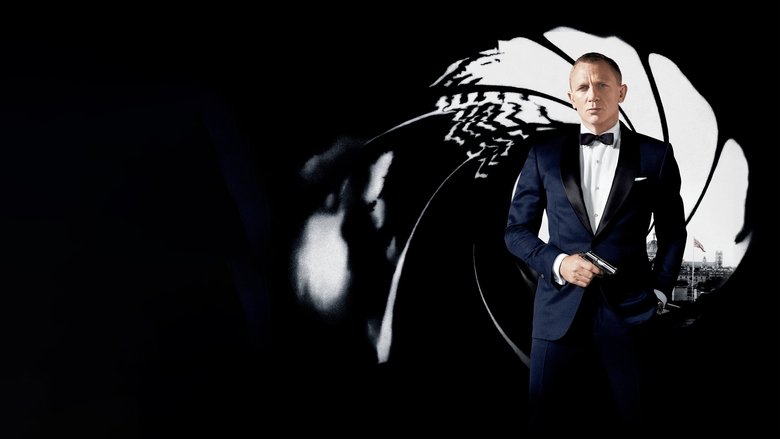
Directed by Sam Mendes, Skyfall follows Daniel Craig's James Bond as he faces a personal threat to MI6—from former agent Silva (Javier Bardem)—at a time when he is physically and mentally pushed to his limits. Shot for the Bond franchise's 50th anniversary, the film carries a nostalgic yet forward-looking tone that reckons with the pasts of Bond and M (played by Judi Dench). Roger Deakins's cinematography—particularly the neon-lit skyscraper fight in Shanghai and the final sequence in Scotland—created the most visually stunning moments in the Bond series. Javier Bardem's Silva is one of the film's strongest elements: both dangerous and charismatic. Adele's title track also contributed to the film's cultural impact. Skyfall became one of the franchise's most commercially successful films, crossing one billion dollars at the box office, while also being ranked among the series' finest by critics.
21. Oldboy (2003)
 8.2/10 2003 9926
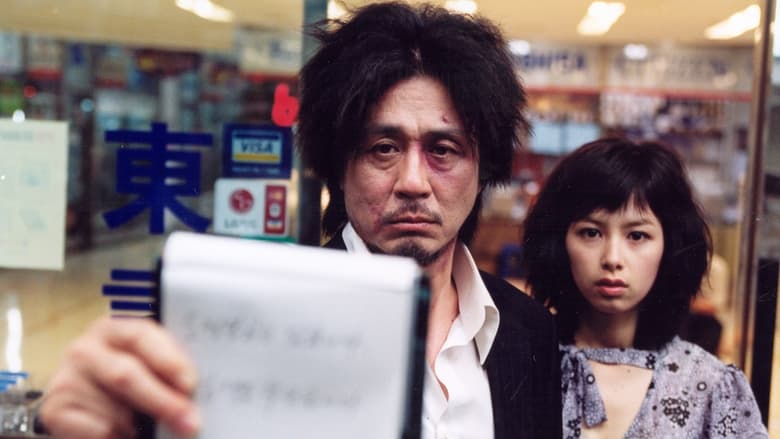
Directed by Park Chan-wook, Oldboy follows Oh Dae-su (played by Choi Min-sik), who is imprisoned in a room for 15 years without explanation and suddenly released, as he investigates who imprisoned him and why. This middle entry in the Korean "revenge trilogy" carries deep moral and psychological complexity while aestheticizing violence. The film's most famous scene is the sequence where Oh Dae-su fights dozens of men in a corridor in a single long uninterrupted take; it has inspired many action films in subsequent years. Park Chan-wook's visual style—with its sharp compositions and manner of presenting violence—brought a new language to cinematic aesthetics. The film's shocking final twist causes the viewer to reexamine everything they have watched. Oldboy won the Grand Prix at the 2004 Cannes Film Festival and is considered one of the most impressive works in Korean cinema's action-thriller genre.
22. Crouching Tiger, Hidden Dragon (2000)
 6.2/10 2016 724
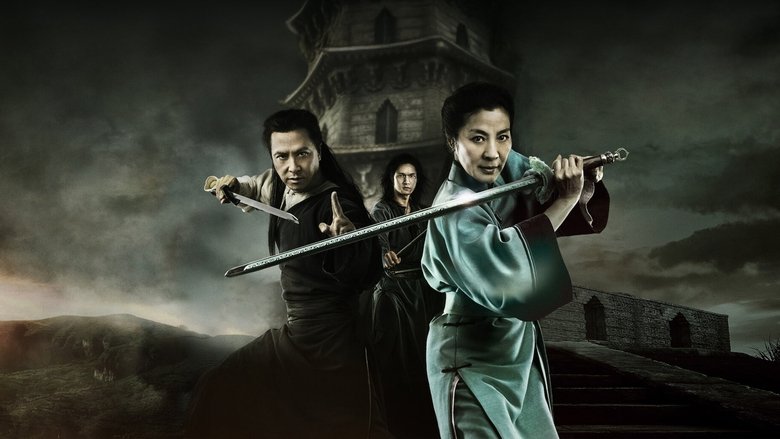
Directed by Taiwanese filmmaker Ang Lee, Crouching Tiger, Hidden Dragon is set in ancient China and follows the suppressed love between experienced warrior Li Mu Bai (played by Chow Yun-fat) and Yu Shu Lien (played by Michelle Yeoh), and the intrigues surrounding the legendary "Green Destiny" sword. The film introduced traditional wuxia cinema elements to Western audiences while staging fight sequences with cable-assisted choreography where combatants appear to float through the air. The duel atop the bamboo forest—with its visual poetry—has become one of the most memorable action moments in cinema history. The fight choreography was handled by Yuen Woo-ping, which explains the precision in the film's aesthetics. Beyond the action, the themes of honor, freedom, and suppressed emotions add a deep dramatic layer. The film won four Oscars and is considered one of the aesthetically richest and internationally most influential examples of the wuxia genre.
23. The Fugitive (1993)
 7.5/10 1993 4817
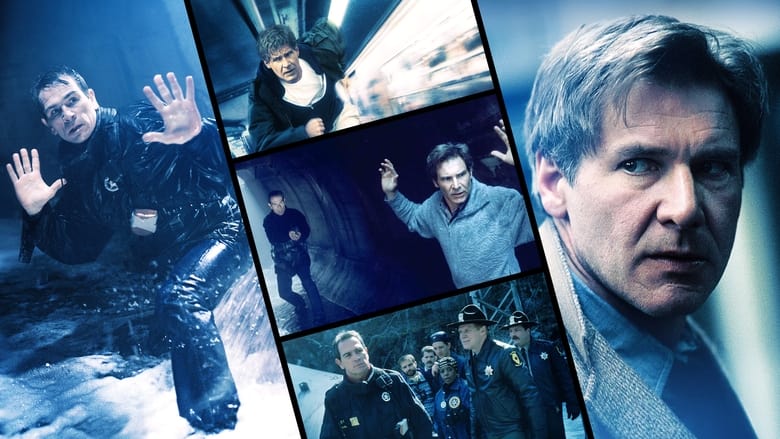
Directed by Andrew Davis, The Fugitive follows Dr. Richard Kimble (played by Harrison Ford), wrongly accused of his wife's murder, as he escapes from prison and hunts for the real killer. Tommy Lee Jones's U.S. Marshal Sam Gerard is tasked with capturing Kimble, and the cat-and-mouse game between them drives the film's tension; Jones won an Oscar for the role. The film's most famous scene—a collision between a train and a prison bus—was shot with a real train and practical effects and was considered a technical achievement of its era. Davis used the fabric of the city of Chicago as a vivid realistic backdrop. The film blended a classic "fugitive man" story with police thriller elements, gaining character-driven depth through the performance chemistry of its two leads. The Fugitive remains one of the most successful and beloved action-thriller films of the 90s.
24. RoboCop (1987)
 5.9/10 2014 5877
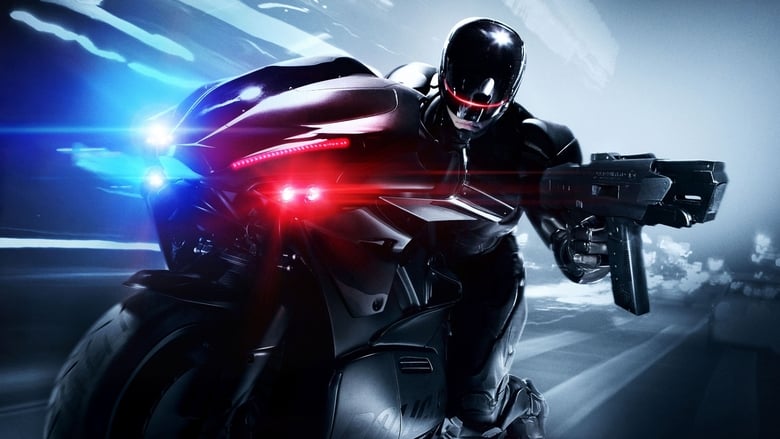
Directed by Dutch filmmaker Paul Verhoeven, RoboCop follows police officer Alex Murphy (played by Peter Weller) who, after being killed by criminals, is reconstructed by a corporation as a half-human, half-robot law enforcer. Beneath the film's hard and bloody action lies a sharp social satire on media, corporate capitalism, and the nature of authority; Verhoeven masterfully balanced this dual structure. Murphy's gradual recollection of his humanity and his struggle to rebuild his identity add an unexpected emotional layer. The stop-motion and animatronic effects of the era—particularly the ED-209 robot scenes—are an important part of the film's visual identity. The fake commercials and news inserts Verhoeven planted throughout the film are an original narrative technique that reinforces the satirical tone. Despite its hard content, RoboCop achieved cult status in the science fiction-action genre thanks to its cleverly written screenplay.
25. Predator (1987)
 7.6/10 1987 9212
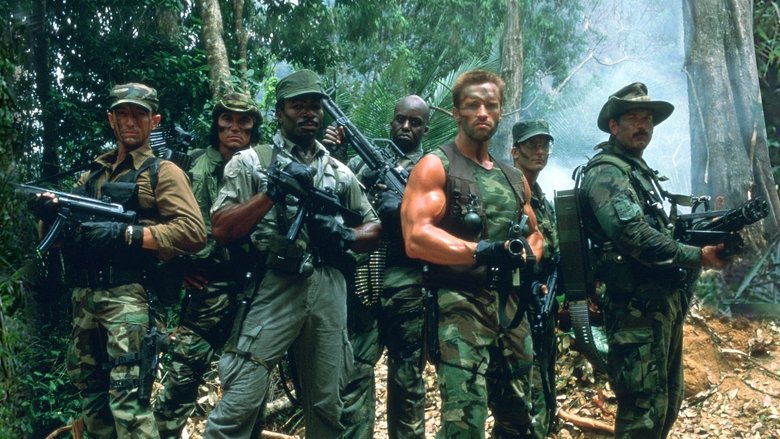
Directed by John McTiernan, Predator follows a group of elite soldiers led by Arnold Schwarzenegger who are hunted one by one by an invisible alien hunter in a Central American jungle. The film begins like a classic military action film but gradually transforms into a survival-horror film as team members disappear one by one; this genre transition is one of the film's most original aspects. The scenes depicting the Predator's thermal vision and camouflage ability presented an innovative visual effects approach for the era. Schwarzenegger's physical presence and the solidarity scenes among team members are a typical yet effective example of 80s action aesthetics. The forest's claustrophobic atmosphere and escalating tension reinforce the film's horror element. Predator is considered a classic of its genre for its combination of science fiction and military action, and has spawned its own franchise.
26. Point Break (1991)
 7.2/10 1991 4010
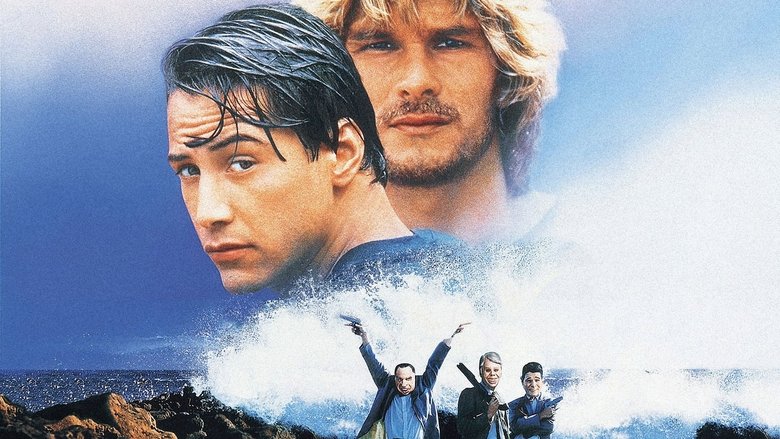
Directed by Kathryn Bigelow, Point Break stars Keanu Reeves as young FBI agent Johnny Utah, who goes undercover to infiltrate a gang of bank-robbing surfers. Patrick Swayze's gang leader Bodhi and the strange friendship and mutual respect that develops between him and Utah forms the film's emotional center, adding an unexpected layer to the action sequences. Bigelow films the surfing sequences with adrenaline-filled visuals while making the skydiving sequence one of the most tense moments in the film. The film's philosophical subtext—exploring themes of freedom, adrenaline addiction, and rebellion against societal norms—sets it apart from an ordinary cop-vs-robber story. Bigelow's success in the male-dominated action genre as a female director, rare for that era, also contributes to the film's historical significance. Point Break has achieved cult status and permanently embedded surf-action culture into popular consciousness.
27. True Lies (1994)
 7.1/10 1994 4609
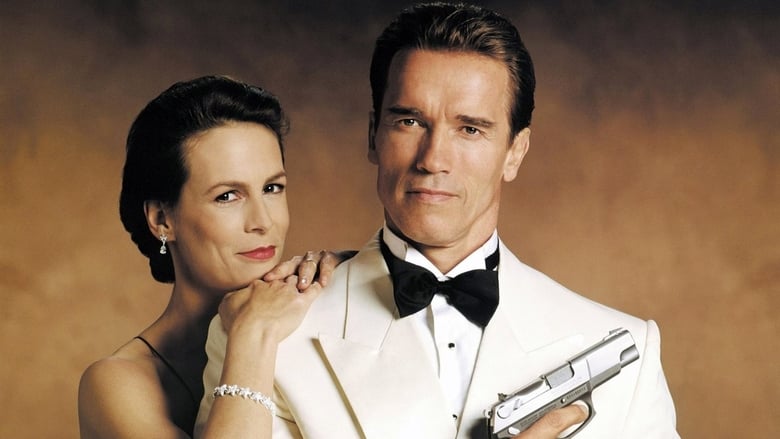
Directed by James Cameron, True Lies follows Harry Tasker (played by Arnold Schwarzenegger), a secret government agent who keeps his identity hidden from his wife (Jamie Lee Curtis) while trying to protect both his family and the world from a terrorist threat. The film is one of the rare examples that blends espionage action with family comedy; Harry's secrecy from his wife functions as both a tension and humor device. Cameron's signature large-scale set pieces reach their peak in the film with a final scene involving a fighter jet in the city center. Jamie Lee Curtis's mid-film transformation adds a funny but effective sub-narrative to the film. Shot at a very high budget for its era, the film became one of the most spectacular action-comedy hybrids of the 90s. True Lies is remembered as a successful genre example for its balanced blending of humor and action without sacrificing seriousness.
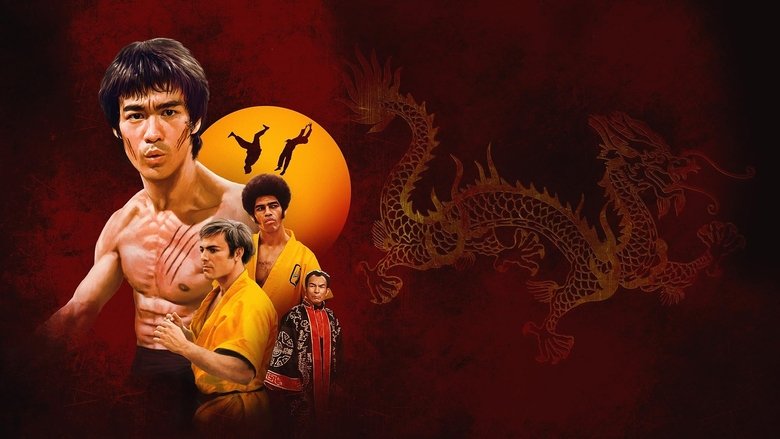
28. Enter the Dragon (1973)
 7.4/10 1973 2104
Directed by Robert Clouse, Enter the Dragon follows a Shaolin martial artist (played by Bruce Lee) who enters a fighting tournament organized by a secret crime lord, both to investigate it and to settle a personal score. The film is the most recognized of Lee's works bridging Hollywood and Hong Kong cinema, transforming him into an international star; tragically, Lee passed away shortly before the film's release. Lee's fight scenes, with their speed, precision, and physical control, established a standard in cinema history and directly influenced subsequent generations of martial arts films. The final fight in the hall of mirrors is the film's most memorable scene for its visual design and tension. Despite its low budget, the film's great commercial success permanently increased Hollywood's interest in martial arts cinema. Enter the Dragon is considered one of the most important productions that brought martial arts films into Western mainstream acceptance.
29. Dredd (2012)
 6.9/10 2012 5564
Directed by Pete Travis, Dredd centers on Judge Dredd (played by Karl Urban) in a dystopian future in the chaotic city known as "Mega-City One," where he single-handedly serves as police officer, judge, and executioner. The film stays far more faithful to the 2000 AD comic than the failed 1995 adaptation, reflecting the character's harsh, humorless, and ruthless nature as-is. The story focuses on Dredd and rookie Judge Anderson fighting drug baron Ma-Ma's gang within a single skyscraper, using the "single location" structure. The film's visual style creates a unique aesthetic by depicting the effect of a drug called "Slo-Mo" through slow motion and high-contrast imagery. Karl Urban's decision to keep his helmet on throughout his performance is cited by critics as a rare example of faithfulness to the source material. The film underperformed at the box office on release but gained a large cult following in the years that followed on home video.
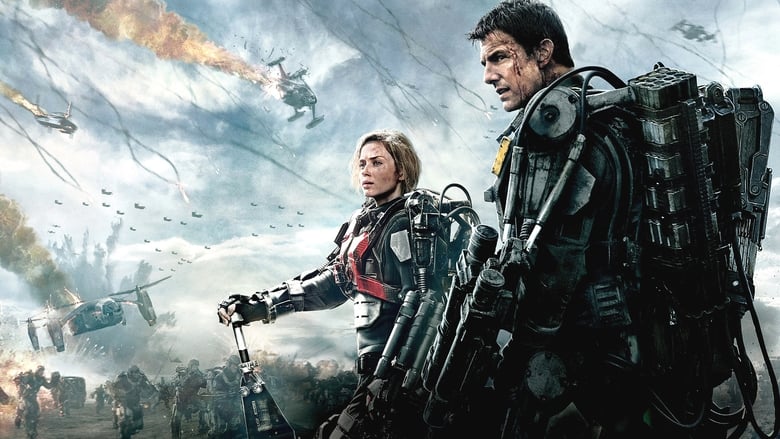
30. Edge of Tomorrow (2014)
 7.6/10 2014 15154
Directed by Doug Liman, Edge of Tomorrow follows a combat-naïve public relations officer (played by Tom Cruise) who, in the war against an alien invasion, begins reliving the same day every time he is killed. Emily Blunt's experienced soldier Rita—having previously experienced this loop—guides Cage through it. The film uniquely combines the time-loop concept with war action; each death becomes a learning cycle through which both the character and the viewer gain a little more information. The action sequences, despite their repetitive structure, are presented with small variations each time to avoid monotony and carry elements of dark humor. Emily Blunt's performance successfully conveys the character's tough and weary nature, becoming one of the film's strongest elements. Edge of Tomorrow underperformed commercially on its initial release but has since earned the recognition it deserves among critics and audiences alike.
31. Baby Driver (2017)
 7.4/10 2017 16893
Written and directed by Edgar Wright, Baby Driver follows Miles (played by Ansel Elgort), a young getaway driver who constantly listens to music through earphones, as he gets caught between his desire to build a normal life with the girl he loves and his criminal past. The film's most original aspect is that all escape and chase sequences are meticulously synchronized with the character's music; steering wheel movements, gear shifts, and even confrontation scenes are edited to the rhythm of the soundtrack. Crime gang members played by Kevin Spacey, Jon Hamm, and Jamie Foxx add character-driven tension to the film. Wright's fast and dynamic editing style takes the action sequences out of the traditional chase formula and transforms them into something approaching a musical experience. The film's soundtrack is used not merely as background music but as an active part of the narrative. Baby Driver received broad critical praise for its original approach to combining action and music.
32. The Man from Nowhere (2010)
 7.7/10 2010 1498
Directed by Korean filmmaker Lee Jeong-beom, The Man from Nowhere follows a mysterious former special agent (played by Won Bin) who keeps to himself and avoids contact with others, as he springs into action after his young neighbor is kidnapped by a gang involved in drug and organ trafficking. The film builds a contrast between the main character's silent, introverted nature and his increasingly intense and technically impressive fight scenes. Won Bin's performance masterfully combines emotional vulnerability and physical ability in the same character, transforming it into one of Korean cinema's most recognized action heroes. The close combat scenes in the film's final section rank among the most intense moments in Korean action cinema for their choreography and raw depiction of violence. The dark and gritty visual atmosphere reflects the weight of the human trafficking and organ trafficking themes the film explores. The Man from Nowhere is considered one of Korean cinema's most impressive revenge films for both its emotional story and hard action sequences.
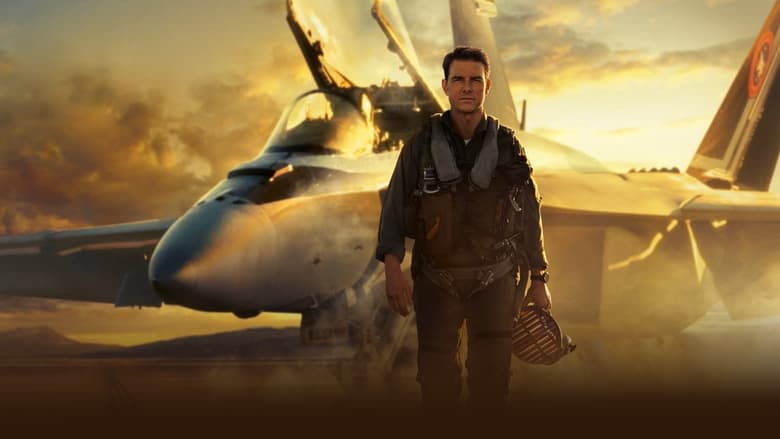
33. Top Gun: Maverick (2022)
 8.2/10 2022 11099
Directed by Joseph Kosinski, Top Gun: Maverick marks Tom Cruise's return to the role of Captain Pete "Maverick" Mitchell after thirty-six years, in a film where an experienced but promotion-refusing pilot is tasked with training a group of young pilots for an extremely risky and technically demanding mission. While preserving the original film's nostalgic elements, the story expands emotionally through Maverick's tense relationship with Rooster (Miles Teller), the son of his old friend Goose. The fact that the flight sequences were shot in real jets with the actors actually sitting in cockpits was the film's most talked-about technical achievement, standing in sharp contrast to CGI-dependent contemporary productions. The raid on the mountain-hidden facility in the final mission is the film's peak both visually and in terms of tension. Kosinski's direction always tied the action to the characters' emotional journeys, taking the film beyond a mere technical spectacle. Top Gun: Maverick received rare unanimous praise from both critics and audiences and achieved great box office success.
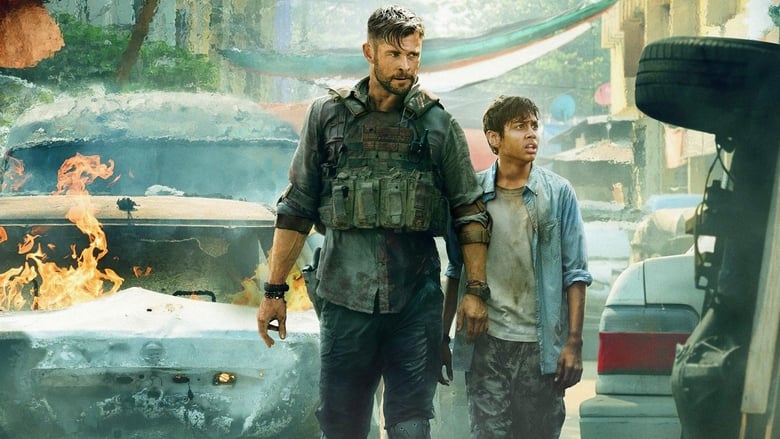
34. Extraction (2020)
 7.3/10 2020 6643
Sam Hargrave, who spent many years as a stuntman and action choreographer, directed his first feature film Extraction, in which mercenary Tyler Rake (played by Chris Hemsworth) is tasked with rescuing a drug lord's kidnapped son from a dangerous area in Bangladesh. The film attracted attention with an approximately twelve-minute action sequence that appears to be shot almost continuously, drawing on Hargrave's technical knowledge from his stunt background. This long-take technique—by implicating the viewer in the character's physical exhaustion and the continuity of danger—creates a different kind of tension from traditional cut-heavy action scenes. Hemsworth's performance reflects not only the character's physical endurance but also the personal trauma he carries, adding an unexpected emotional layer to the film. The city-street chase and bridge battle sequences are among the film's most intense action moments. Extraction reached a vast audience on Netflix, proving that large-scale action films could also succeed on streaming platforms.
35. The Expendables (2010)
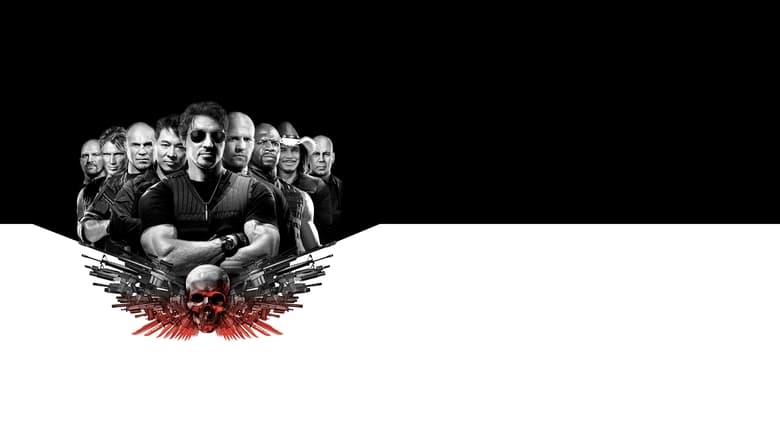 6.3/10 2010 8327
Written, directed by, and starring Sylvester Stallone, The Expendables follows the retired mercenary team led by Barney Ross on a mission to overthrow a ruthless dictator in a Latin American country. The cast bringing together 80s and 90s action icons such as Jason Statham, Jet Li, Dolph Lundgren, Terry Crews, and Randy Couture is the film's biggest draw and gives the genre a nostalgia project identity. Stallone designed the film as a conscious tribute to classic-era action aesthetics. The team's discovery mid-mission that the dictator is actually a puppet controlled by a corrupt former CIA agent adds an extra narrative layer. The film's commercial success led to sequels in subsequent years. The Expendables stands out not for individual star power but for the idea of gathering the action legends of an era on one screen—a watchable and nostalgic action production.