
The Best Drama Films: Masterpieces That Left Their Mark on Cinema History
Drama is the heart of cinema. More than just a genre, it is really the reason cinema exists: to portray the human being. In this list we have gathered the most powerful stories of hope, loss, friendship, injustice and rising back to one's feet. Stretching from Hollywood classics to the modern masterpieces of Korean, Iranian, French and Lebanese cinema, this film list brings together works that earned top marks from critics and have held a place in audiences' hearts for years. Many of them crowned with Oscars, these films share a single thing in common: they keep living inside you long after the credits roll.
1. The Shawshank Redemption (1994)
 8.7/10 1994 30692
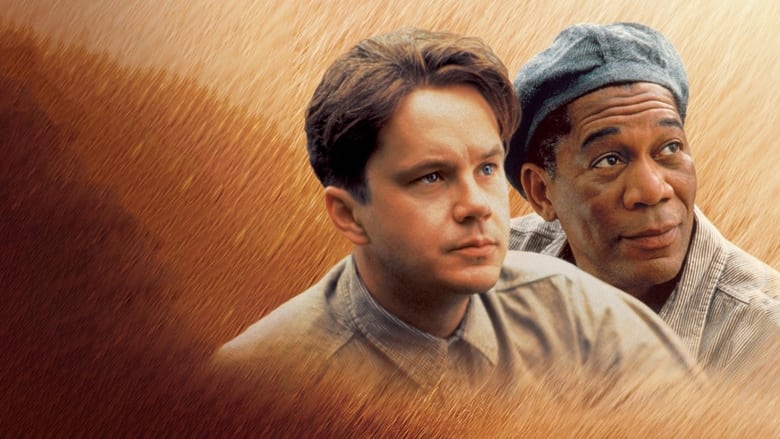
Adapted by Frank Darabont from the novella by Stephen King, the film has sat at number one on IMDb's all-time list for years — yet, curiously, it flopped at the box office when it was released. Sentenced to life for a murder he did not commit, banker Andy Dufresne (Tim Robbins) spends twenty years in Shawshank Prison, and we watch it all through the eyes of Red (Morgan Freeman), the prison's "man who can get you anything." Freeman's narration is considered one of the most iconic voice-overs in cinema history. Nominated for 7 Oscars and winning none, the film earned its justice over the years from audiences, spreading by word of mouth to become a cult classic. It is the first title that comes to mind when someone says "the most beautiful film ever made about hope"; the line "Hope is a good thing, maybe the best of things" did not become legendary for nothing.
2. Forrest Gump (1994)
 8.5/10 1994 29914
Directed by Robert Zemeckis, the film earned Tom Hanks his second Oscar in a row — a feat very few actors in cinema history have managed. We watch thirty years of American history through the eyes of the low-IQ but golden-hearted Forrest: the Vietnam War, Watergate, Elvis, John Lennon... With the era's groundbreaking visual effects, Zemeckis placed Hanks into real archival footage, putting Forrest right in the middle of history. Lieutenant Dan, played by Gary Sinise, and Robin Wright's Jenny complete the film's emotional backbone. Winning 6 Oscars in total, the film etched itself into pop culture with the line "Life is like a box of chocolates." A modern fable about the power of pure goodness, revealing a new layer with every viewing.
3. The Green Mile (1999)
 8.5/10 1999 19393
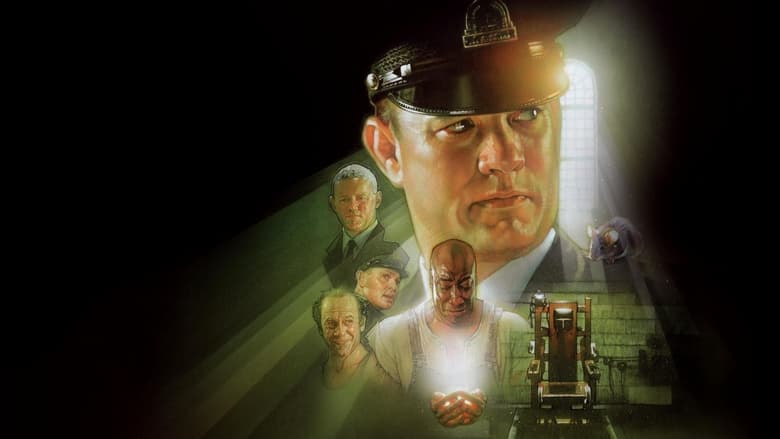
Five years after The Shawshank Redemption, Frank Darabont returned with another Stephen King adaptation, once again a prison story — and once again delivered an unforgettable film. Set on a death row in 1935, the story tells of the bond between the giant-bodied but child-souled John Coffey, accused of murdering two little girls, and guard Paul Edgecomb (Tom Hanks). Playing Coffey, Michael Clarke Duncan earned an Oscar nomination and delivered the performance of his career. Despite its supernatural touches, the film is at its core a shattering drama about innocence, conscience and the justice system. Never sagging for a moment despite its three-hour running time, it is famous for reducing even the toughest viewer to tears with its finale. Perhaps the number-one entry in the "cannot be watched without tissues" category.
4. Schindler's List (1993)
 8.6/10 1993 17576
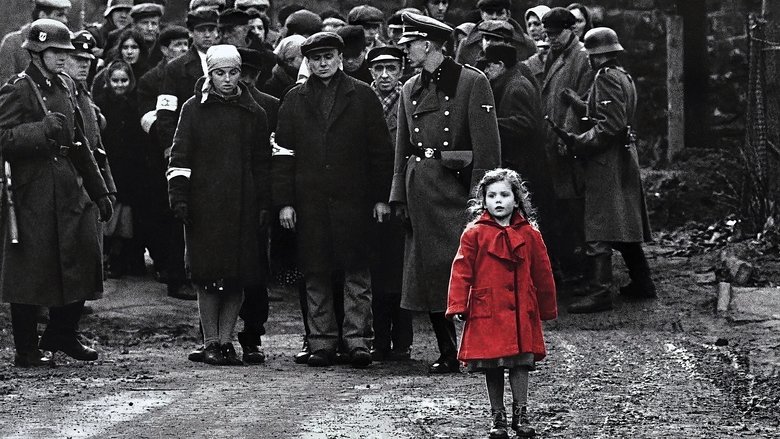
The peak of Steven Spielberg's career and one of the most important films in cinema history. The true story of German businessman Oskar Schindler, who saved more than 1,100 Jews from the Holocaust by employing them in his factory during World War II. Facing Schindler, played by Liam Neeson, is camp commandant Amon Göth, brought to life by Ralph Fiennes — one of the most terrifying real villains in cinema history; while Ben Kingsley's accountant Itzhak Stern is the film's silent conscience. Spielberg shot the film in black and white and turned its single splash of color — the little girl in the red coat — into one of the most powerful visual metaphors in cinema history. The director took no money from the film; he transferred his earnings to the Shoah Foundation, which records the testimonies of Holocaust survivors. Winning 7 Oscars, the film carved the sentence "Whoever saves one life saves the world entire" onto the screen.
5. The Pianist (2002)
 8.4/10 2002 10193
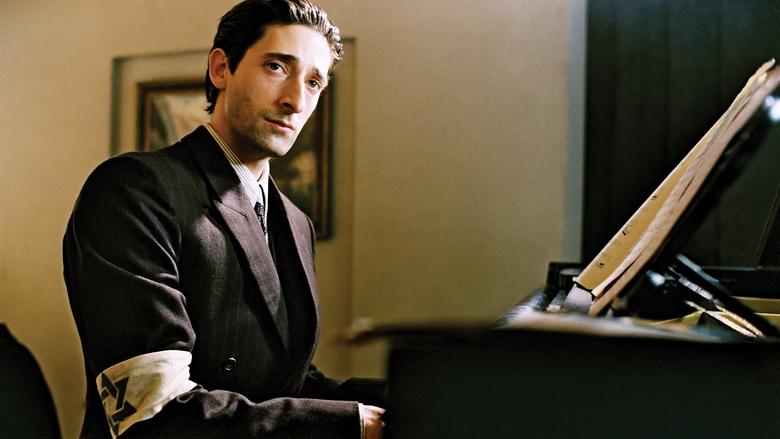
Directed by Roman Polanski, the film is the true story of Polish Jewish pianist Władysław Szpilman's struggle to survive the Warsaw Ghetto — and an intensely personal work for Polanski, whose own childhood was spent in the Kraków Ghetto. Adrien Brody lost weight for the role, sold his apartment and car, switched off his phone and practiced the piano for months; in return he made history as the youngest ever winner of the Best Actor Oscar, at 29. The film shows the war not from the front but through the eyes of a single man, from the windows of the ruined buildings where he hides. That piano scene before the German officer is one of those moments where music is the last word on humanity. Winner of the Palme d'Or at Cannes, the film also brought Polanski the Best Director Oscar.
6. La vita è bella – Life Is Beautiful (1997)
 8.4/10 1997 14059
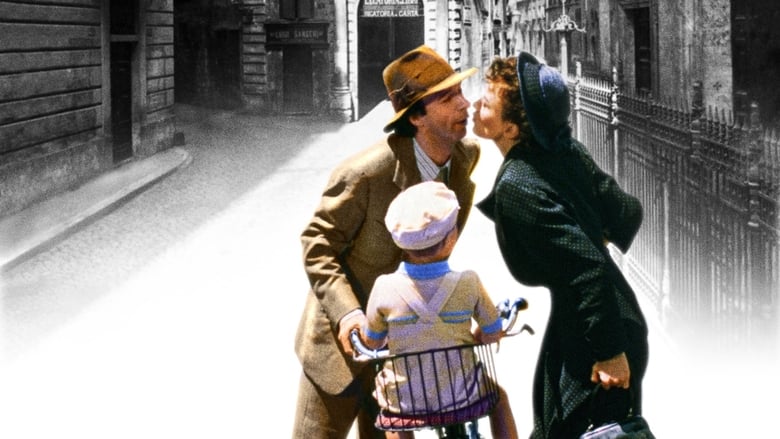
Directed by and starring Roberto Benigni, this Italian masterpiece strikes cinema's boldest balance: it begins like a comedy in the middle of the Holocaust... and then breaks your heart as a drama. When Jewish bookseller Guido is sent to a concentration camp with his wife and little son, he builds an enormous lie to protect his boy from the horror — telling him it is all a big game whose prize is a real tank. The sweetness of the love story in the film's first half is a brilliant choice that makes the weight of the second half bearable. When Benigni won the Best Actor Oscar, he leapt over the seats and ran to the stage, creating one of the most unforgettable moments in Oscar history — the film won 3 Oscars in total. One of the most beautiful films ever made about fatherhood.
7. The Godfather (1972)
 8.7/10 1972 23112
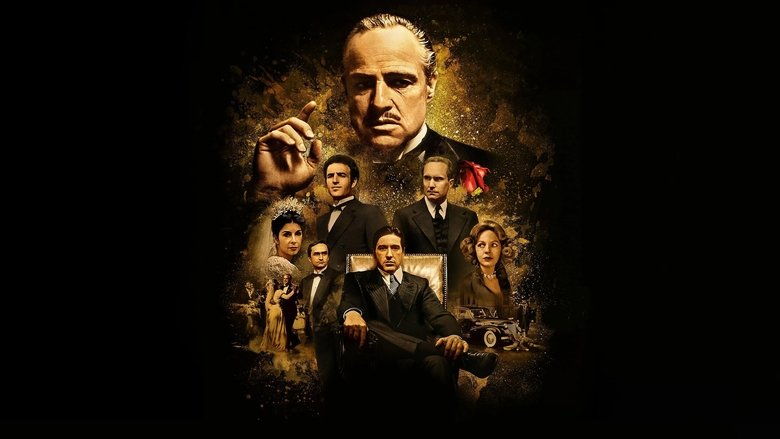
Adapted by Francis Ford Coppola from Mario Puzo's novel, the film is one of the summits not only of crime cinema but of all cinema history. It follows the empire of Corleone family head Don Vito (Marlon Brando) and the step-by-step downfall of war-hero youngest son Michael (Al Pacino) as he tries to stay away from the family business. At its core the film is not a mafia story; it is a Shakespearean tragedy about family, loyalty, power and a man losing his soul. The Don Vito that Brando created with his cotton-stuffed cheeks became the most imitated character in cinema history — the actor refused the Oscar he won in protest of Hollywood's portrayal of Native Americans. A film for which the studio initially wanted neither Brando nor Pacino, it won 3 Oscars and introduced the phrase "an offer he can't refuse" into the world's vocabulary.
8. One Flew Over the Cuckoo's Nest (1975)
 8.4/10 1975 11524
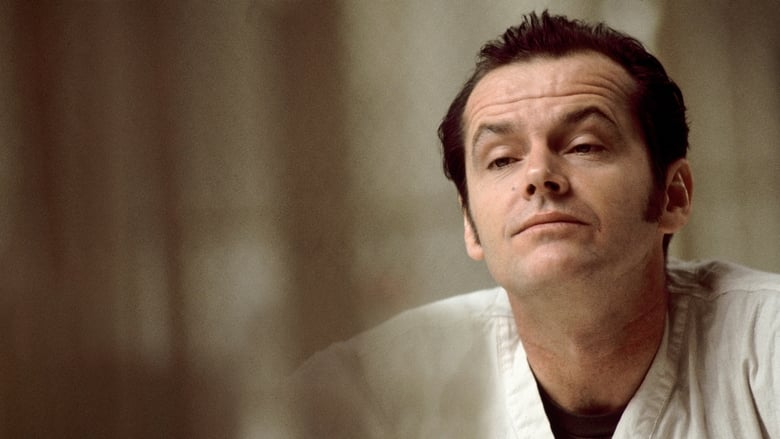
Adapted by Miloš Forman from Ken Kesey's novel, the film is one of only three ever to win the "Big Five" at the Oscars (picture, director, actor, actress, screenplay). Faking insanity to get out of prison and committed to a mental hospital, McMurphy (Jack Nicholson) launches a rebellion for freedom against the mechanical order of the ward's iron-fisted Nurse Ratched (Louise Fletcher). Nicholson's most iconic performance, and the Ratched that Fletcher played with icy calm, is considered one of the greatest villains in cinema history. Forman shot the film in a real Oregon mental hospital; the hospital's director appeared in the film himself, and some real patients were used as extras. A story of rebellion about how the system grinds down the individual, that has lost none of its power.
9. American History X (1998)
 8.3/10 1998 12651
Directed by Tony Kaye, the film is one of cinema's harshest statements on how hatred is learned and how hard it is to let go of. The transformation neo-Nazi leader Derek Vinyard undergoes in prison, and his effort to pull his little brother (Edward Furlong) out of the same swamp once he is released, is told interwoven with black-and-white flashback scenes. Edward Norton earned an Oscar nomination with the physical transformation of gaining 30 pounds of muscle for the role and his terrifying charisma — his appearance in the basketball scene and that infamous curb scene are seared into cinematic memory. Though the fight between the director and the studio over the film's edit went down in cinema history, the result is undeniably powerful. Summed up by the line "Hate is baggage," the film is one of those works that every generation should watch anew.
10. Good Will Hunting (1997)
 8.2/10 1997 13943
Directed by Gus Van Sant, the film turned into a Hollywood fairy tale when its two friends — then still in their twenties — Matt Damon and Ben Affleck won the Best Original Screenplay Oscar for the script they wrote together. Working as a janitor at MIT, math genius Will Hunting begins to open the doors he has shut on the world only thanks to therapist Sean Maguire (Robin Williams). Williams won the only Oscar of his career with his supporting role in this film; his monologue on the park bench and the "It's not your fault" scene are among the most touching moments in cinema history. In some scenes Williams improvised, and Damon's laughter is completely real — the crew behind the camera could barely finish the scene for laughing. The story not of genius, but of allowing oneself to be loved.
11. Dead Poets Society (1989)
 8.3/10 1989 12688
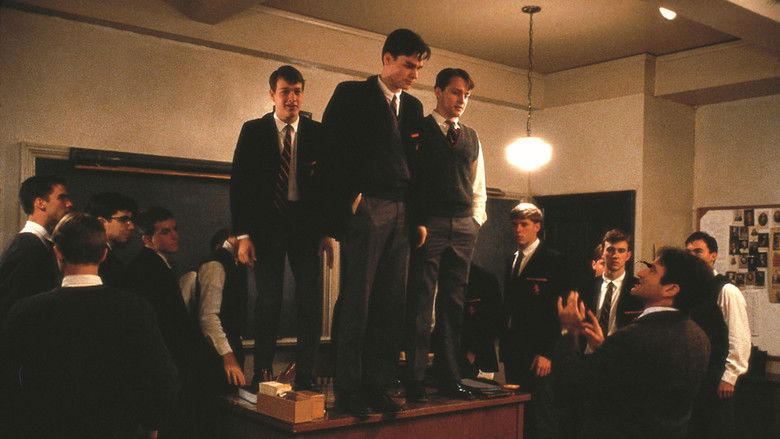
Directed by Peter Weir, the film tells the story of literature teacher John Keating, who arrives at a strict all-boys boarding school and teaches his students poetry and how to find their own voices. Leaving behind his comedian identity to prove his dramatic depth, Robin Williams earned an Oscar nomination for the film. "Carpe Diem — seize the day" and "O Captain, My Captain" turned into life mottos around the world thanks to this film; the scene of standing on the desks is one of the most quoted finales in cinema history. With a young Ethan Hawke and Robert Sean Leonard in the cast, the film won the Best Original Screenplay Oscar. A work that shows education is not memorization but inspiration, it is still the first name that comes to mind when teacher films are mentioned, despite all the years that have passed.
12. A Beautiful Mind (2001)
 7.9/10 2001 11138
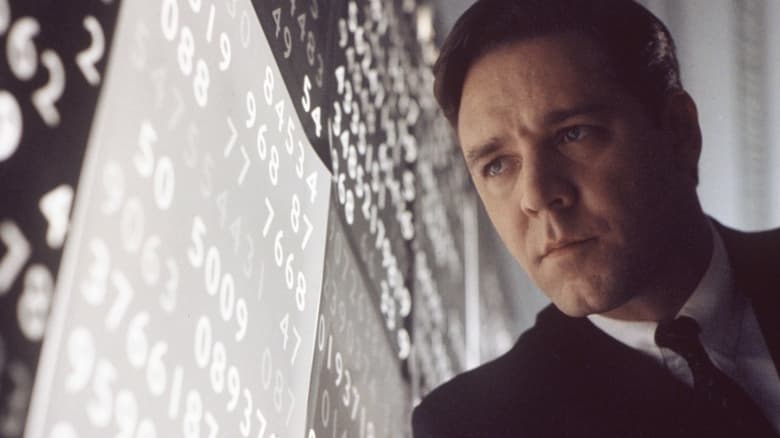
Directed by Ron Howard, the film was adapted from the true story of mathematician John Nash, who won a Nobel for his contributions to game theory. As the career of Princeton's brilliant but reclusive genius Nash rises, his mind begins to play one of the most striking games in cinema history — that break in the middle of the film is still a great shock for first-time viewers. While Russell Crowe's performance carrying Nash from youth to old age drew great praise, his wife Alicia, played by Jennifer Connelly, won the Best Supporting Actress Oscar. The film took 4 Oscars, including Best Picture and Best Director. Telling of life with mental illness without romanticizing it yet without abandoning hope, the film is remembered for its finale built on "the equations not of logic but of the heart."
13. The Pursuit of Happyness (2006)
 7.9/10 2006 10651
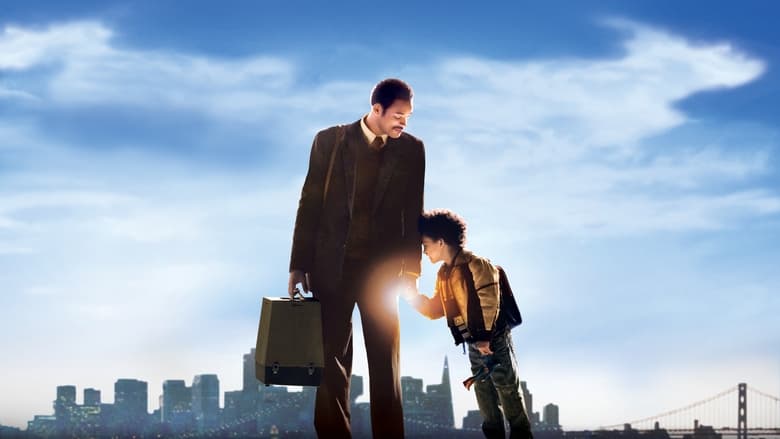
Directed by Gabriele Muccino, the film is the true story of stockbroker Chris Gardner, who managed to hold on to life together with his little son despite becoming homeless in 1980s San Francisco. The most special aspect of Will Smith's Oscar-nominated performance is that his son in the film is played by his real son Jaden Smith — which is why the chemistry between father and son is so genuine. That night spent in a restroom is etched in memory as one of the most heart-wrenching scenes in cinema history. The real Chris Gardner appears on screen in a brief cameo at the end of the film. The story stretching from an unpaid internship to a million-dollar company is among both the cruelest and most hopeful tellings of the American Dream; the line "If you have a dream, you have to protect it" has not come down from motivation walls for years.
14. Million Dollar Baby (2004)
 8.0/10 2004 10405
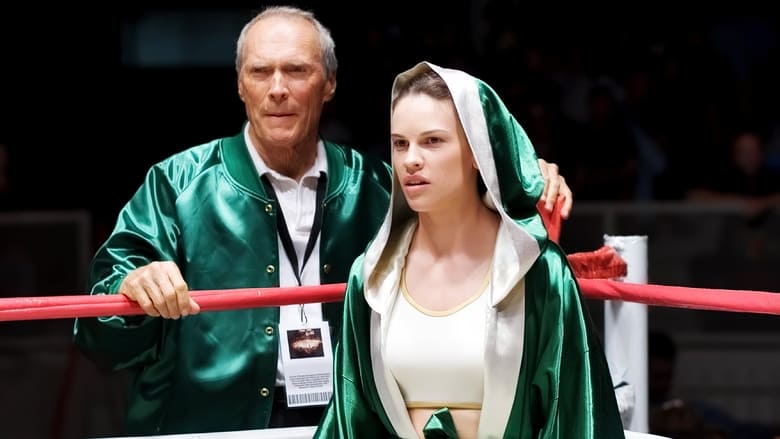
Directed by and starring Clint Eastwood, the film begins like a boxing movie but evolves into something entirely different, catching the viewer off guard as a drama. With nothing left to lose in life, 31-year-old waitress Maggie Fitzgerald wears down the door of cantankerous trainer Frankie Dunn until she gets herself accepted into the ring. Hilary Swank gained serious muscle mass by training in boxing and weights for months for the role and took her second Oscar; Morgan Freeman, playing the gym's old-timer Scrap, won the first Oscar of his career with this film. Taking 4 Oscars including Best Picture and Best Director, the film turns from a boxing movie into an existential drama in its second half with the heavy questions it asks. The moment you learn the meaning of "Mo cuishle" is the moment you will never forget the film.
15. Whiplash (2014)
 8.4/10 2014 16736
Written by Damien Chazelle drawing on his own conservatory experience, the film is a psychological duel about what can be sacrificed for the sake of perfection. Young jazz drummer Andrew Neiman joins the orchestra of legendary teacher Terence Fletcher, who pushes his students to their limits with psychological terror at the country's most prestigious music school. J.K. Simmons's terrifying Fletcher performance, identified with the line "Not quite my tempo," earned him the Best Supporting Actor Oscar. Miles Teller really played the drums in most of the scenes; his hands really bled. Shot in just 19 days, the film won 3 Oscars. That final drum solo is one of the most tense and satisfying closings in cinema history — leaving the question "greatness or happiness?" unanswered.
16. 12 Years a Slave (2013)
 7.9/10 2013 12042
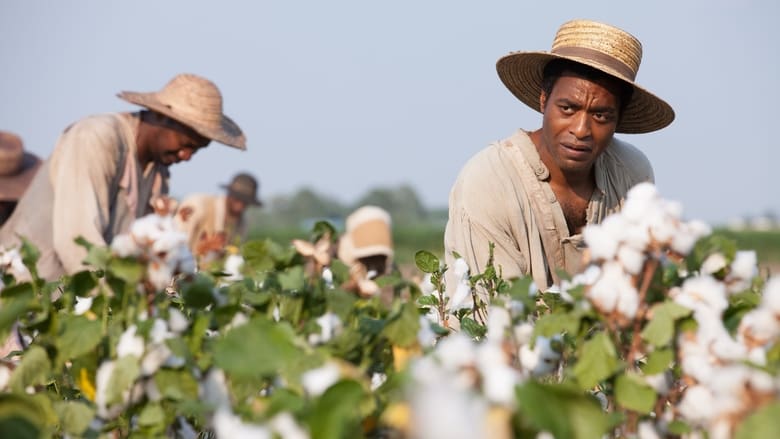
Directed by Steve McQueen, the film is based on the true memoir, written in his own hand, of Solomon Northup, a free man kidnapped and sold into slavery in 1841. Solomon (Chiwetel Ejiofor), a violinist living with his family in New York, waking up one morning in chains and trying to survive for 12 years by burying his identity within himself, is considered the most honest film ever made about slavery. The plantation owner Epps, played by Michael Fassbender, is the human face of horror; and Lupita Nyong'o, in the role of young slave Patsey, won the Best Supporting Actress Oscar with her very first film. McQueen's long takes, shot without cutting, give the viewer no permission to turn away. Winning the Best Picture Oscar, the film opens the pages of history that must be reckoned with, through the power of cinema.
17. The Departed (2006)
 8.2/10 2006 16293
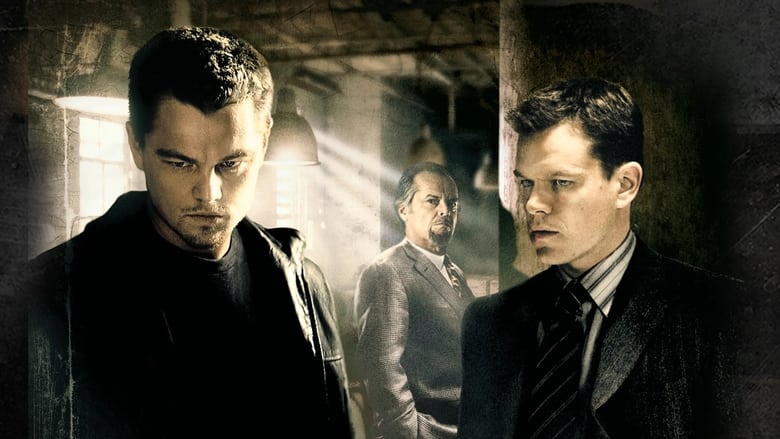
The film that finally brought Martin Scorsese the first Best Director Oscar of his career — and with 4 Oscars including Best Picture. An adaptation of the Hong Kong production Infernal Affairs, the story tells of a mafia mole who has infiltrated the Boston police (Matt Damon) and a police informant who has infiltrated the mafia (Leonardo DiCaprio) searching for one another. The mafia boss Frank Costello, played by Jack Nicholson, became the last great villain of the actor's career; Mark Wahlberg also earned an Oscar nomination for his sharp-tongued detective role. When Scorsese's pace combines with themes of betrayal and identity, the result is a drama far deeper than crime cinema, one that asks "what determines who we are?" Those who have seen the elevator scene know: in this film, no one is safe.
18. There Will Be Blood (2007)
 8.1/10 2007 7506
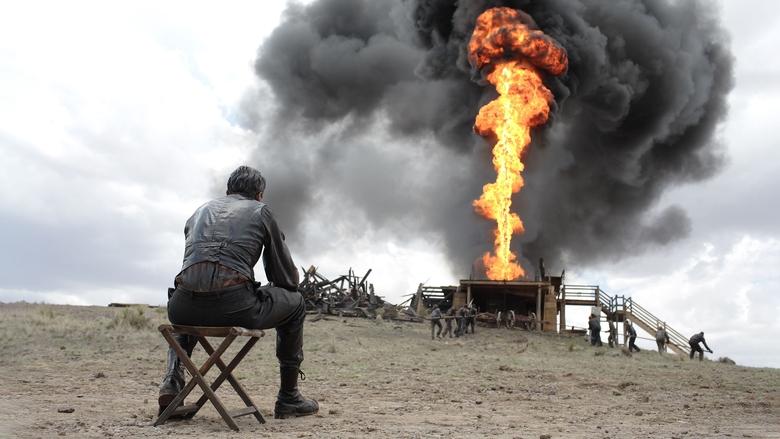
Freely adapted by Paul Thomas Anderson from Upton Sinclair's novel "Oil!", the film is a dark epic that tells the birth of American capitalism through the ambition of a single man. The oil man Daniel Plainview, played by Daniel Day-Lewis, is one of the most mesmerizing and most terrifying characters in cinema history — the actor won his second Oscar with this performance, considered the peak of method acting. His power struggle with the young preacher Eli, played by Paul Dano, is an allegory of the age-old reckoning between religion and money. Radiohead's Jonny Greenwood's unsettling score carries the tension to an entirely different dimension. The 15-minute dialogue-free opening and the "I drink your milkshake!" finale are among the most talked-about moments of modern cinema.
19. No Country for Old Men (2007)
 8.0/10 2007 13418
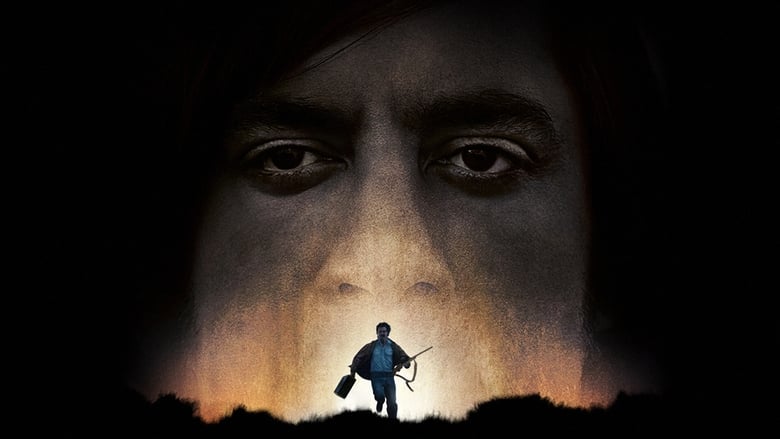
Adapted by the Coen Brothers from Cormac McCarthy's novel, the film is a modern classic that won 4 Oscars including Best Picture. In the Texas desert, hunter Llewelyn Moss (Josh Brolin), finding 2 million dollars in the middle of a drug deal gone wrong, is chased the moment he takes the money by the most terrifying killer in cinema history: Javier Bardem's Anton Chigurh, who won an Oscar and wanders like death itself with that bowl cut and cattle gun. The gas station scene where he makes a man call a coin toss is one of the tensest scenes ever built on a single piece of dialogue. The old sheriff played by Tommy Lee Jones is the voice of a conscience unable to keep up with a changing and meaning-losing world. Using almost no music, the film turns silence into an instrument of tension. A masterpiece debated for years, telling that evil has no logic, with its unanswered finale.
20. Requiem for a Dream (2000)
 8.0/10 2000 11051
Adapted by Darren Aronofsky from Hubert Selby Jr.'s novel, the film is remembered as the most shattering work ever made about addiction and an undisputed member of the "watched once in a lifetime, never forgotten" category. We watch the parallel collapse of four characters in Brooklyn: Harry (Jared Leto), drawn into heroin, his girlfriend Marion (Jennifer Connelly), his friend Tyrone, and his mother Sara, who becomes hooked on diet pills with the dream of appearing on television. The Oscar-nominated performance of Ellen Burstyn, playing Sara Goldfarb, is the film's most heartbreaking layer. With Aronofsky's rapid cuts, split screens and Clint Mansell's "Lux Aeterna" score — later used in countless trailers — the film makes the viewer feel the cycle of addiction in their very body. Not an easy film; but that is exactly where its power comes from.
21. Eternal Sunshine of the Spotless Mind (2004)
 8.1/10 2004 16426
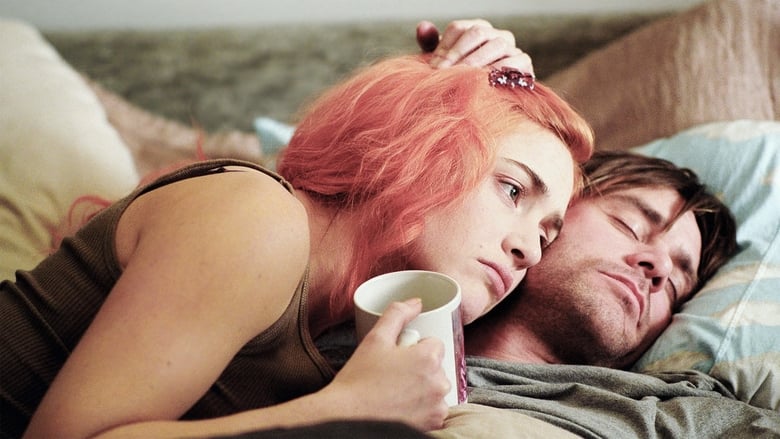
Directed by Michel Gondry, with the Oscar-winning screenplay written by Charlie Kaufman, the film rewrote the rules of the romantic drama. After their break-up, Clementine (Kate Winslet) has all her memories of her ex-boyfriend Joel (Jim Carrey) erased by a company; Joel decides to do the same, but during the procedure, inside his mind, he begins to cling to the memories being erased. Carrey's most introverted performance of his career, with his comedy mask completely removed; and Winslet's Clementine, changing along with her hair color, was crowned with an Oscar nomination. Gondry told the unraveling of the mind through camera tricks and set design rather than digital effects — this choice gives the film a dreamlike texture. One of the most honest films ever made about love, where even those who say "I wish we had never met" end up saying "it was worth it anyway."
22. Her (2013)
 7.8/10 2013 15370
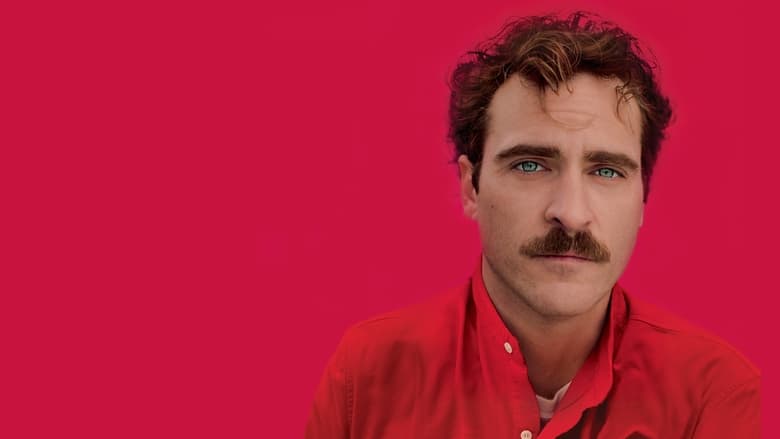
Written and directed by Spike Jonze, who won the Best Original Screenplay Oscar for it, the film is a love story set in the near future — where one of the parties is not human. Going through a divorce, the withdrawn Theodore (Joaquin Phoenix) begins first to chat with, then to fall in love with the operating system Samantha. Bringing Samantha to life with her voice alone, Scarlett Johansson creates one of the fullest characters in cinema history without ever appearing on screen. Jonze's pastel-toned, soft-lit Los Angeles builds a melancholy poem of loneliness rather than a technological dystopia. A story that looked like science fiction in 2013 becomes, in the age of artificial intelligence, less fiction and more mirror with each passing year. About attaching, growing and being able to let go; whatever its genre, the most touching love film of recent years.
23. Manchester by the Sea (2016)
 7.6/10 2016 6436
Written and directed by Kenneth Lonergan, the film is one of those rare works where grief is told as it is, without Hollywood polish. Working as a janitor in Boston and avoiding people, Lee Chandler returns to his hometown with the sudden death of his brother and is forced to take on guardianship of his 16-year-old nephew — but this town is also the stage of the past he could never confront. Casey Affleck's performance, playing a pain buried within that never explodes but constantly seeps out, brought him the Best Actor Oscar; Michelle Williams, in just a few scenes — especially that sidewalk encounter — laid down her weight on the film. Lonergan took his second Oscar for the screenplay. The film rejects the cliché "time heals": some pains do not pass, we only learn to live with them — and it is because it is one of the rare films able to say this that it is so precious.
24. Moonlight (2016)
 7.4/10 2016 7562
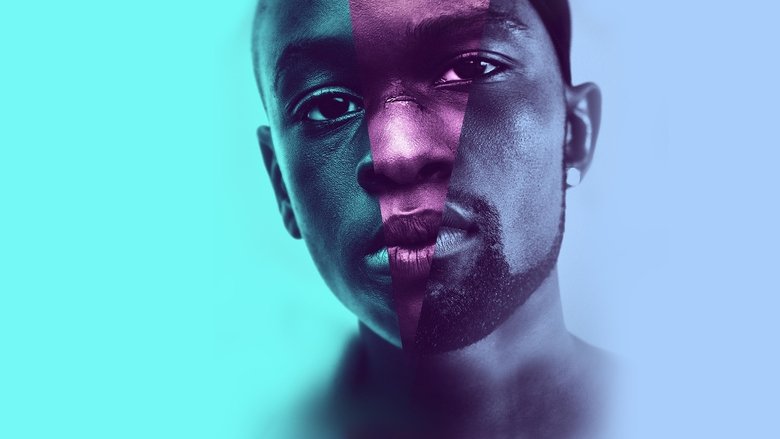
Directed by Barry Jenkins, the film became the subject of the most famous moment in Oscar history: minutes after La La Land was mistakenly announced on stage, it was revealed that the real winner was Moonlight. But it was not this accident that made the film historic; it was the story of identity and acceptance of Chiron, a Black child growing up in Miami's poor neighborhoods, told at three different ages with three different actors. Playing Juan, the drug dealer who acts as a father to Chiron, Mahershala Ali won the Best Supporting Actor Oscar; the swimming-lesson scene at sea is the heart of the film. Shot with a budget of just 1.5 million dollars, the film became one of the lowest-budget productions to win the Best Picture Oscar. A coming-of-age story shot like poetry, speaking through silences, glances and the unspoken.
25. Parasite (2019)
 8.5/10 2019 20822
Bong Joon-ho's film changed cinema history as the first non-English production to win the Best Picture Oscar — and it had already taken the Palme d'Or at Cannes by unanimous jury vote. The poor Kim family, living in a basement, infiltrating the luxurious home of the wealthy Park family one by one begins like a comedy; then the film, shifting genre after genre, turns into a breathtaking slap about the class divide. The whole cast is flawless, led by Bong's regular actor Song Kang-ho; and the house itself is a character in its own right through its architecture — the stairs going up and down carry the film's entire class metaphor. Winning 4 Oscars in total, the film made the world accept the words "once you overcome the one-inch-tall barrier of subtitles, you will be introduced to so many more amazing films."
26. Rain Man (1988)
 7.8/10 1988 7142
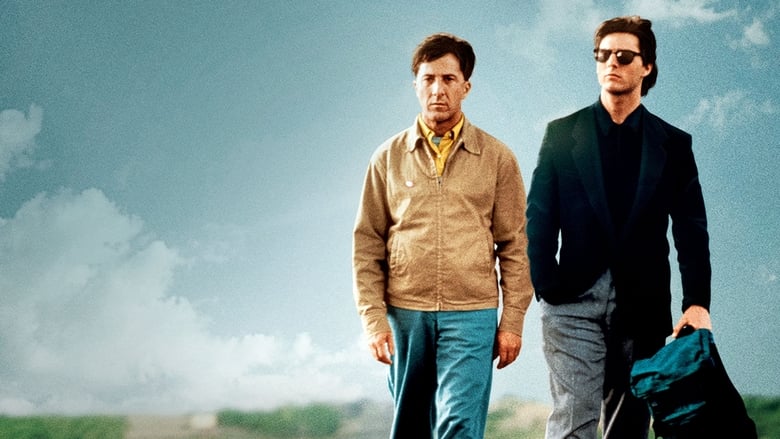
Directed by Barry Levinson and winning 4 Oscars including Best Picture, the film is one of the most beloved works ever made about brotherhood. Learning that his father's inheritance has gone to his autistic savant brother Raymond — a brother he did not even know existed — selfish car dealer Charlie (Tom Cruise) kidnaps Raymond to get the inheritance, and the two set off on a journey across America. Dustin Hoffman won his second Oscar with the role of Raymond, for which he prepared by spending time with autistic individuals and savant-syndrome Kim Peek; the toothpick scene and the line "Ten minutes to Wapner" are seared into memory. Cruise's transformation is the film's hidden hero: it is not Raymond who changes, but Charlie. A lesson of the heart in the mold of a road movie.
27. City of God (2002)
 8.4/10 2002 8246
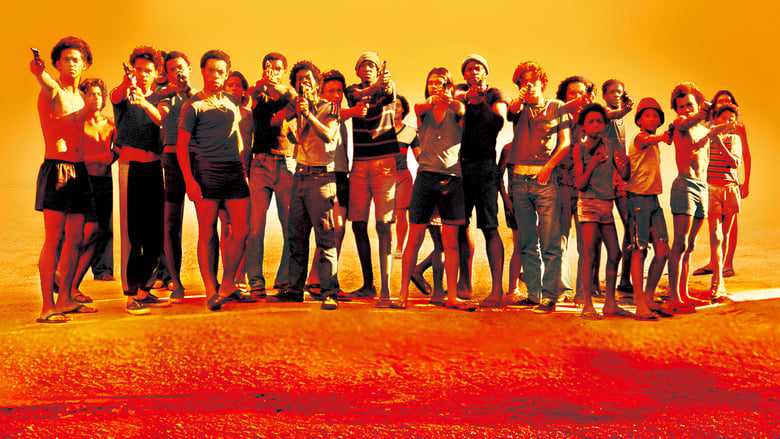
This Brazilian production, directed by Fernando Meirelles (together with Kátia Lund), tells the crime world of Rio de Janeiro's favelas stretching from the 1960s to the 80s, through the eyes of Buscapé, who wants to become a photographer. Adapted from the fact-based novel by Paulo Lins, the film built almost its entire cast from real favela residents, young people with no acting experience — a choice that gave the film a documentary-hard reality. Zé Pequeno, who turns into a killer at a young age, is one of the most terrifying characters in cinema history. Meirelles's energetic camera and editing convey the violence without ever aestheticizing it, but without looking away either. Nominated for 4 Oscars, the film is among the most recommended titles for those wanting to step into world cinema.
28. Amélie (2001)
 7.9/10 2001 12461
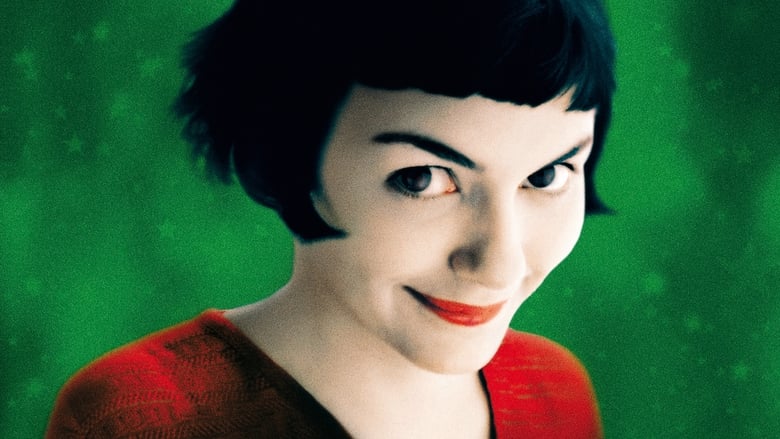
Directed by Jean-Pierre Jeunet, this French modern classic is the most colorful and most optimistic film on the drama list, but beneath its fairy-tale surface it hides a touching story about loneliness. Working as a waitress in Montmartre, the withdrawn Amélie one day decides to secretly beautify the lives of others; the only thing she cannot do is reach for her own happiness. Identified with that famous gaze of Audrey Tautou, the character became the face of French cinema opening to the world. Jeunet's saturated green-red color palette and Yann Tiersen's accordion music turn the film into an atmosphere lived inside rather than merely watched. Nominated for 5 Oscars, the work is a refuge that does every weary period good, as the film that translated the concept of "the happiness of little things" into the language of cinema.
29. The Intouchables (2011)
 8.3/10 2011 18517
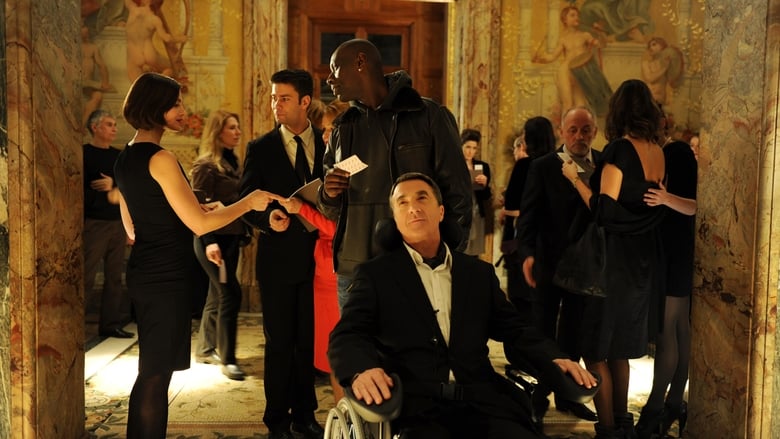
Directed by Olivier Nakache and Éric Toledano, the film became one of the most-watched productions of all time in France and was met with a similar flood of love around the world. As the caregiver of aristocrat Philippe, paralyzed from the neck down in a paragliding accident, the most unlikely candidate is accepted: Driss, who comes from the projects and attends the job interview only for a signature. François Cluzet and Omar Sy's chemistry is the film's engine; with this role Sy made history by being named Best Actor at the César, France's most prestigious award. Adapted from a true friendship (the story of Philippe Pozzo di Borgo), the film broke the genre's molds by telling of disability without pity and without ever dropping its humor. The dance scene accompanied by Earth, Wind & Fire leaves the same smile on the face of everyone who watches it.
30. Cinema Paradiso (1988)
 8.4/10 1988 4867
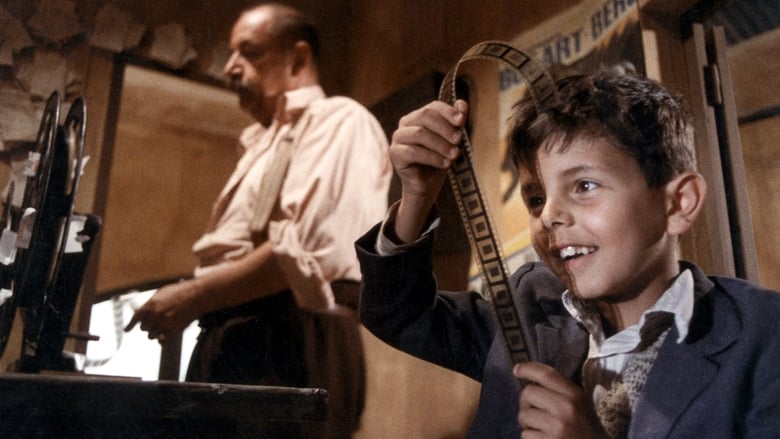
This Italian masterpiece, directed by Giuseppe Tornatore, is the most beautiful love letter ever written to cinema. In post-war Sicily, the movie theater is the only entertainment of a small town, and the father-son bond, lasting a lifetime, formed between projectionist Alfredo and film-loving little Totò. Philippe Noiret's Alfredo is one half of one of the most beloved master-apprentice relationships in cinema history; the other half is Totò, who will grow up to become a famous director. Ennio Morricone's score is among his works where notes turn into tears by the shortest path. The finale of the film, winner of the Best Foreign Language Film Oscar — that montage built from cut kiss scenes — is considered the most emotional closing in cinema history. A film that everyone who wants to remember why they love cinema watches again and again.
31. A Separation (2011)
 7.9/10 2011 1963
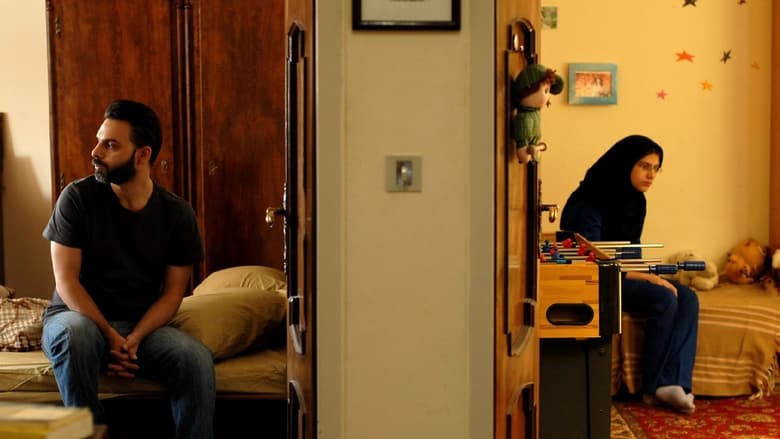
Written and directed by Asghar Farhadi, the film is the work that brought Iranian cinema its first Oscar (Best Foreign Language Film) and has one of the most flawless screenplays of the last twenty years. The story of a couple in the process of divorce (Simin, who wants to move abroad, and Nader, who cannot leave his Alzheimer's-stricken father) turns into a moral labyrinth after an incident with the caregiver hired for the home. Farhadi's mastery lies here: there is not a single villain in the film; everyone is right from their own point of view, and the viewer is forced to switch sides in every scene. Winner of the Golden Bear at the Berlin Film Festival, with its cast also collectively awarded, the film asks universal questions about class, religion, honor and parenthood. A drama that can take your breath away even with a camera that never leaves the courtroom.
32. Capernaum (2018)
 2025
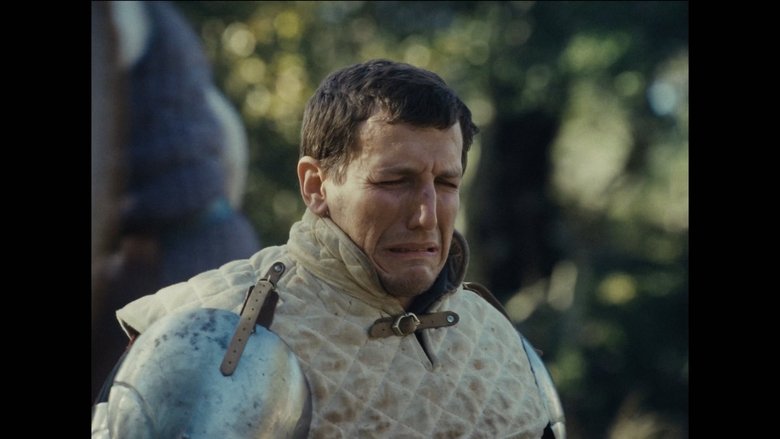
2025Lebanese director Nadine Labaki's film opens with an unforgettable sentence: living in Beirut's poor neighborhoods, 12-year-old Zain has taken his parents to court "for bringing him into the world." Playing Zain, Zain Al Rafeea is not an actor; during filming he was a real Syrian refugee living in Beirut, and his naturalness before the camera was the kind of acting professional actors search for all their lives. Labaki built nearly the entire cast from amateurs living similar lives; the film therefore moves on the line between fiction and documentary, in a shattering reality. Winner of the Jury Prize at Cannes and nominated for an Oscar, the work is the story of undocumented children, of neglect and the cycle of poverty. It is not easy to watch; but it leaves a lasting mark on the way the viewer sees the world.
33. Room (2015)
 8.0/10 2015 9718
The film Lenny Abrahamson shot from the screenplay Emma Donoghue adapted from her own novel, stands apart from its peers with the courage to tell a horrific event through the eyes of love. The story of young woman Joy, held locked in a shed for years, and her 5-year-old son Jack, born there and believing the world consists of that room alone — the film's first half takes place in that room, its second half in a far harder place: outside. Brie Larson won the Best Actress Oscar with this role; but the miracle of the film is the child actor through whose eyes we watch the story, Jacob Tremblay. The escape sequence is one of the most tense and emotional scenes of recent years. The film tells that trauma does not end with "getting out," that the real struggle begins afterward — with one of the purest depictions of the mother-child bond in cinema.
34. Birdman (2014)
 7.4/10 2014 13626
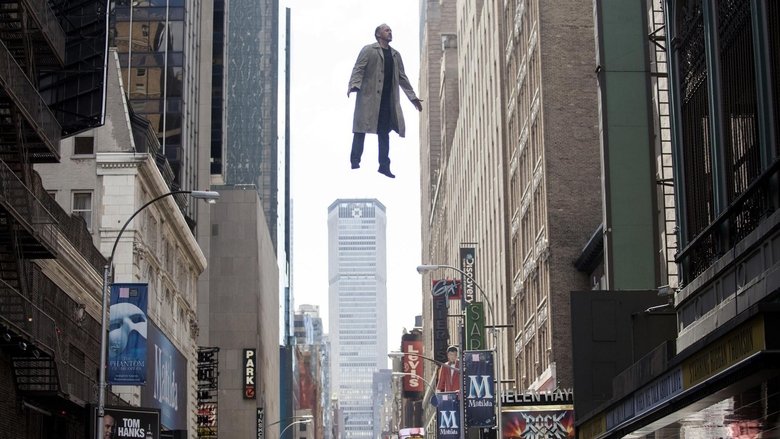
Alejandro G. Iñárritu's film, which won 4 Oscars including Best Picture, is a display of technical courage: through the work of cinematographer Emmanuel Lubezki, the film flows as though it were almost entirely a single unbroken take. The actor Riggan Thomson — who became famous years ago for the superhero role "Birdman" and now chases artistic respectability on Broadway — is played by Michael Keaton, himself an actor who left Batman behind, so the role's resonance with real life adds another layer to the film. Edward Norton's monument-of-ego theater actor and Emma Stone's angry daughter performances were also rewarded with Oscar nominations. The score, consisting only of a drum solo, is like the pulse of the chaos in the character's mind. A drama both funny and merciless about fame, validity and the artist's ego.
35. Nomadland (2020)
 7.2/10 2021 3387
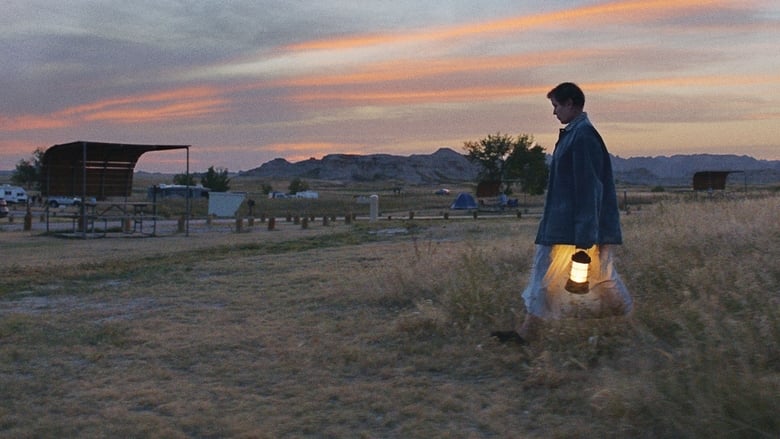
Directed by Chloé Zhao, the film brought her the title of the second woman in Oscar history to win Best Director; the film took Best Picture, and Frances McDormand took her third Best Actress Oscar. With her town wiped off the map in the 2008 crisis, Fern turns her van into a home and joins America's modern nomads — people living on the roads working seasonal jobs. Zhao's boldest choice is building most of the characters besides McDormand by having real nomads play themselves; adapted from Jessica Bruder's journalism book, the film thereby stands in a unique place between fiction and documentary. A quiet meditation on grief, freedom and belonging, accompanied by the boundless landscapes of the American West. A film that says "not goodbye, but I'll see you down the road."
36. The Whale (2022)
 7.8/10 2022 4727
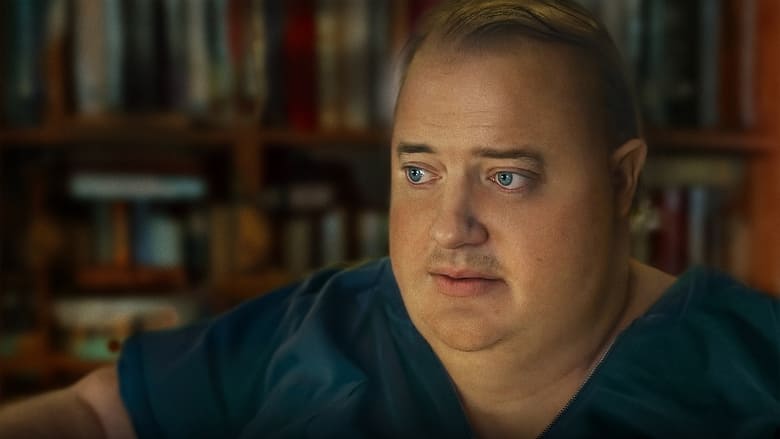
The film Darren Aronofsky adapted from Samuel D. Hunter's stage play became the story of Brendan Fraser's comeback that went down in cinema history: the actor, away from the industry for years, won the Best Actor Oscar with this role, and even the festival moments where he received standing ovations became news in themselves. Unable to leave his home due to his extreme weight, literature teacher Charlie tries in the final days of his life to bond with his angry daughter Ellie (Sadie Sink), whom he abandoned years ago. The prosthetics and make-up work that turned Fraser into Charlie also won an Oscar. Taking place in a single location, almost entirely in an apartment, the film does not hide its theatrical roots — but the kindness in Fraser's eyes turns that apartment into an enormous world. A heart-wrenching drama about forgiveness, honesty and the stubbornness to say "people are amazing."
37. Gran Torino (2008)
 8.0/10 2008 11628
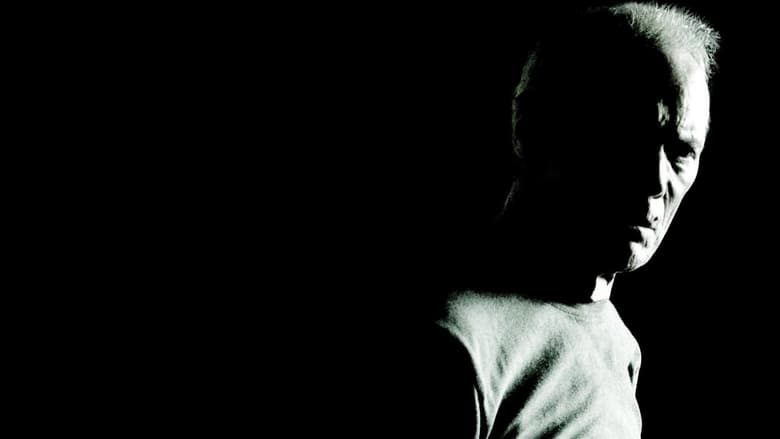
Directed by and starring Clint Eastwood, the film is the actor's most beloved late-career performance. Having just lost his wife, angry at the change in his neighborhood and growling at everyone, Korean War veteran Walt Kowalski's life changes when his neighbors' shy Hmong son Thao tries to steal his 1972 Gran Torino. Eastwood used amateur actors, facing the camera for the first time, in nearly all of the Hmong characters. The film tells the cracking, through love, of a prejudiced man's icy shell without falling into clichés; and without ever leaving out its humor. Its finale is a deliberate answer Eastwood gives to his entire career — that armed-hero image: a closing that reverses the genre's expectation and makes the film unforgettable. A harsh but compassionate drama about generational and cultural conflict.
38. Anatomy of a Fall (2023)
 7.5/10 2023 3345
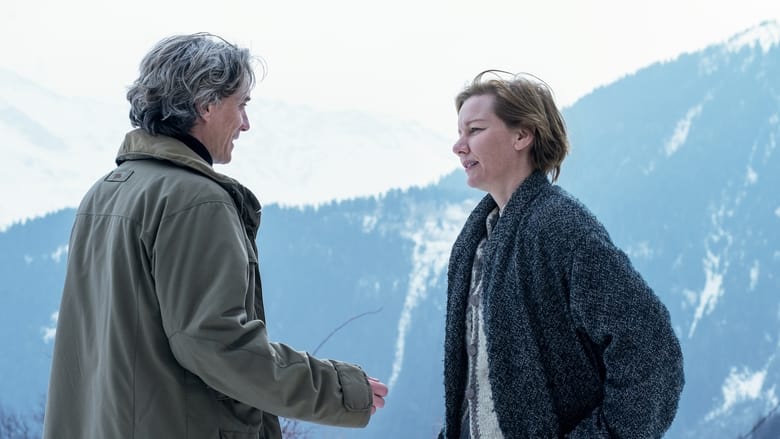
Justine Triet's film, winner of the Palme d'Or at Cannes, is in the mold of a courtroom drama but is really an autopsy of a marriage. A man is found dead in front of a chalet in the French Alps; the only suspect is his writer wife Sandra — and their visually impaired son Daniel is the key witness of the case. German actress Sandra Hüller's Oscar-nominated performance draws the viewer into the film's real game: to the question of guilty or innocent the film never gives an easy answer; it seats us in the jury's chair as well. The screenplay written by Triet and her partner Arthur Harari won an Oscar; the scene where the couple's recorded argument is played is one of the best-written sequences of recent years. Another star of the film is the dog Messi — who won the "Palm Dog" at Cannes and was talked about more than the jury members. A modern masterpiece telling that truth never has just a single version.
Which Film Should You Start With?
- If you want a heavy classic: The Godfather, One Flew Over the Cuckoo's Nest, Schindler's List
- If you are looking for a feel-good drama: The Intouchables, Amélie, Forrest Gump
- If you want to open up to world cinema: Parasite, A Separation, City of God, Capernaum
- If you are ready to cry: The Green Mile, Life Is Beautiful, Cinema Paradiso, The Whale
- If you want something to puzzle your mind: Eternal Sunshine of the Spotless Mind, Anatomy of a Fall, Whiplash
For more film lists and recommendations, keep following DiziFilmAtlas.